2 hr
Akihabara Anime, Manga & Maid Cafe Experience
- Entry ticket
- Mobile voucher
- Valid same day
- Free cancellation
Anime Day Tour Tokyo — Curated Akihabara Experiences
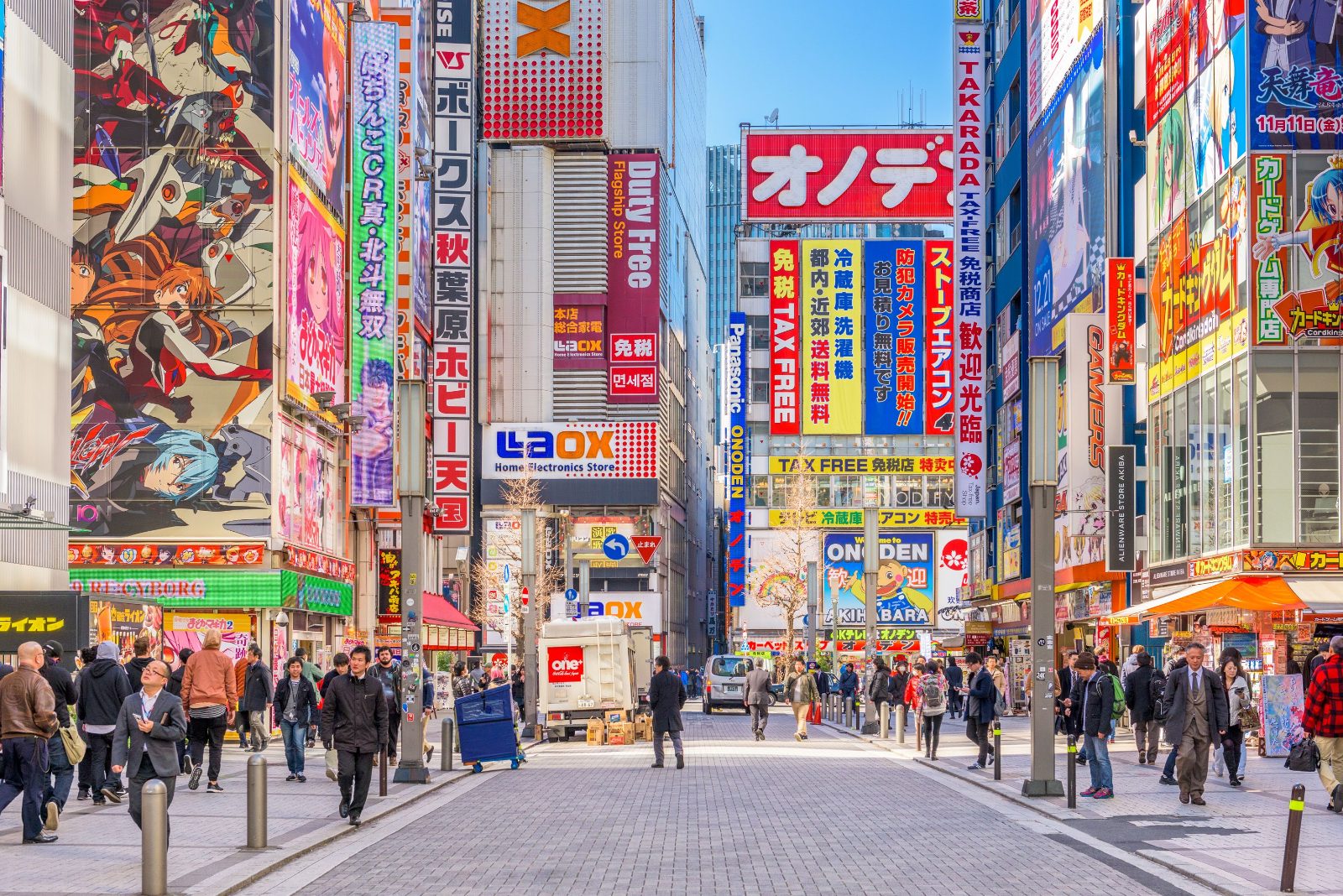
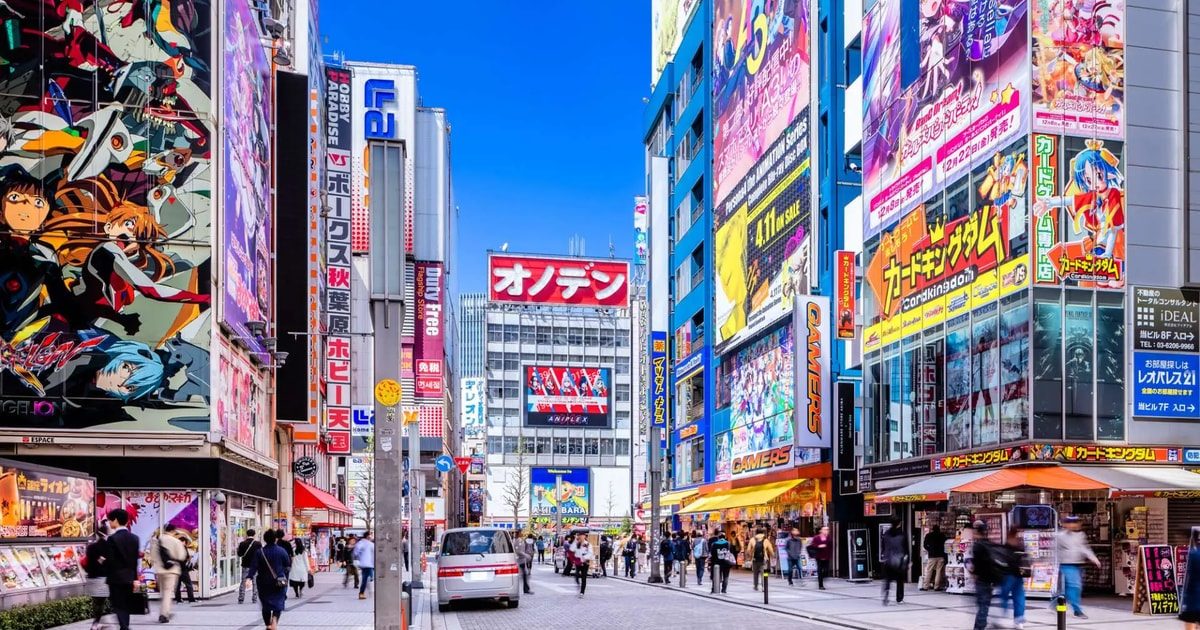
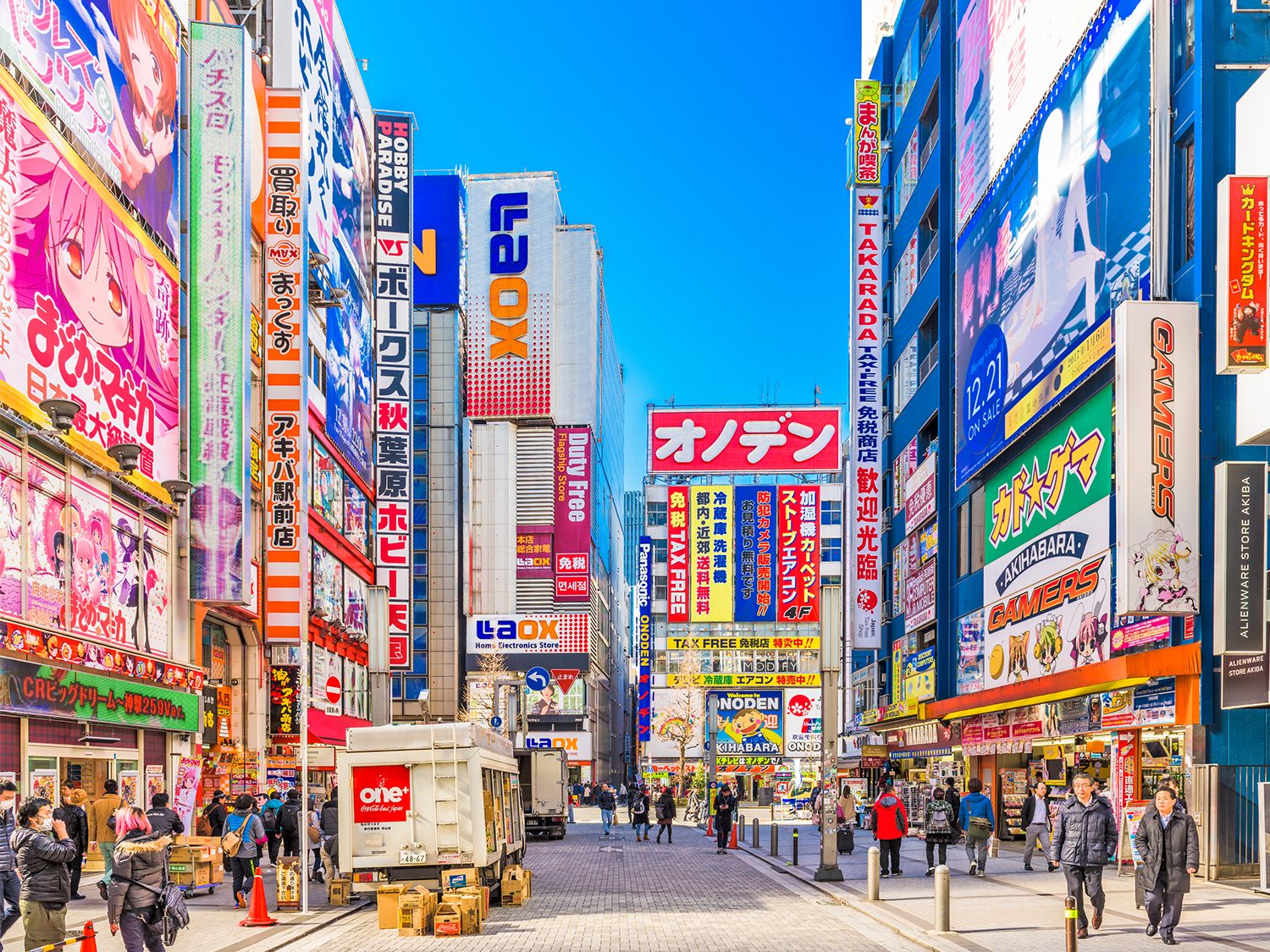
Step into the electric heart of otaku culture, where neon-lit arcades meet manga-lined streets.
Compare fares, pick the fit — all bookings are mobile-voucher and eligible for free cancellation where shown.
2 hr
1 hr 30 min
2 hr
Planning an anime day tour tokyo experience requires navigating the district's open-access streets and specialized retail venues. While the neighborhood itself is free to explore, travelers can choose between self-guided exploration or curated local outings.
|
Top pick Self-Guided Tour Flexible Exploration |
Guided Walking Tour Structured Experience | |
|---|---|---|
| Access Method | Public thoroughfare | Licensed guide |
| Entrance Fee | 0 JPY | Varies by operator |
| Key Features | Unlimited browsing | Themed cafe access |
| Wait Time | None | Pre-booked entries |
| Best for | Independent explorers | First-time visitors |
| See tickets & prices |
Worth it for anime fans and pop culture enthusiasts
An anime day tour tokyo delivers strong value for visitors seeking guided access to Akihabara's dense otaku ecosystem. The district itself charges no entrance fee, but navigating its eight-story electronics shops, themed cafes, and manga retailers without context can feel overwhelming. Structured walking tours—ranging from maid cafe experiences to expert-led shopping expeditions—typically run two to four hours and provide English commentary that unlocks the cultural logic behind figure collecting, doujinshi markets, and arcade culture. For first-time visitors unfamiliar with Japanese retail customs or anime subgenres, these anime day tour tokyo tours eliminate guesswork and maximize the limited time most travelers allocate to Akihabara. Solo explorers comfortable with self-navigation may skip the guided format and simply wander the district's main thoroughfares between Akihabara Station and Chuo-dori, though they'll miss the historical context and insider vendor recommendations that elevate a tour from sightseeing to cultural immersion.
Bottom line: Book an Akihabara tour if you want curated access to otaku culture with expert narration; skip it if you prefer unstructured browsing or already know the district layout.
They complement each other; most visitors who do both call Akihabara the more high-energy choice, while Nakano Broadway serves as the premier destination for deep-dive collecting. An anime day tour tokyo tour provides the expansive retail experience, whereas the indoor mall offers a more curated, vintage-focused atmosphere.
|
Top pick Akihabara |
Nakano Broadway | |
|---|---|---|
| Vibe | High-energy, multi-district streets | Quiet, concentrated indoor mall |
| Inventory Focus | New releases and electronics | Vintage collectibles and rare items |
| Shop Density | High, spread across many blocks | High, contained within four floors |
| Ideal Visitor Profile | Casual fans and tech enthusiasts | Hardcore collectors and nostalgia seekers |
| Retail Style | Street-level storefronts and arcades | Multi-level arcade and specialized boutiques |
| Landmark Status | Major Tokyo pop culture hub | Iconic destination for retro hobbyists |
| See tickets & prices |
Verdict: Choose Akihabara for a fast-paced anime day tour tokyo adventure, or visit Nakano Broadway to secure your anime day tour tokyo tickets for a focused deep-dive into Japanese subculture history.
Hand-picked experiences loved by thousands of travelers
2 hours
Free Cancellation
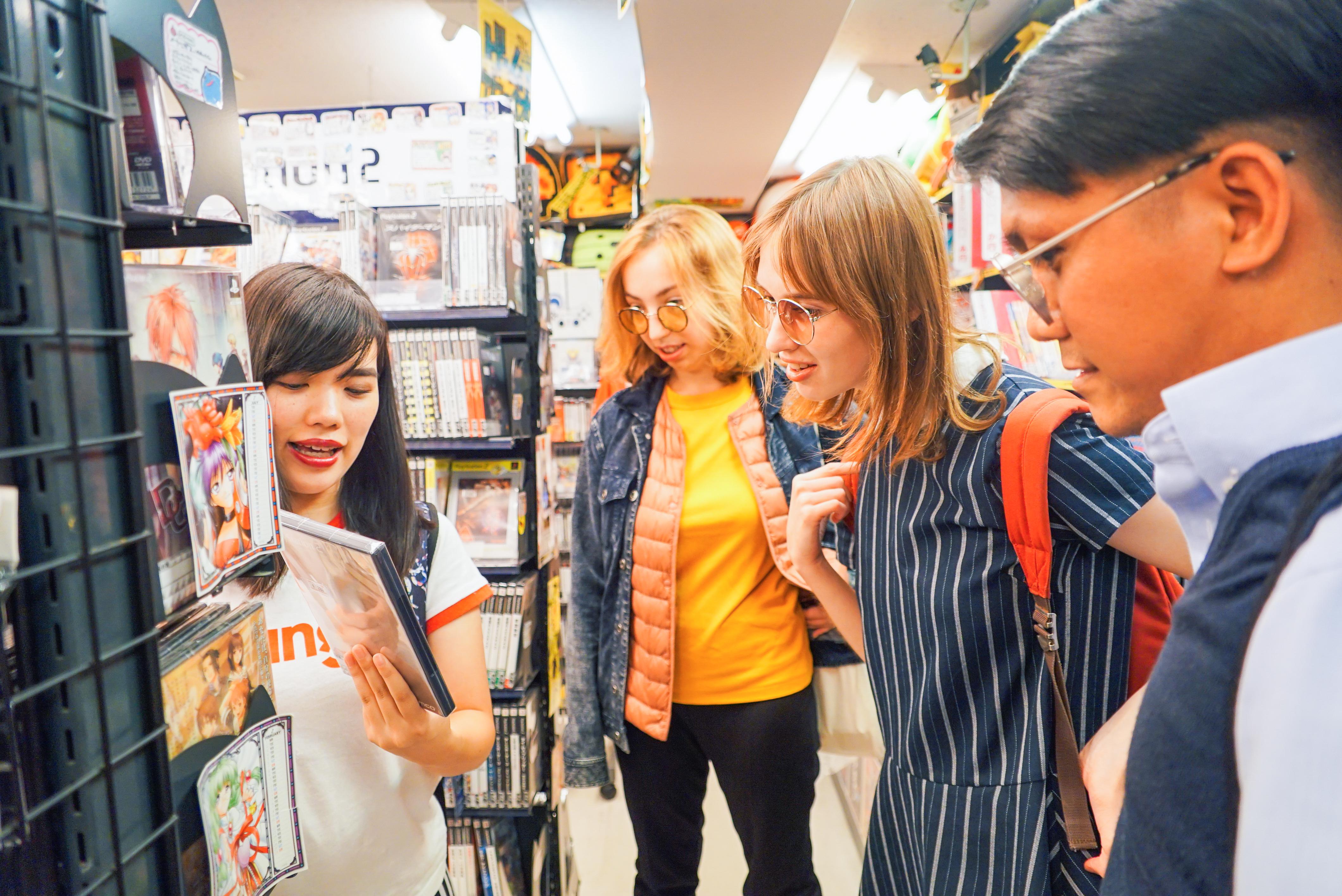
Navigate Tokyo's legendary otaku district with a local guide who knows the best shops for figures, manga, and retro games.
1 hour 30 minutes
Free Cancellation
Navigate Tokyo's electric pop culture district with a local guide who reveals specialist shops and hidden collector havens.
2 hours
Free Cancellation
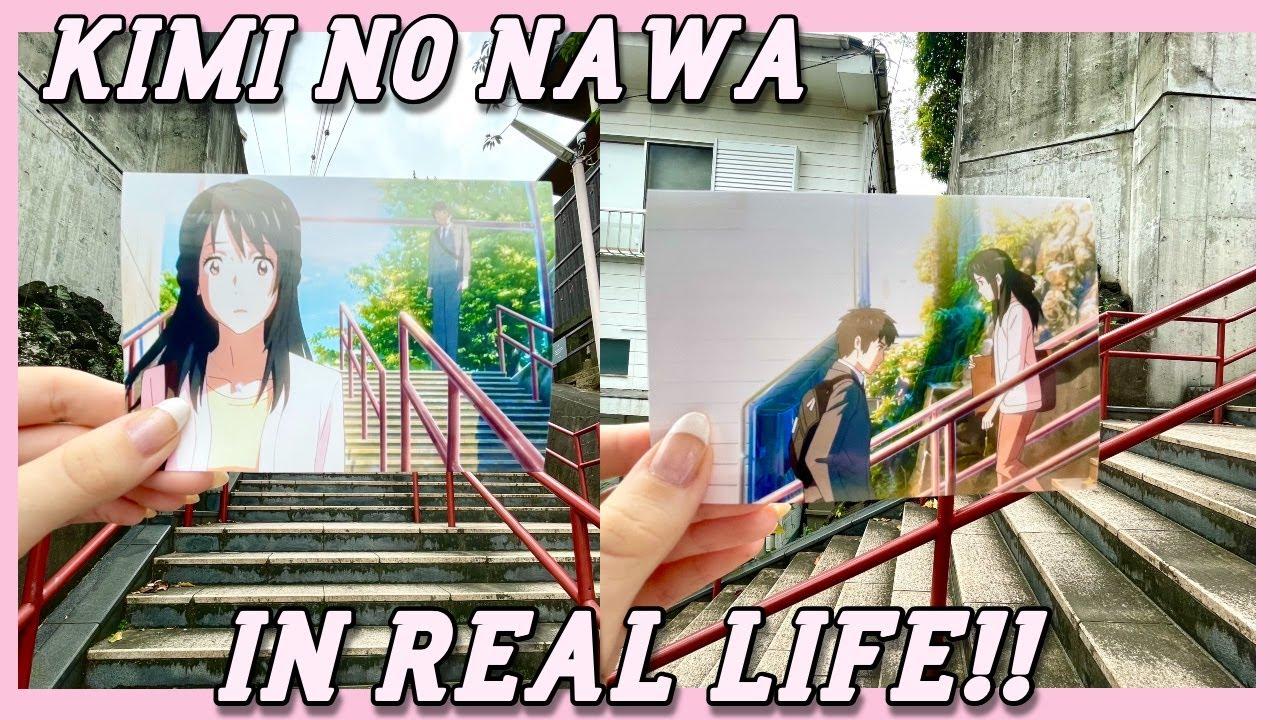
Walk through the real Tokyo settings that inspired beloved anime, with photo ops and local street food.
2 hours
Free Cancellation
Dive into Tokyo's electric otaku district with a local guide who knows every hidden corner and arcade secret.
3 hours
Free Cancellation
Uncover the heart of otaku culture with a local guide through Tokyo's electric district
5 hours
Free Cancellation
Dive into Tokyo's otaku paradise with a local guide through Akihabara's neon streets and Nakano's vintage treasures
1 hour
Free Cancellation
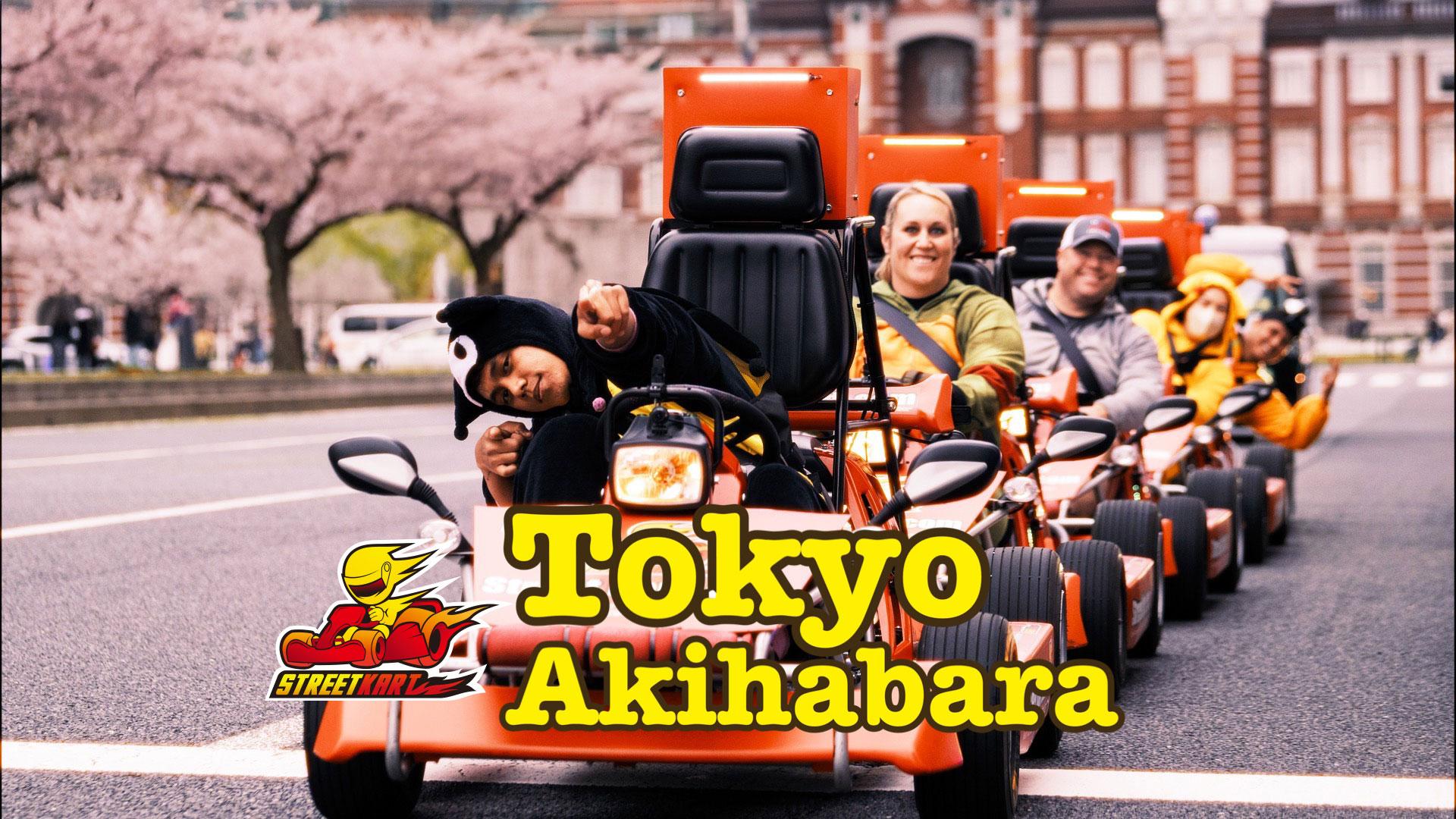
Drive a custom go-kart through Tokyo's iconic districts dressed as your favorite anime or game character.
3 hours
Free Cancellation
Dive into Tokyo's otaku paradise with a local expert who tailors this 3-hour adventure to your interests
Arrive at Akihabara Station for your anime day tour tokyo experience.
Browse multi-level hobby shops and electronics stores.
Experience a lunch stop at a signature themed cafe.
Visit the capsule toy corners before departure.
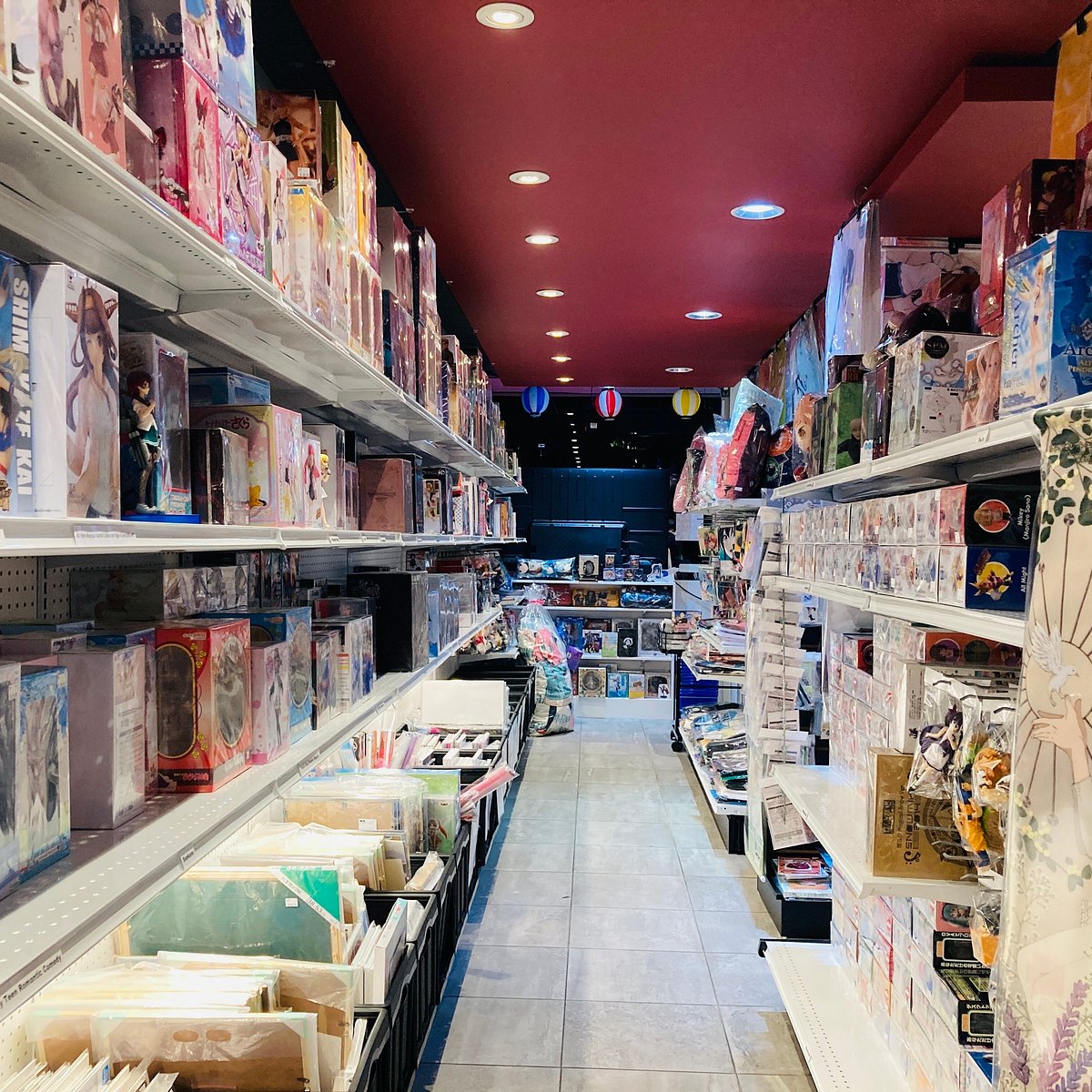
A historic multi-story hobby landmark that has defined the district for decades. It houses over 10 specialized shops featuring figures and trading cards.
A destination for vintage gaming enthusiasts looking for classic consoles. They maintain an extensive library of retro titles.
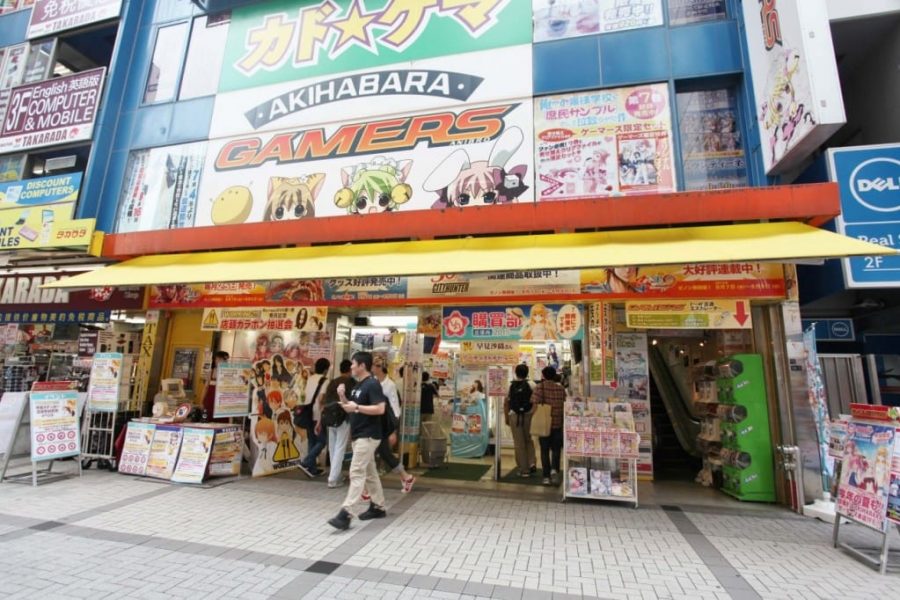
A primary hub for the latest series merchandise and manga collections. It is often the central point for those on an anime day tour tokyo.
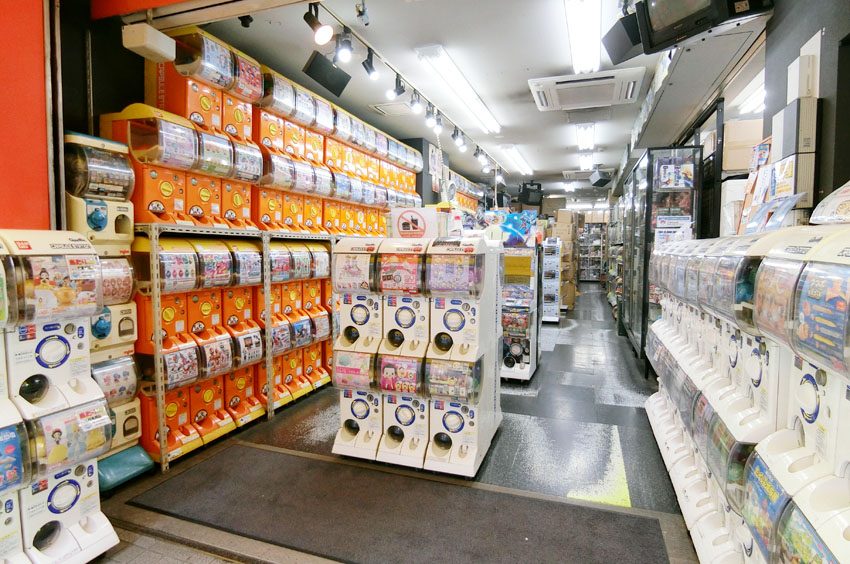
Features hundreds of capsule toy machines offering unique collectibles. It is a popular stop for quick, affordable souvenirs.
Known for its extensive selection of voice-actor related merchandise and anime goods. It serves as a major community landmark.
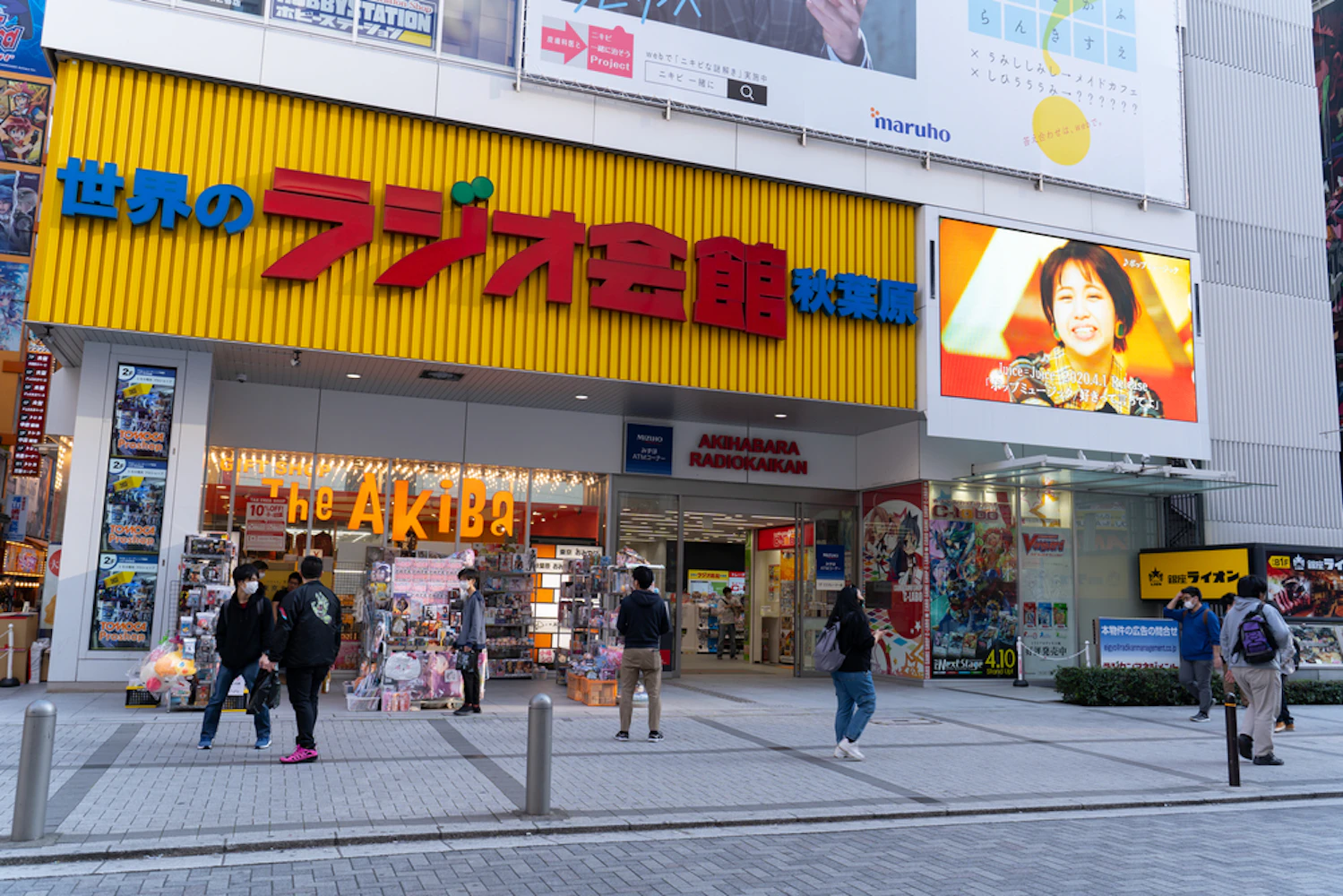
You exit JR Akihabara Station through the Electric Town gate and immediately face Radio Kaikan's red exterior. Your first stop is the third floor, where capsule toy machines line both walls—100-yen coins buy randomized character keychains from 400 available series.
You climb to the seventh floor for limited-edition figurines, then descend to street level and turn north onto Chuo Dori.
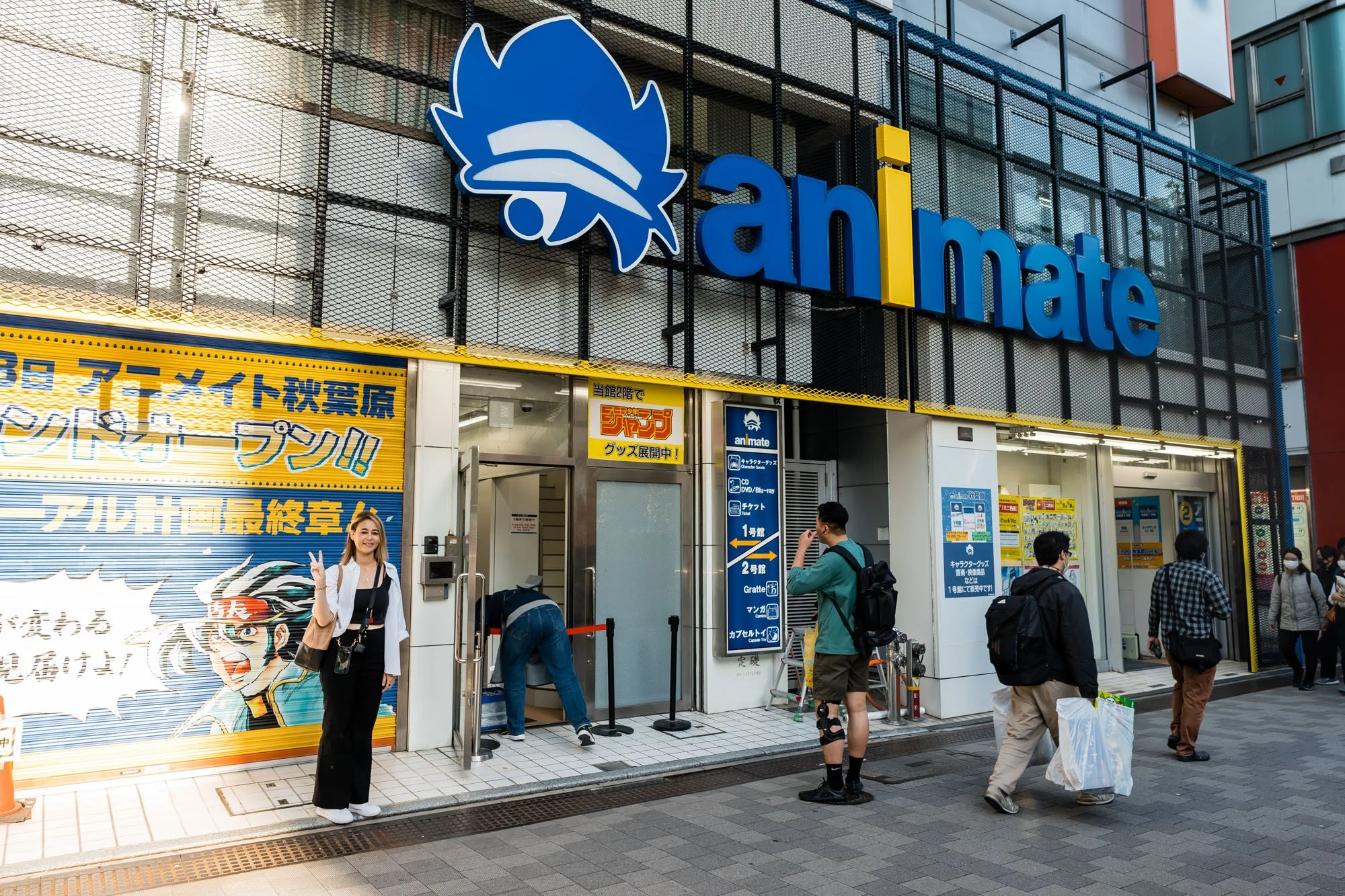
Animate's flagship store rises eight stories ahead. You allocate 40 minutes here: the second floor stocks manga volumes organized by publisher imprint, while the fourth floor dedicates itself to seasonal anime merchandise timed to current broadcast schedules. Your guide (if you've chosen an anime day tour Tokyo package with expert accompaniment) points out collaboration goods available only this month.
You continue to a maid cafe on a fourth-floor walk-up. Reservations secure a 90-minute window. The experience includes a themed drink, a Polaroid photo opportunity, and a brief performance. Afterward, you walk two blocks east to Mandarake Complex, where the basement level houses vintage manga from the 1980s, some priced above ¥50,000 for first-edition volumes. You finish at Yodobashi Camera, browsing the seventh-floor hobby section's model kits and spending final yen on gashapon capsules near the exit.
All the details about your upcoming adventure in one place
Akihabara's transformation from post-war black market electronics hub to the world's densest concentration of anime and manga retail occurred across four decades. By the mid-1980s, Radio Kaikan—a seven-story tower opened in 1962 to house transistor vendors—had begun welcoming figurine shops on its upper floors.
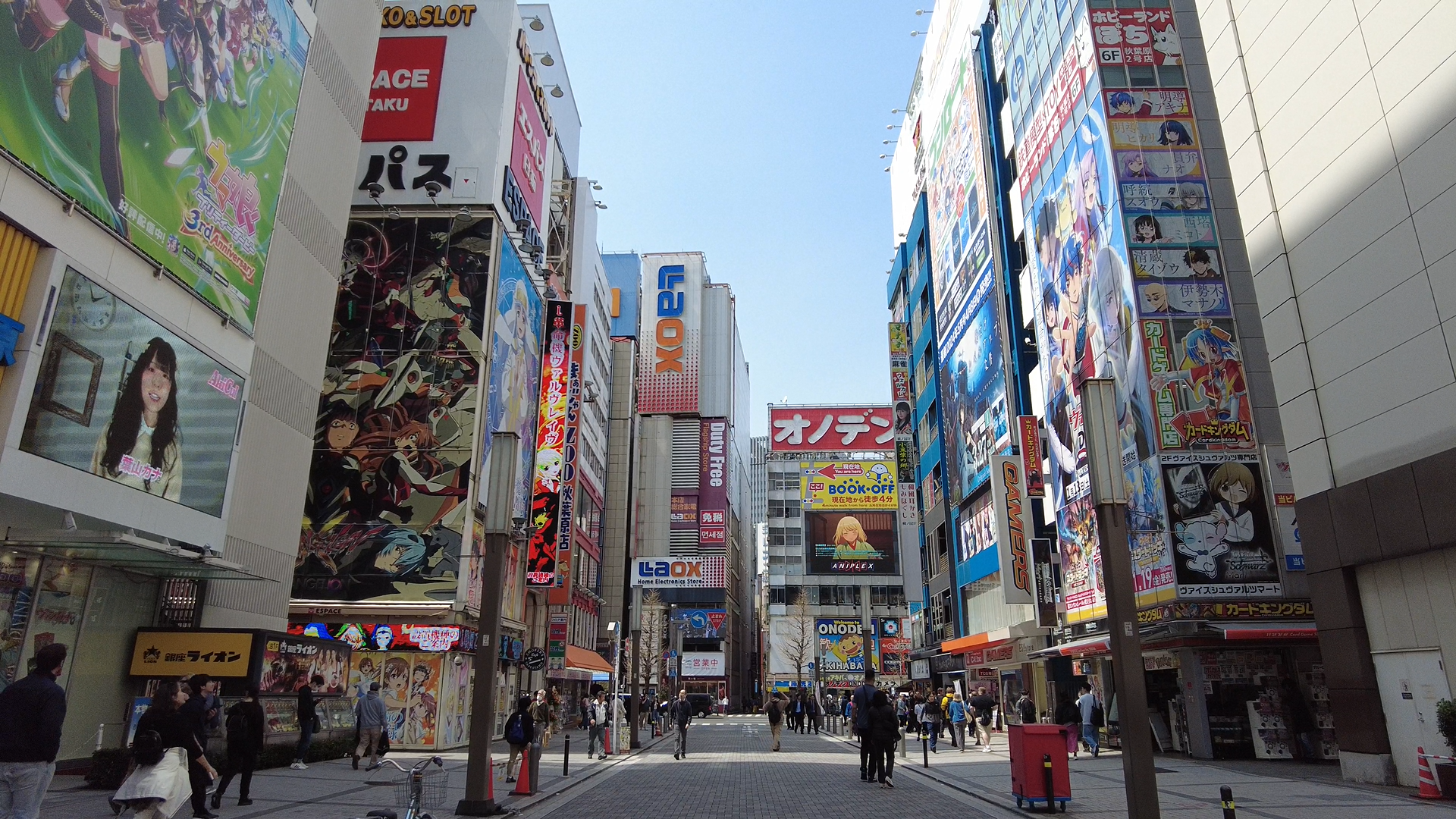
The district's 300-meter Chuo Dori corridor now closes to vehicular traffic every Sunday, creating a pedestrian promenade flanked by ten-story specialty retailers. Each building operates as a vertical mall: basement levels stock vintage manga volumes dating to the 1970s, mid-floors house capsule toy machines dispensing limited-edition character goods, and rooftop arcades feature rhythm games unavailable outside Japan.
Akihabara anchors the global otaku economy. The district generates ¥450 billion annually through merchandise sales, with 40 percent of revenue derived from international visitors. Flagship stores for major publishers—Animate, Gamers, Mandarake—occupy multi-story spaces where entire floors dedicate themselves to single franchises. Themed maid cafes, numbering over 60 establishments within a half-kilometer radius, pioneered the concept of immersive character dining in the late 1990s. These venues operate on reservations during peak hours, particularly weekends between 14:00 and 18:00.
The district's architectural density rewards systematic exploration. Narrow side alleys branch from Chuo Dori, revealing three-story shops specializing in doujinshi (fan-published works), vintage video game cartridges, and idol merchandise. Sofmap's eight interconnected buildings span computer hardware, used electronics, and anime goods under a single corporate umbrella. Yodobashi Camera's nine-story anchor store—opened in 2005—added mainstream consumer electronics to the retail mix. Walking the full commercial loop from JR Akihabara Station's Electric Town Exit to the northern UDX complex and back covers 2.4 kilometers and passes 150 specialized retailers. Guided anime day tour Tokyo options navigate this density efficiently, prioritizing rare goods vendors and limited-access pop-up exhibitions that rotate monthly.

Akihabara's 300-meter Chuo Dori closes every Sunday, transforming into a pedestrian promenade flanked by ten-story specialty retailers.
Casual and comfortable clothing is recommended for an anime day tour tokyo, as you will be doing significant walking between storefronts. Consider layers for seasonal temperature shifts.
Most retail spaces in the anime day tour tokyo area have limited storage, so keep personal items compact. Security practices are managed by individual shop owners.
Photography rules vary significantly by shop; always look for signage before capturing images of merchandise or staff. Respect the privacy of others while enjoying your anime day tour tokyo.
The area is generally welcoming, though some themed cafes in the anime day tour tokyo district may have age restrictions. Strollers can be difficult to maneuver in cramped retail aisles.
While major streets in the district are paved and accessible, older multi-story hobby shops may have narrow staircases. Visitors on an anime day tour tokyo should check individual venue elevator access.
Public consumption of food and drink is discouraged while walking through the anime day tour tokyo area. Please utilize the designated seating areas within themed cafes or food halls.
Opening Hours
10:00–20:00
Address
Akihabara, Chiyoda City, Tokyo, Japan
Accessibility
Varies by individual building
Best Arrival
10:00–18:00
District Access
Free entry to Akihabara district
Public transport · 30 min · Low
Take the JR Yamanote, Keihin-Tohoku, or Sobu lines to Akihabara Station.
Since entrance to the Akihabara district is 0 JPY, there are no cancellation fees for general exploration. Individual anime day tour tokyo bookings follow the specific terms provided by your tour operator.
Recommended time
Half a day
To experience a full anime day tour tokyo, arrive during the 10:00–18:00 window when retail shops and themed cafes operate at full capacity. This duration allows enough time to browse multi-story hobby shops, explore narrow alleyways, and manage queues at popular electronics retailers. If you plan to visit character-themed cafes or engage in extensive browsing of rare collectibles, consider allocating extra time to avoid rush-hour congestion.
Crowd levels through the day
Weather · crowds · average price — dots go green to amber to red as each metric rises.
Mild temperatures make walking between venues comfortable for an anime day tour tokyo. Cherry blossoms are visible in nearby parks.
Expect humid weather and peak crowds during mid-year holidays. Visit early in the morning to beat the heat.
Cooler air provides pleasant conditions for your Tokyo anime tour walk. The district is vibrant with seasonal decorations.
Crowds are thinner, offering a quieter experience for those purchasing anime day tour tokyo tickets. Indoor heating makes retail hopping comfortable.
Many shops have different specializations on each floor, so consult the building directory upon arrival.
Weekdays offer fewer crowds than weekends for your anime day tour tokyo walk.
Bring 100-yen coins for gashapon machines found throughout the district.
While the district is open until 20:00, some specific hobby shops close earlier.
Akihabara, Chiyoda City, Tokyo, Japan
Main entrance for most groups
Get directionsAkihabara's transformation from postwar electronics marketplace to the epicenter of an anime day tour Tokyo begins in the rubble of 1945. The district emerged as Electric Town when black-market radio parts dealers clustered near the burned remnants of Akihabara Station, servicing a nation hungry for communication technology. By the 1960s, legitimate electronics retailers filled multistory buildings along Chuo-dori, and Radio Kaikan—opened in 1962—became the district's commercial anchor, housing component wholesalers and repair technicians on every floor. The first cracks in the electronics monopoly appeared in the early 1980s when personal computer shops began occupying second-floor spaces above component dealers. Hobbyist programmers and early game developers frequented these stores, and by 1983 the Famicom console launch pulled gaming into Akihabara's commercial orbit. The 1990s recession forced many traditional electronics retailers to close, leaving vacant storefronts that doujinshi dealers and anime goods importers quietly filled. Gamers Comics, opened in 1996, marked the district's first dedicated multi-floor anime and manga retail space, and its success triggered a commercial avalanche. The decisive rupture came between 2000 and 2005. Sega opened a massive arcade complex in 2001. The first permanent maid café, Cure Maid Café, opened in 2001 and survived where dozens of imitators failed. Radio Kaikan itself capitulated in 2011, demolishing its original structure and reopening in 2014 with floors dedicated entirely to anime figures, idol merchandise, and collectible card games. Today, fewer than a dozen traditional electronics component shops survive in Akihabara, while over two hundred anime retailers, gaming arcades, themed cafes, and otaku specialty stores define the anime day tour Tokyo experience. The district's physical infrastructure—the narrow side streets, the multistory buildings—remains unchanged, but the goods and the pilgrims are entirely new.
Black-market radio parts dealers establish the district's electronics identity near Akihabara Station.
Radio Kaikan opens as a seven-story electronics wholesale center, anchoring Electric Town's commercial core.
Nintendo Famicom launch draws gaming retailers into Akihabara, beginning the district's content-culture shift.
Gamers Comics opens as the first dedicated multi-floor anime and manga retail space in the district.
Cure Maid Café becomes Akihabara's first permanent maid café, surviving where dozens of imitators failed.
Radio Kaikan demolishes its original building and reopens with floors dedicated to anime figures and idol merchandise.
Over two hundred anime retailers, arcades, and themed cafes dominate the district, while fewer than a dozen traditional electronics shops remain.
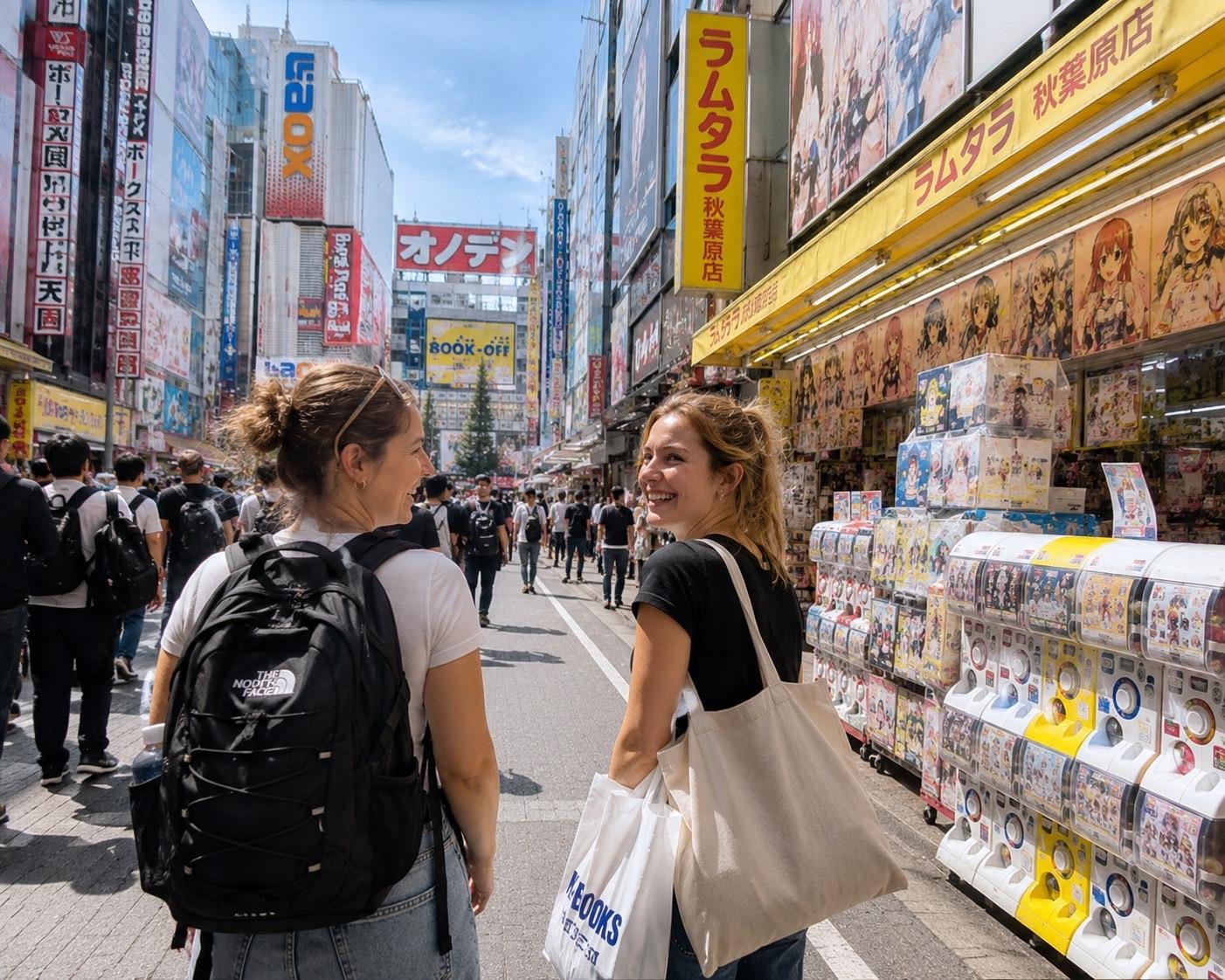
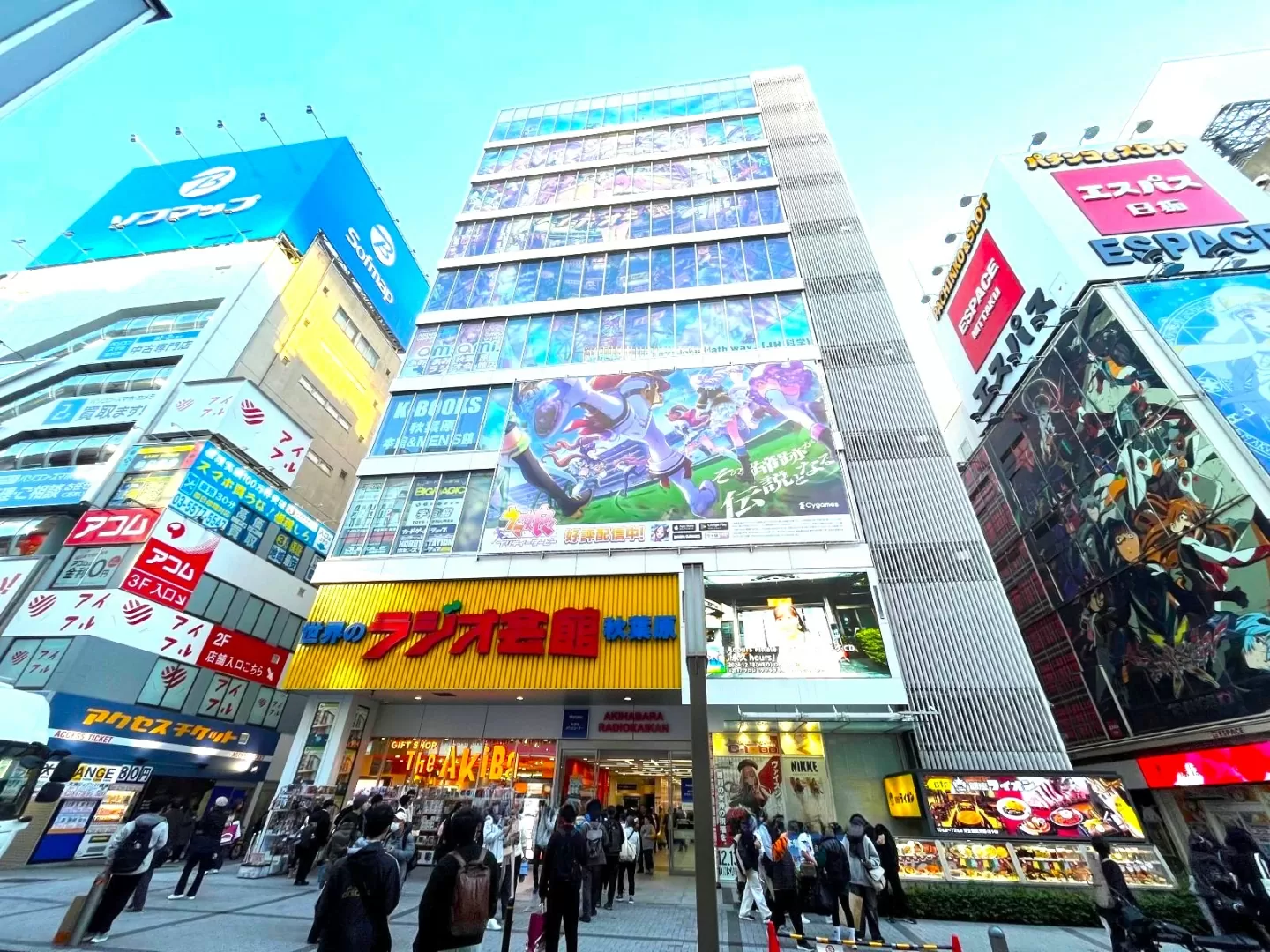
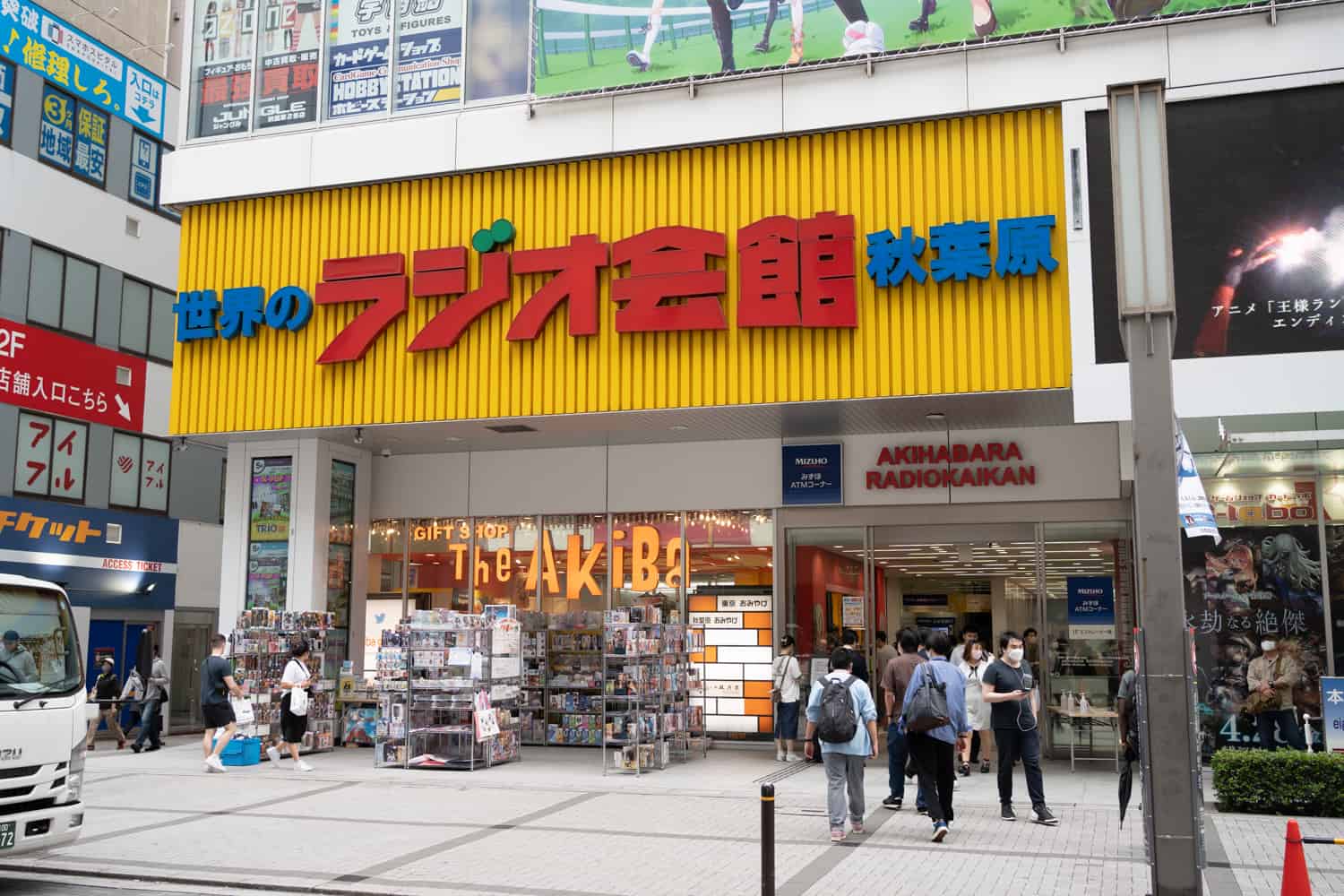
Stand directly in front of the main entrance to capture the iconic vertical signage and the steady stream of shoppers entering this hub of pop culture. This spot is a central fixture for any anime day tour tokyo that focuses on hobbyist retail.
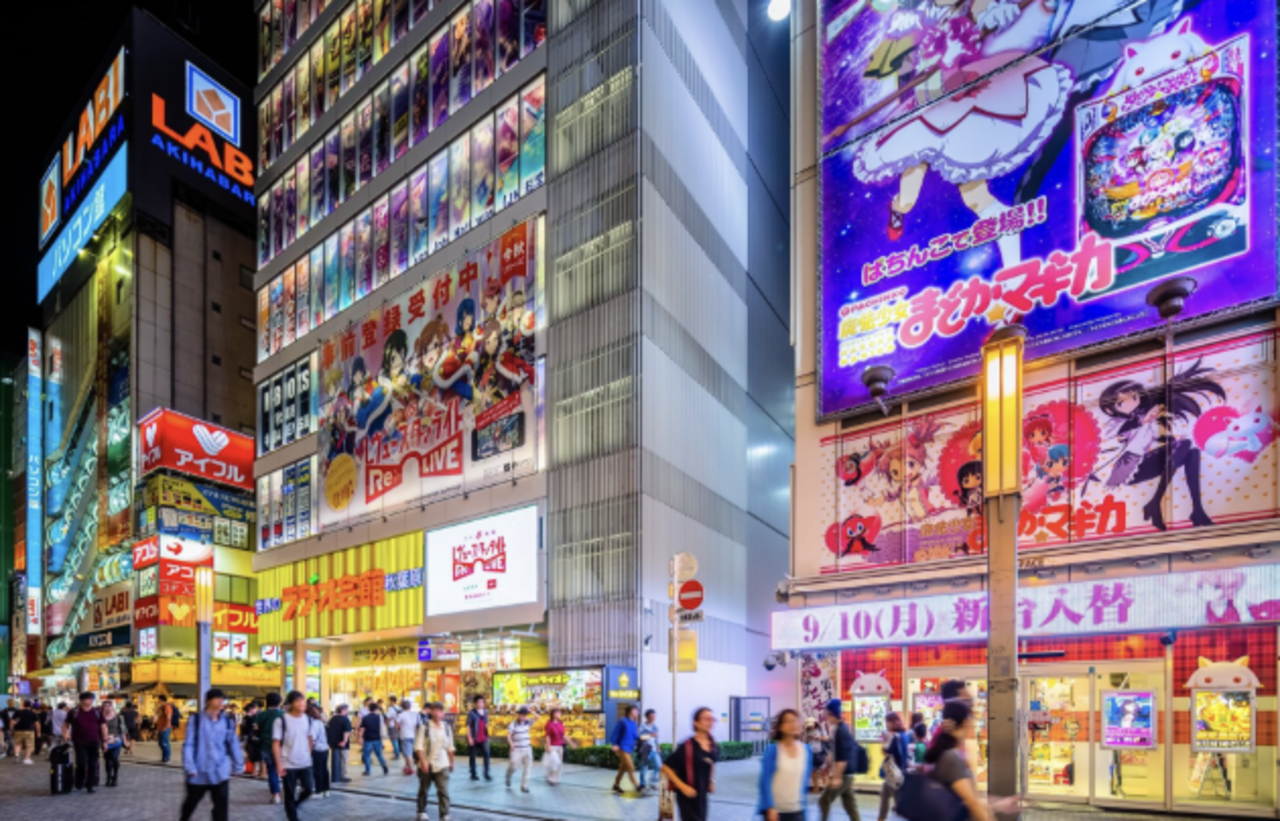
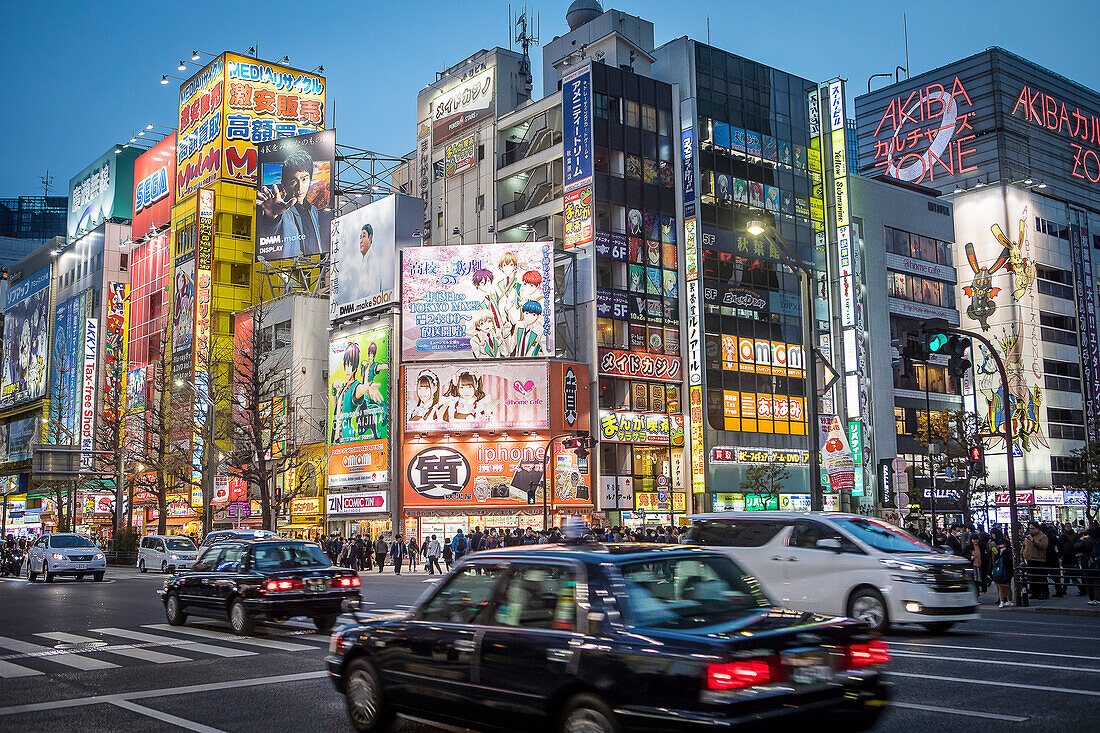
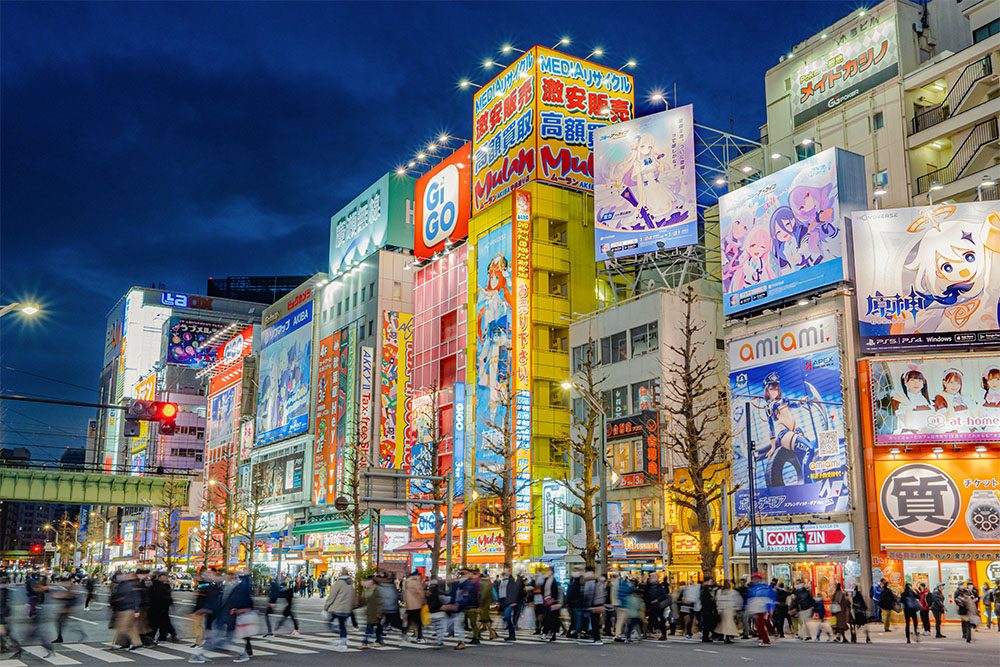
Position yourself at the intersection to photograph the dense concentration of neon lights and electronic billboards that define the district skyline. It serves as a classic backdrop for those booking anime day tour tokyo tours.
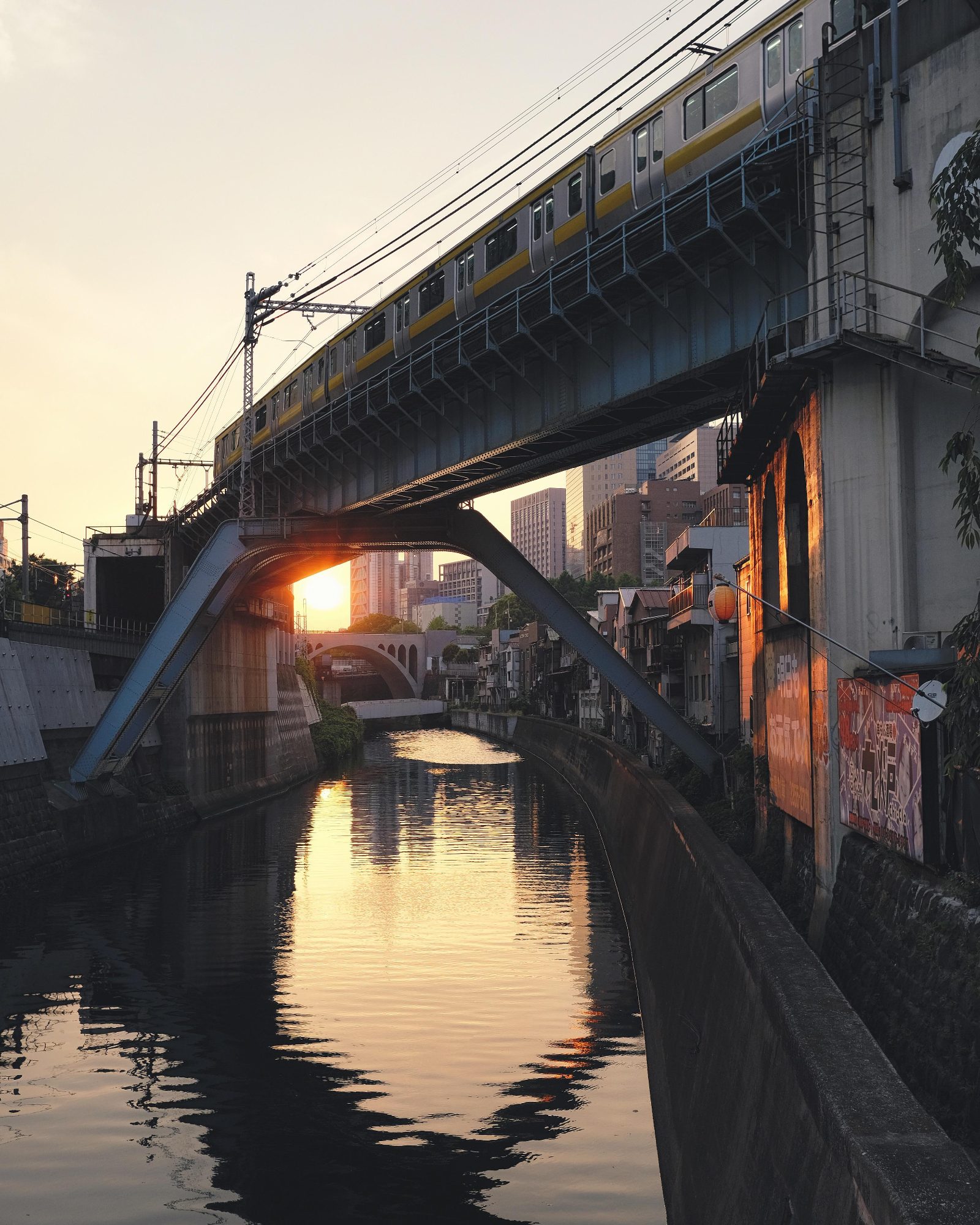
Walk onto the bridge just south of the station to capture a juxtaposition of the urban rail lines and the dense city architecture. Many who purchase anime day tour tokyo tickets prefer this quieter vantage point for landscape framing.
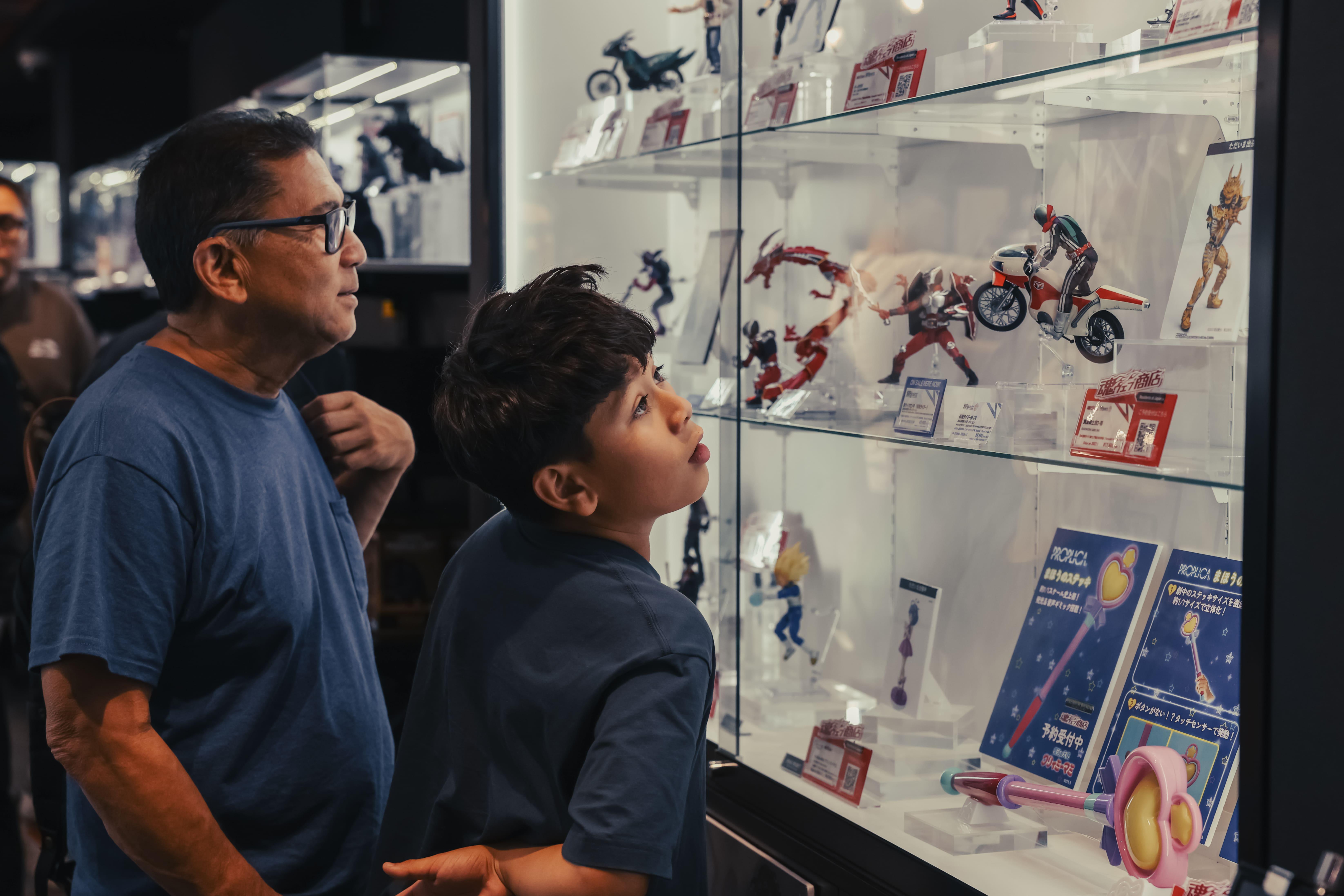
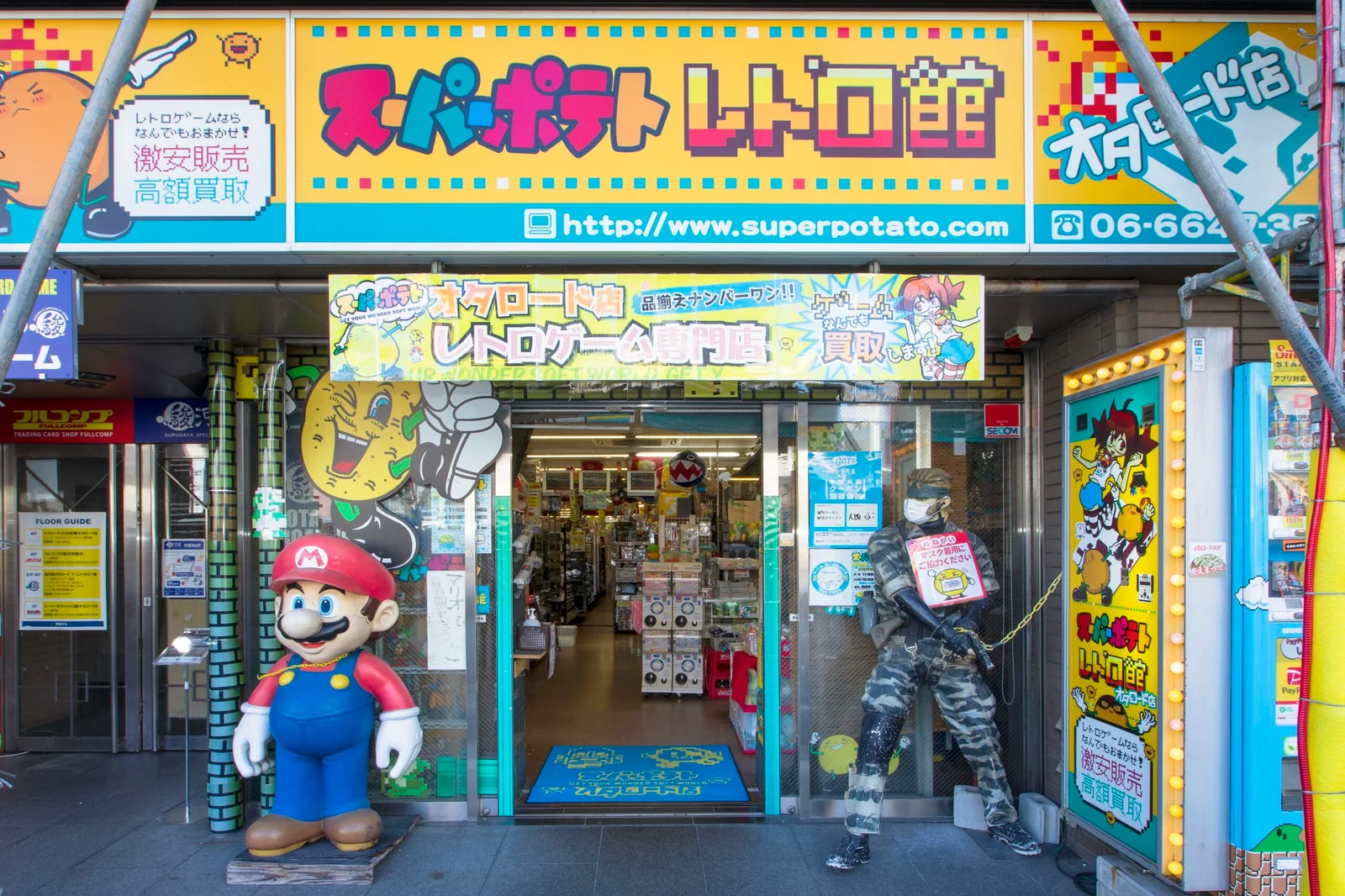
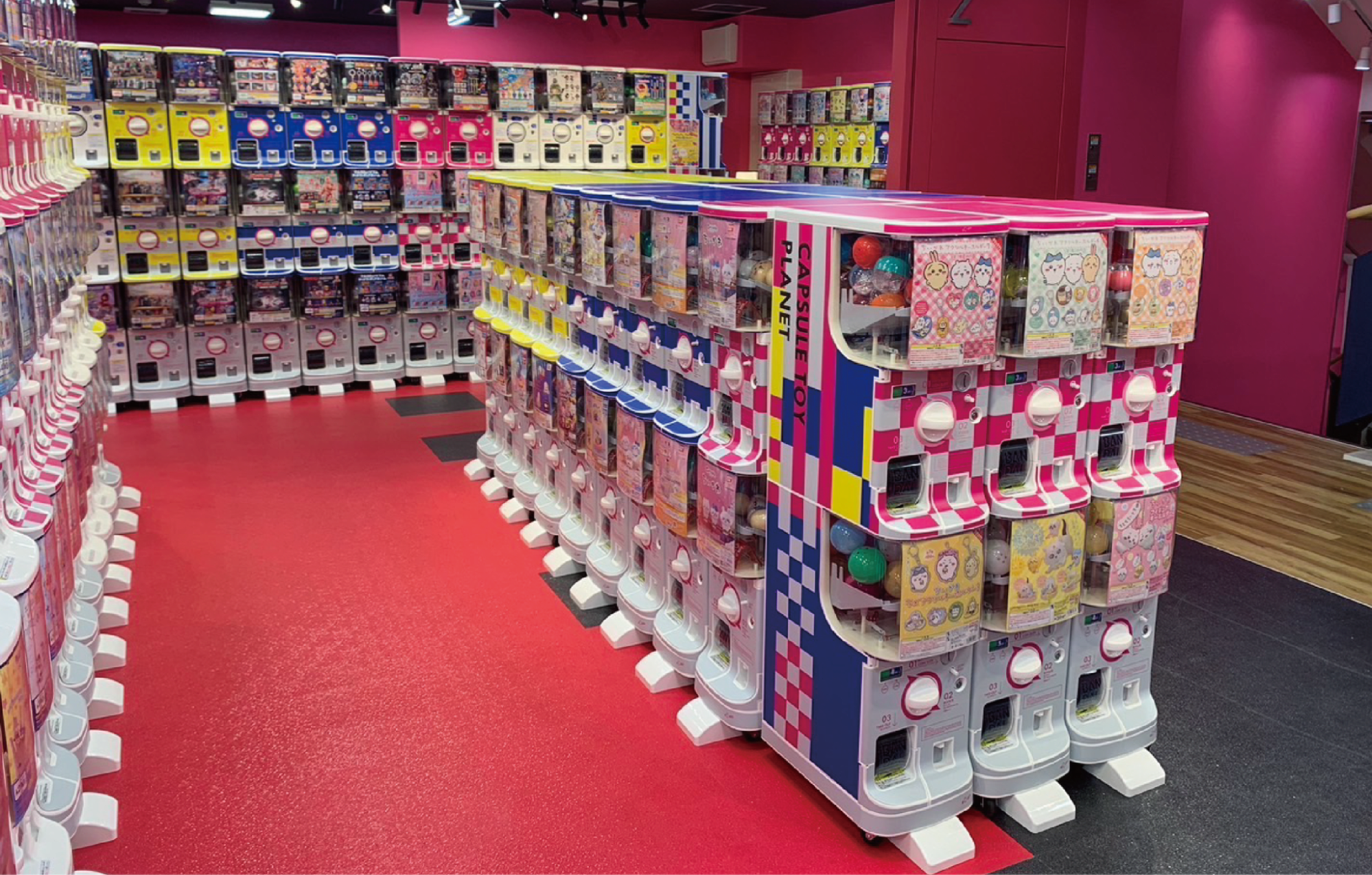
Frame your shot at the shop entrance to highlight the colorful displays of capsule toy machines that draw enthusiasts from around the world. It provides a distinct visual signature for a typical anime day tour tokyo tour.
Planning an anime day tour tokyo with children requires navigating busy retail zones, but families find the district accessible during daylight hours. This Tokyo electronics town landmark offers a unique look into pop culture that school-aged visitors often enjoy.
Most main streets and larger retail buildings are accessible with strollers, though smaller hobby shops can be cramped and difficult to navigate. You may prefer a compact carrier for older infants to easily enter multi-story shops during your anime day tour tokyo tours.
Public restrooms with baby-changing tables are available at major train stations and large department stores throughout the area. Plan your anime day tour tokyo tour around these hubs to ensure you are never far from necessary amenities.
The district is best suited for children aged seven and up who have an interest in manga or gaming culture. Younger children may find the crowded sidewalks and sensory input overwhelming during peak times.
To maximize your anime day tour tokyo tickets, arrive between 10:00–18:00 when the majority of shops are open. The area is dense with character figures and arcades, so limit your itinerary to a few blocks to prevent fatigue.
Many retail complexes are connected or located near station exits, providing shelter if the weather turns. Use these indoor multi-level buildings to browse collectibles while staying dry.
Exploring Akihabara provides numerous opportunities to enjoy themed dining near your anime day tour tokyo. You will find a variety of establishments, from character-inspired venues to quick snack stops, suitable for visitors completing their Tokyo otaku culture tour.
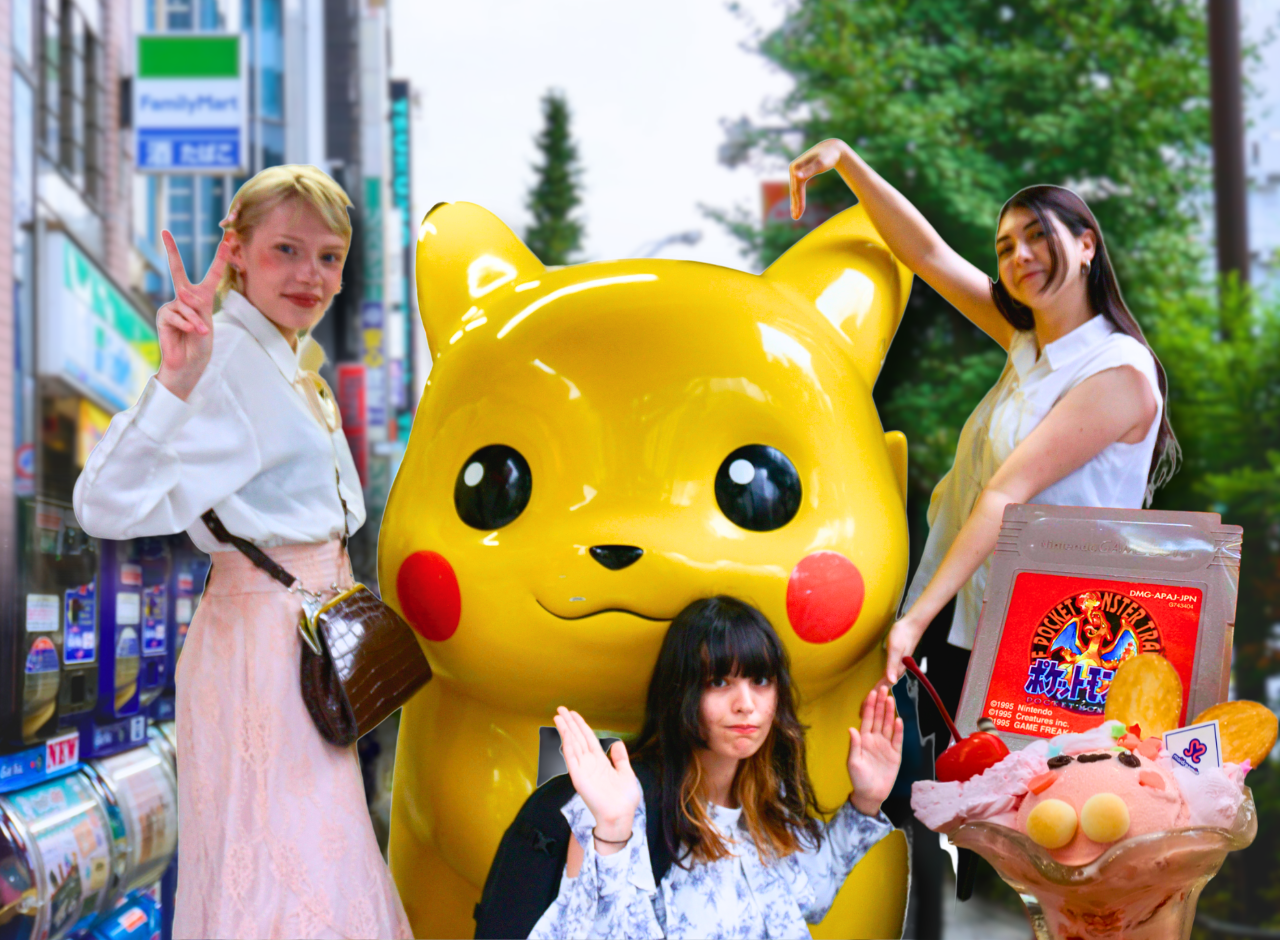
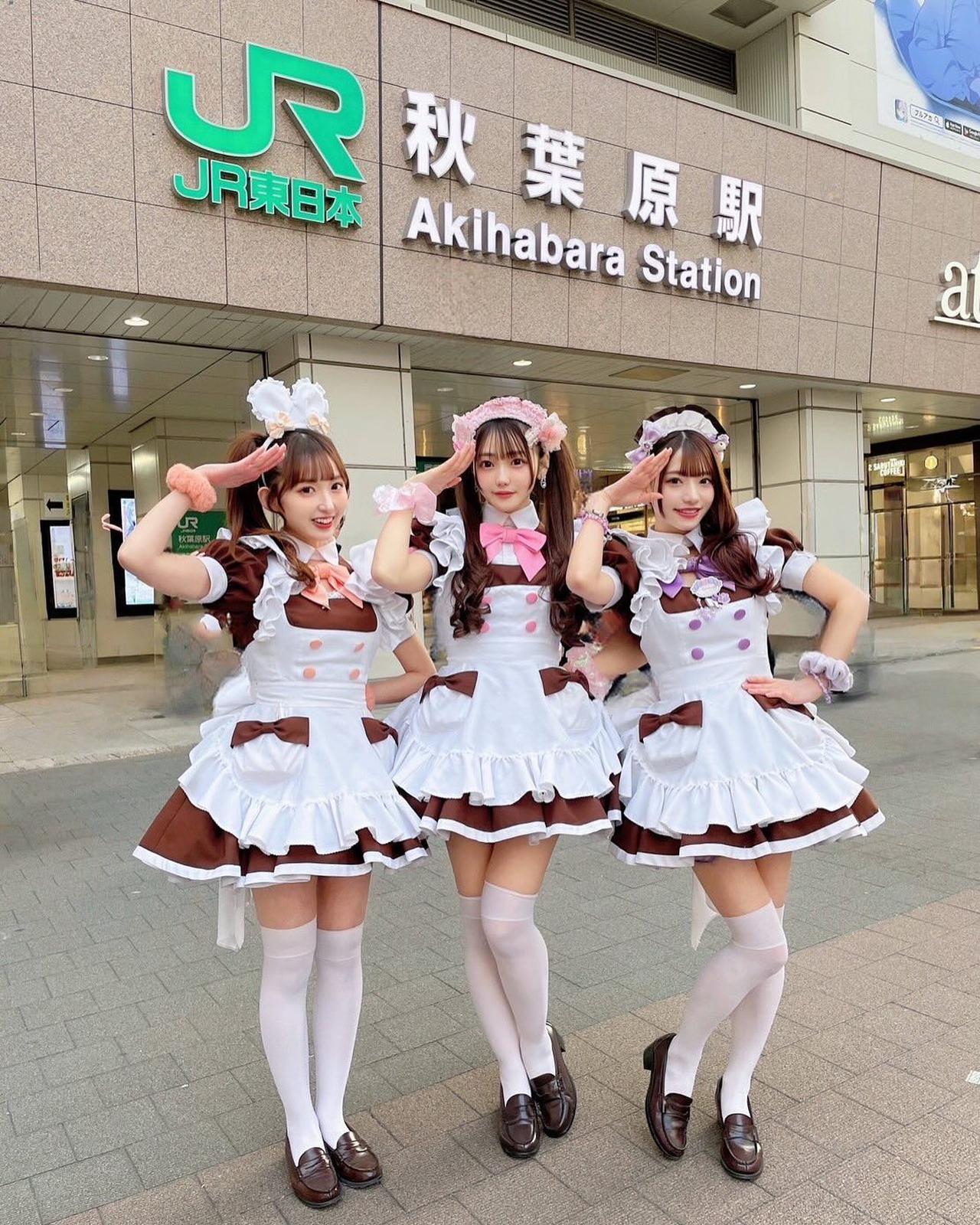
Experience the iconic maid café culture with performances and decorated desserts. It is a staple for those seeking the full anime day tour tokyo tour experience.
Everything you need to know for your journey
The district is open daily from 10:00–20:00 for your visit.
The entrance fee is 0 JPY for the district, though individual venues charge their own prices.
The area is located in Akihabara, Chiyoda City, Tokyo, Japan.
The best arrival window for your anime day tour tokyo is 10:00–18:00 when most shops are active.
Families are welcome, though some specific themed cafes may have age requirements.
You can bring small bags, but large luggage is discouraged in the crowded retail spaces.
Photography policies vary by shop, so always check for signage before taking pictures.
You can easily reach the area by train via Akihabara Station using various JR lines.
General district exploration has no fee; check with your specific tour operator regarding anime day tour tokyo tickets and cancellation terms.
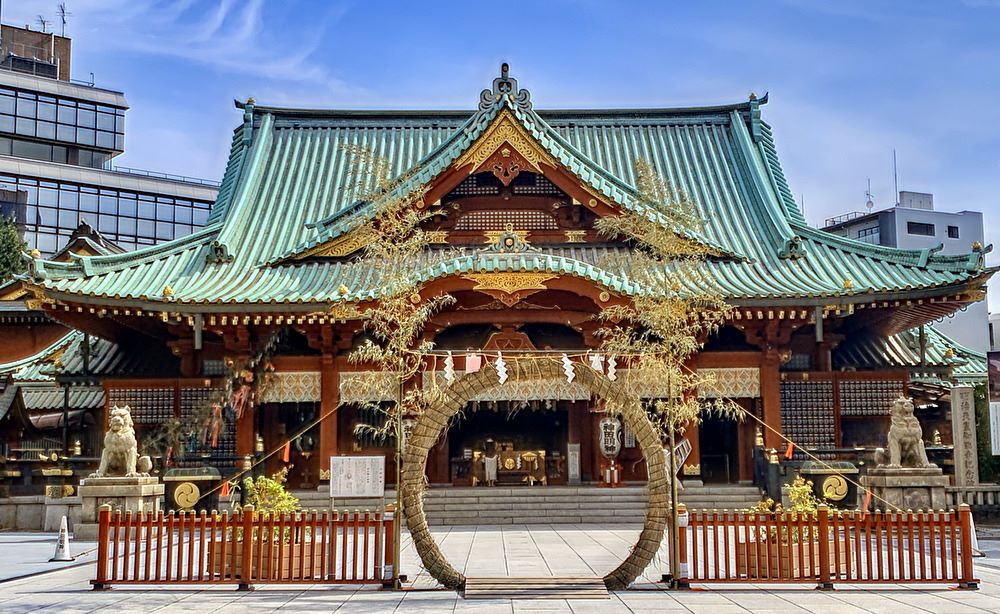
Historical shinto shrine featuring unique electronic charms.
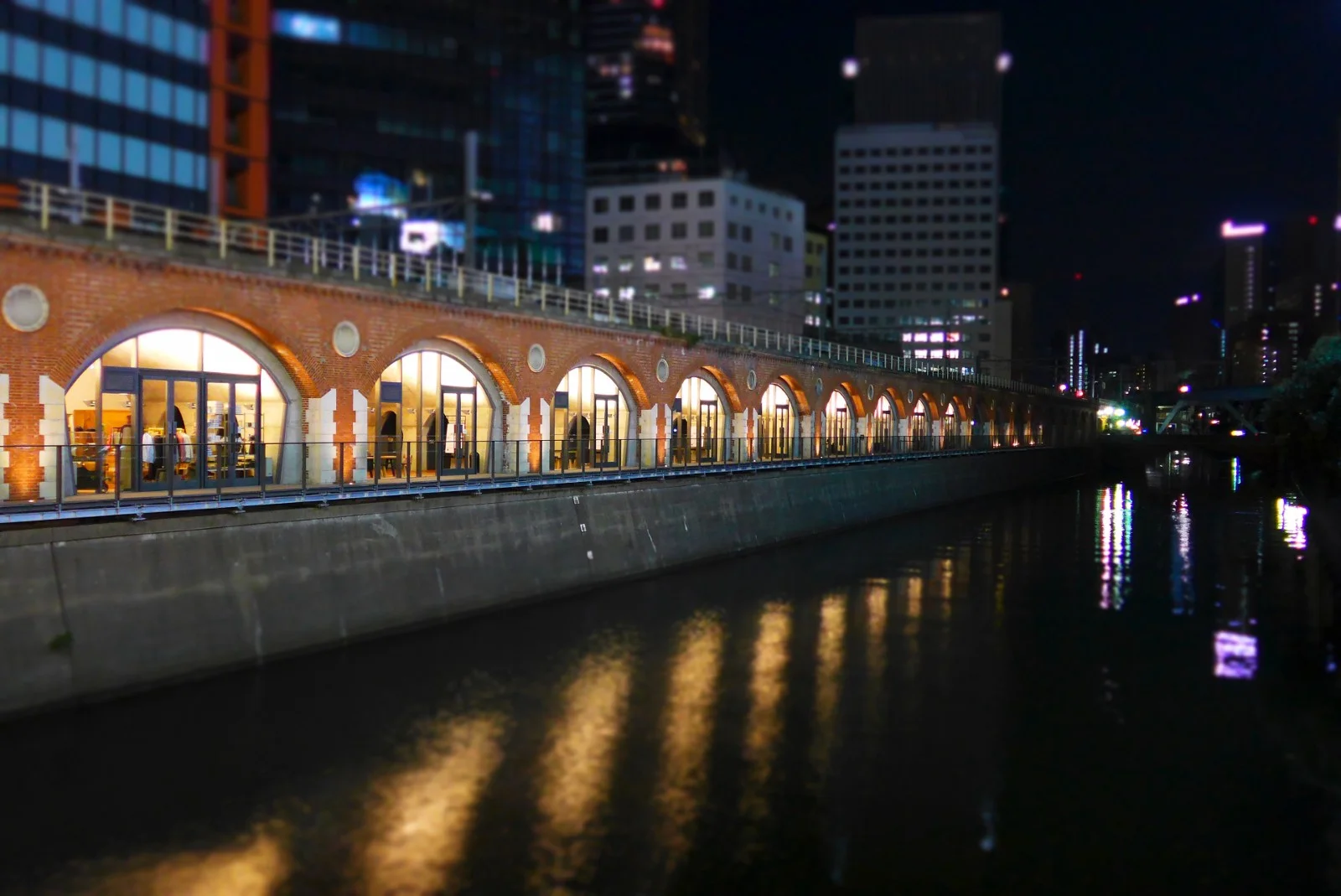
Refurbished historic bridge with creative retail spaces.
Iconic multi-story building dedicated to hobby culture.
Comfortable lodging located steps from the main district.
Stylish rooms with modern design touches.
Numerous capsule hotels and business hotels available.
Join thousands of happy travelers who have discovered this incredible experience
Book Your Experience Now