2 hr
Akihabara Anime, Manga & Maid Cafe Experience
- Entry ticket
- Mobile voucher
- Valid same day
- Free cancellation
Tokyo Anime Tour — Akihabara's Otaku District
Where neon facades meet collector passion, eight city blocks deep
Compare fares, pick the fit — all bookings are mobile-voucher and eligible for free cancellation where shown.
2 hr
1 hr 30 min
2 hr
| Experience | Duration | Rating | Guide | Small group | Free cancel. | Price | |
|---|---|---|---|---|---|---|---|
|
Standard Entry
Most popular
Akihabara Anime, Manga & Maid Cafe Experience
|
2 hr | ★ 4.8 | ✓ | — | ✓ | $31 | Book → |
|
Standard Entry
Akihabara Anime & Gaming Walk with Arcade Play
|
1 hr 30 min | ★ 4.9 | ✓ | ✓ | ✓ | $44 | Book → |
|
Standard Entry
Akihabara Anime & Gaming Shopping Tour
|
2 hr | ★ 5.0 | ✓ | — | ✓ | $40 | Book → |
Akihabara offers a sprawling, neon-lit district experience while Nakano Broadway provides a concentrated, collector-focused environment, making both essential stops for different reasons. This comparison helps you decide which Tokyo anime tour tours best match your personal interests.
|
Top pick Akihabara |
Nakano Broadway | |
|---|---|---|
| Vibe | High-energy commercial district | |
| Primary Focus | Modern media and electronics | |
| Scale | Expansive multi-block area | |
| Crowd Density | High foot traffic | |
| Shopping Style | Large retailers and themed cafes | |
| See tickets & prices |
Verdict: Choose Akihabara for a high-octane Tokyo anime tour experience or Nakano Broadway for a deep dive into retro collectibles without requiring formal tokyo anime tour tickets.
Hand-picked experiences loved by thousands of travelers
1 hour 30 minutes
Free Cancellation
Navigate Tokyo's electric otaku district with a local guide who knows the hidden shops and collector spots
2 hours
Free Cancellation
Navigate Tokyo's electric otaku district with an insider who knows where to find the best deals on figures, manga, and merch.
3 hours
Free Cancellation
Navigate Tokyo's otaku capital with a certified guide who reveals the hidden history behind the neon
3 hours
Free Cancellation
Dive into Tokyo's otaku paradise with a personalized 3-hour journey through anime shops, retro games, and maid cafes
4 hours
Free Cancellation
Explore Tokyo's otaku paradise with a personalized guide through Akihabara, Shibuya, and Ikebukuro
2 hours
Free Cancellation
Dive into Tokyo's electric otaku district with a local guide, arcade action, and optional maid cafe
2 hours
Free Cancellation
Tailor-made exploration of Tokyo's anime capital with a local expert who builds your route around your fandoms.
3 hours
Free Cancellation
Navigate Tokyo's otaku capital with a local guide who tailors the route to your anime, manga, and gaming obsessions
This ten-story tower is a primary hub for anime figures and trading cards, sitting right by the station exit.
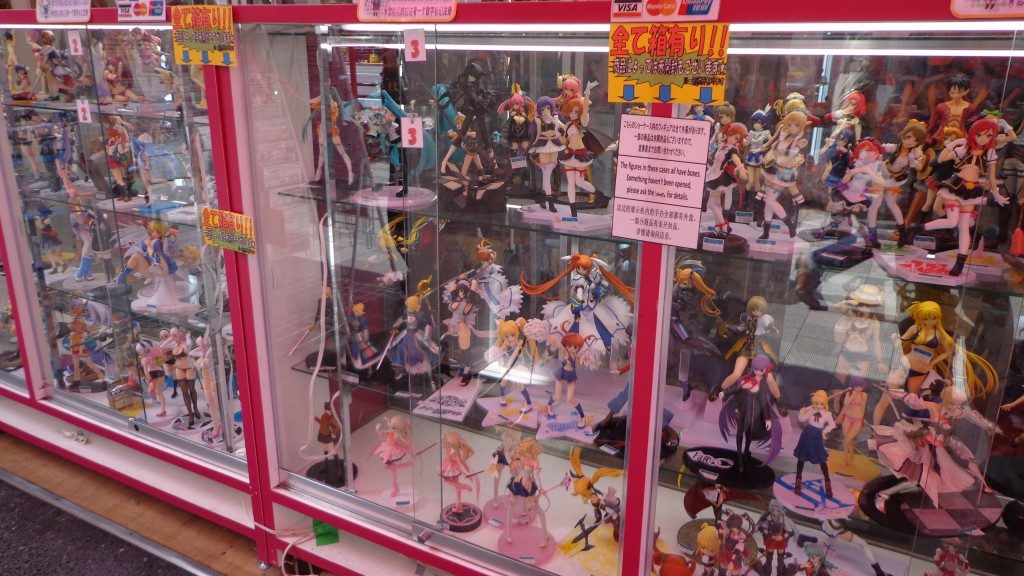
The flagship store for anime fans offering an exhaustive selection of manga, stationery, and official character goods.
Famous for its massive collection of rare secondhand manga, vintage figures, and retro collectibles across eight floors.
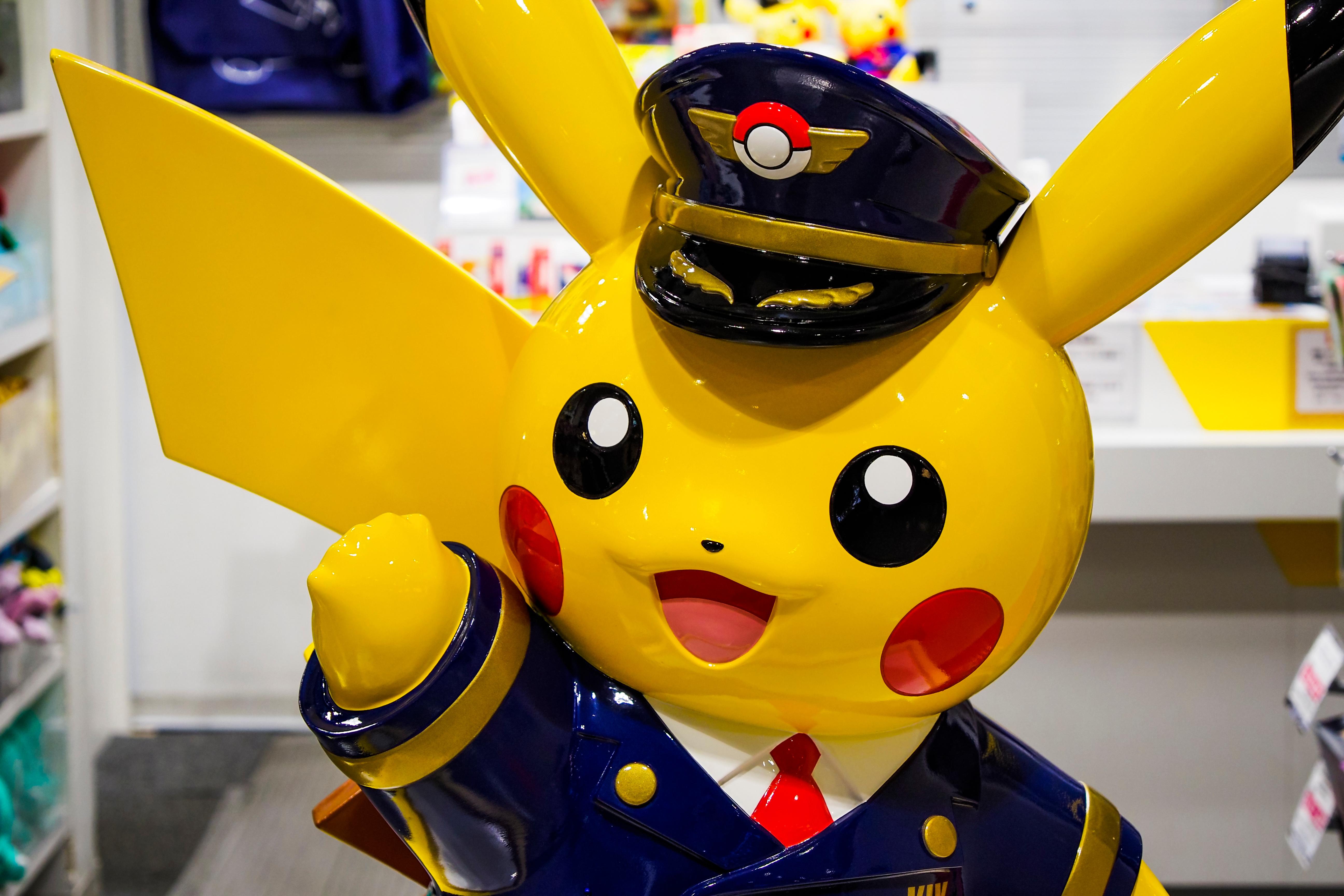
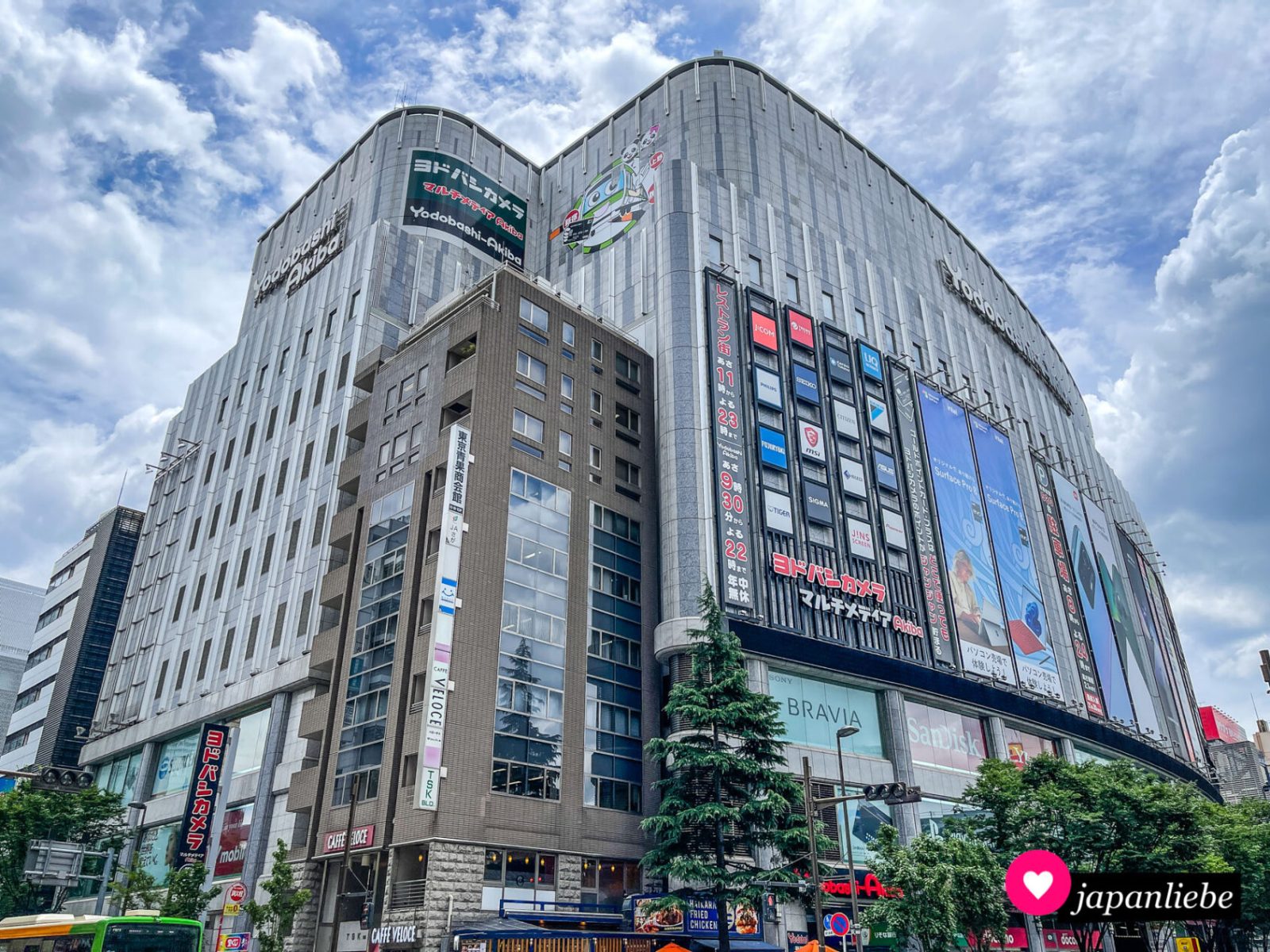
A massive nine-story electronics megastore that also houses a large Pokémon Center and dining options.
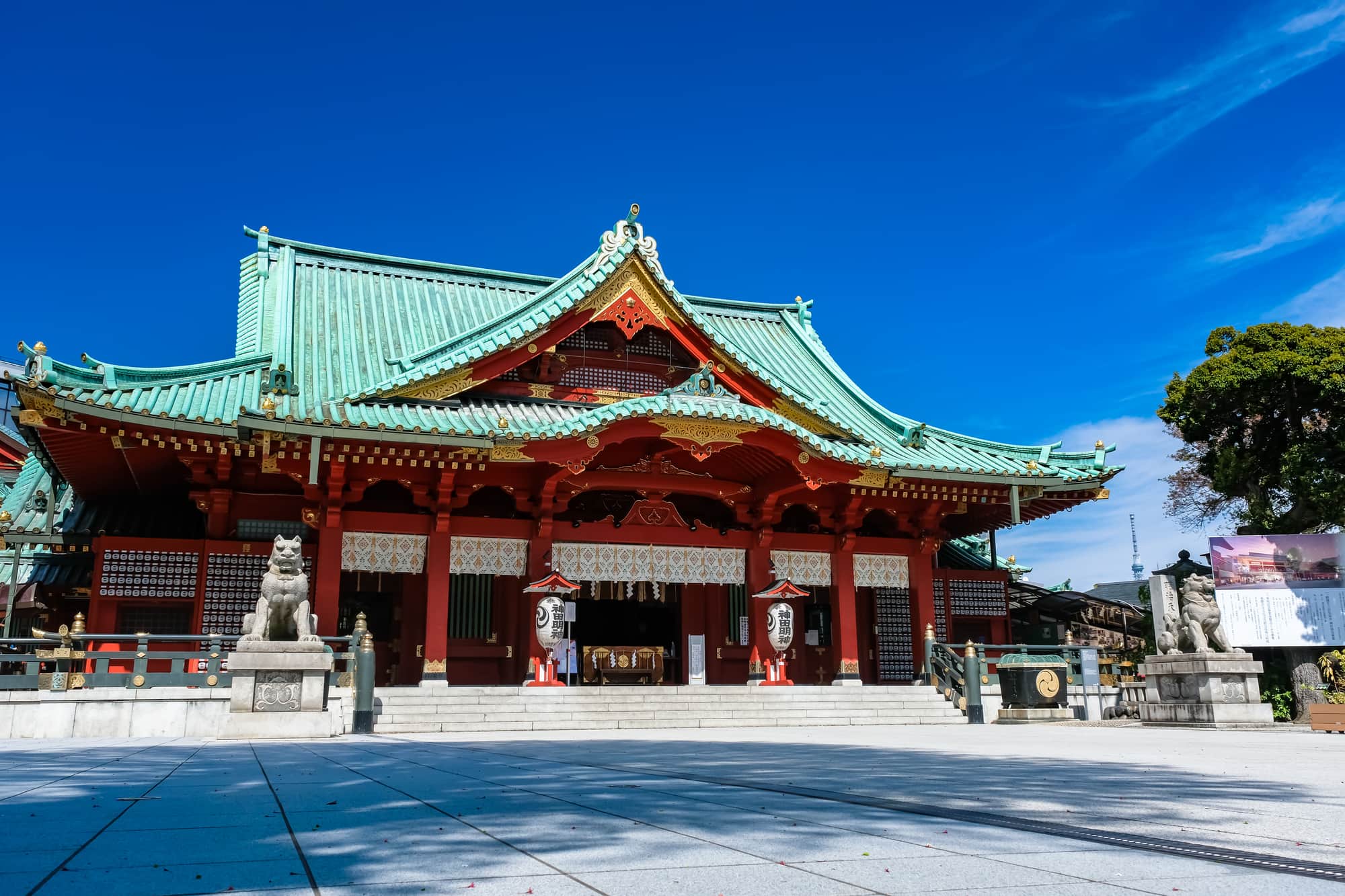
A historic shrine famously integrated into modern culture with talismans for technology and computers.
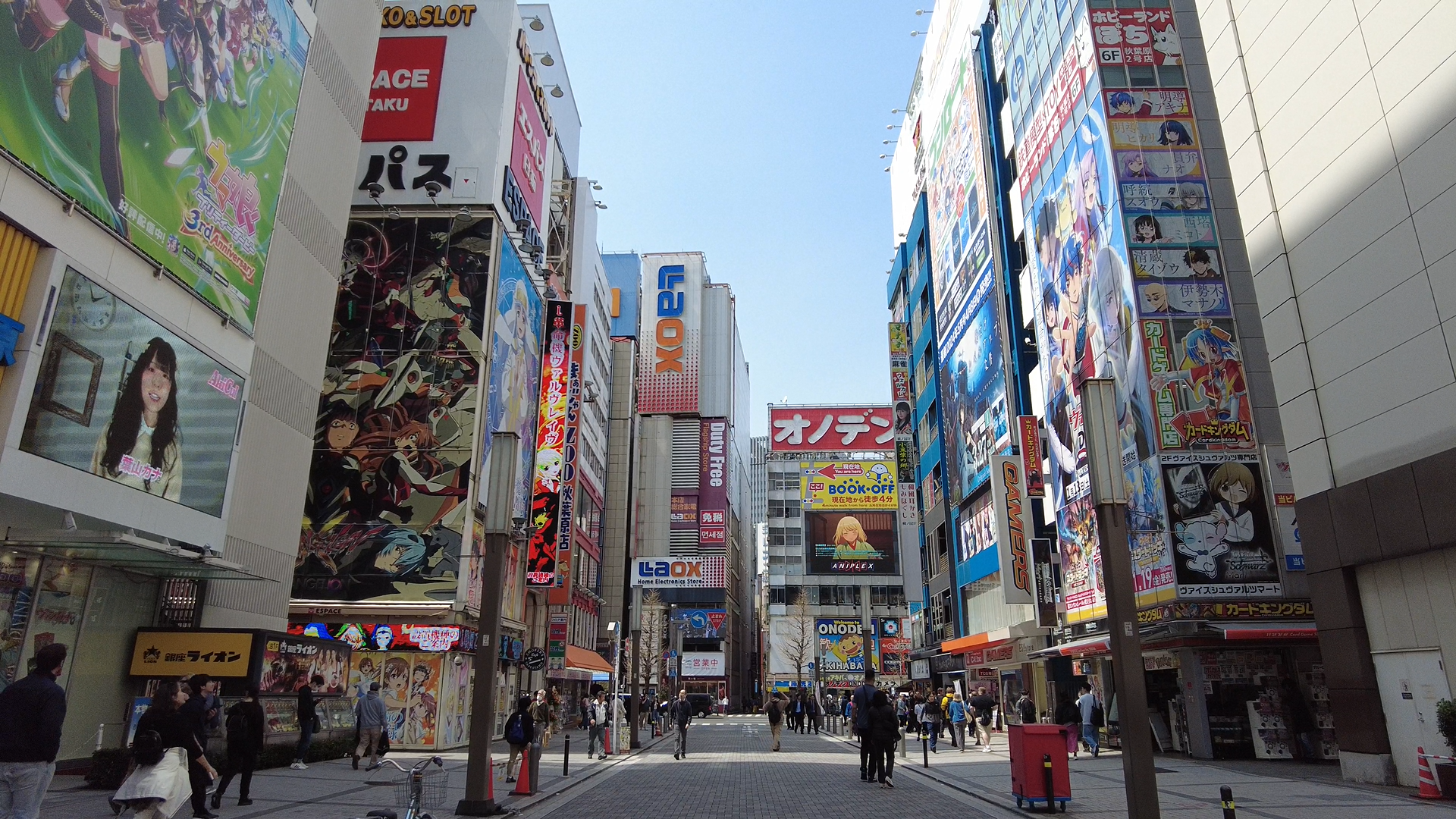
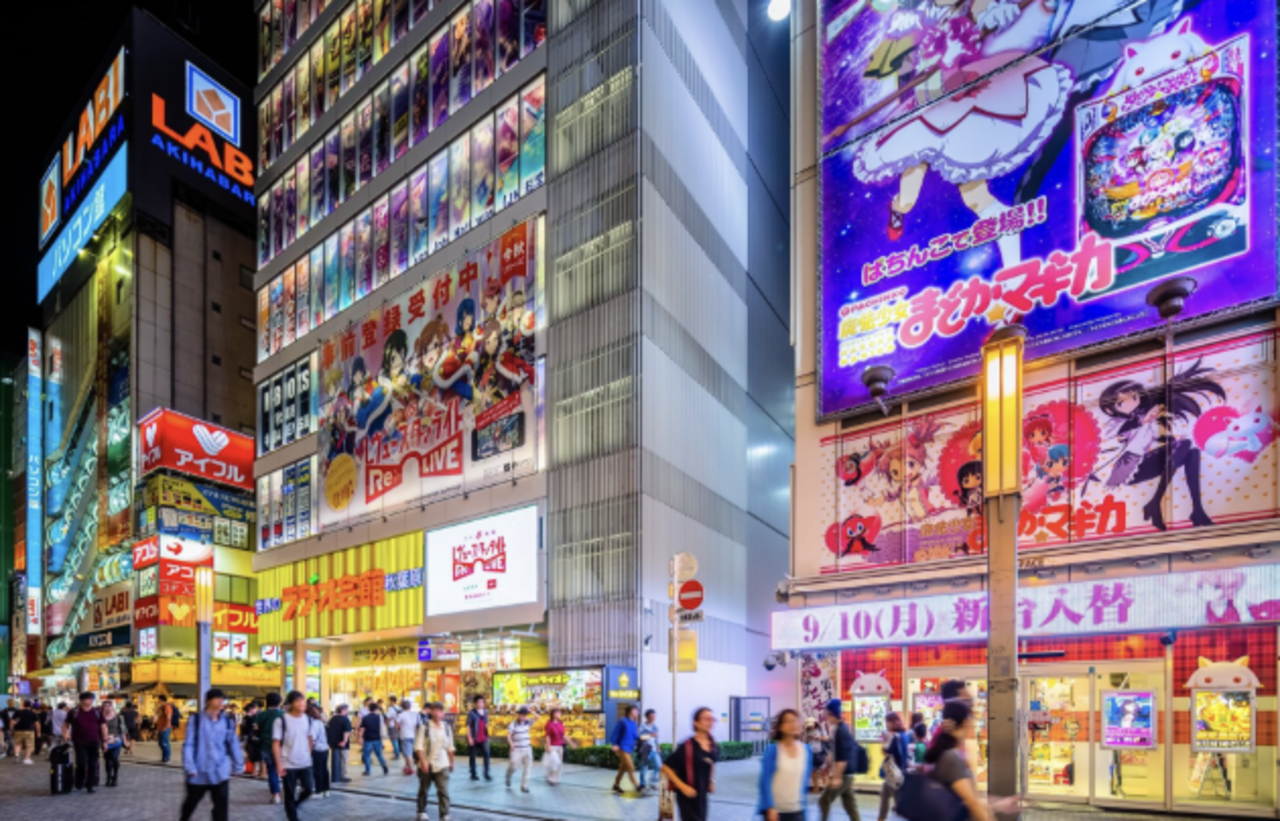
You surface at Akihabara Station's Electric Town Exit at 10:30, as shutters roll up on Chuo-dori's anime emporiums. The pedestrian zone stretches north for 400 meters, flanked by eight-story retailers whose LED facades cycle through seasonal campaign art.
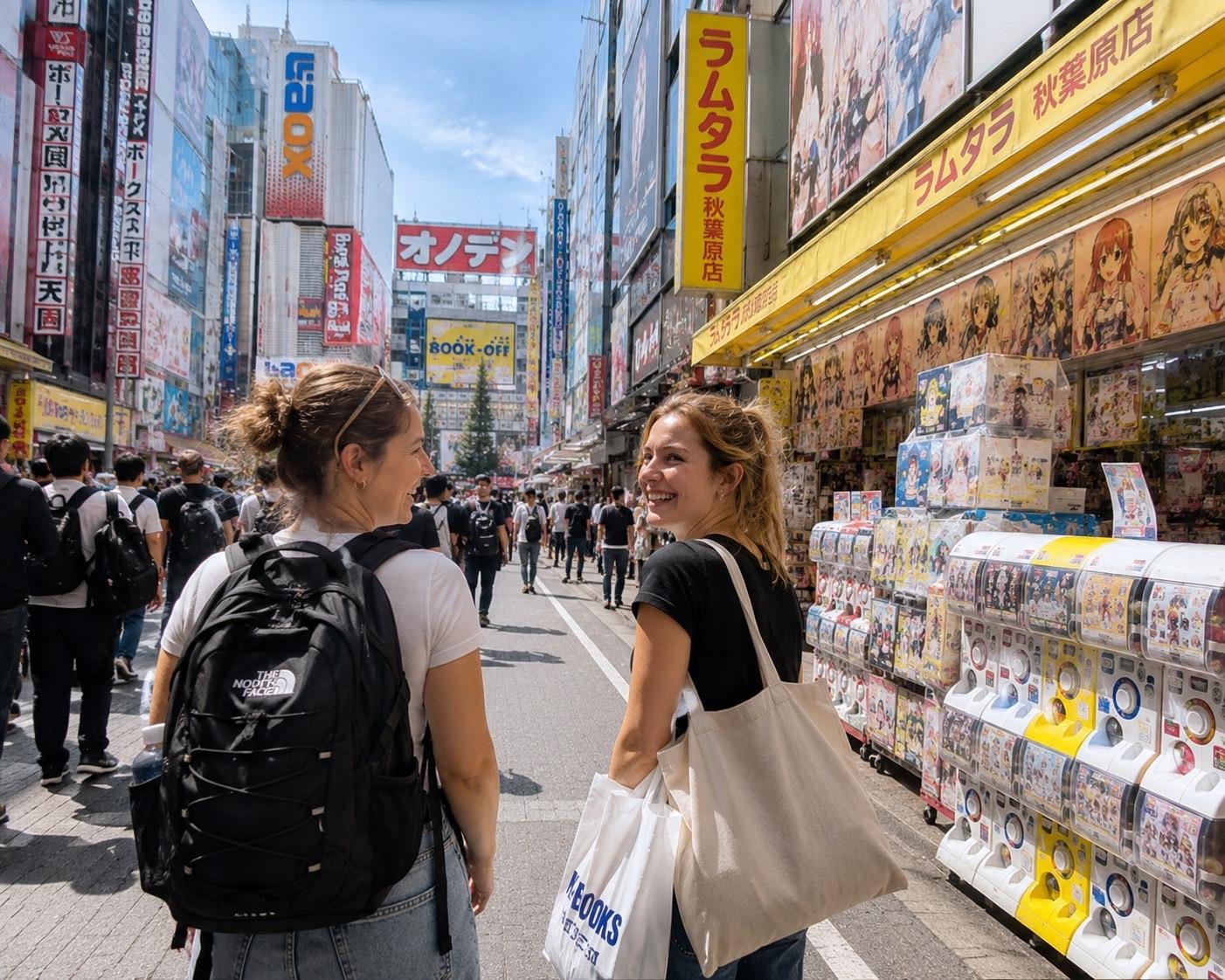
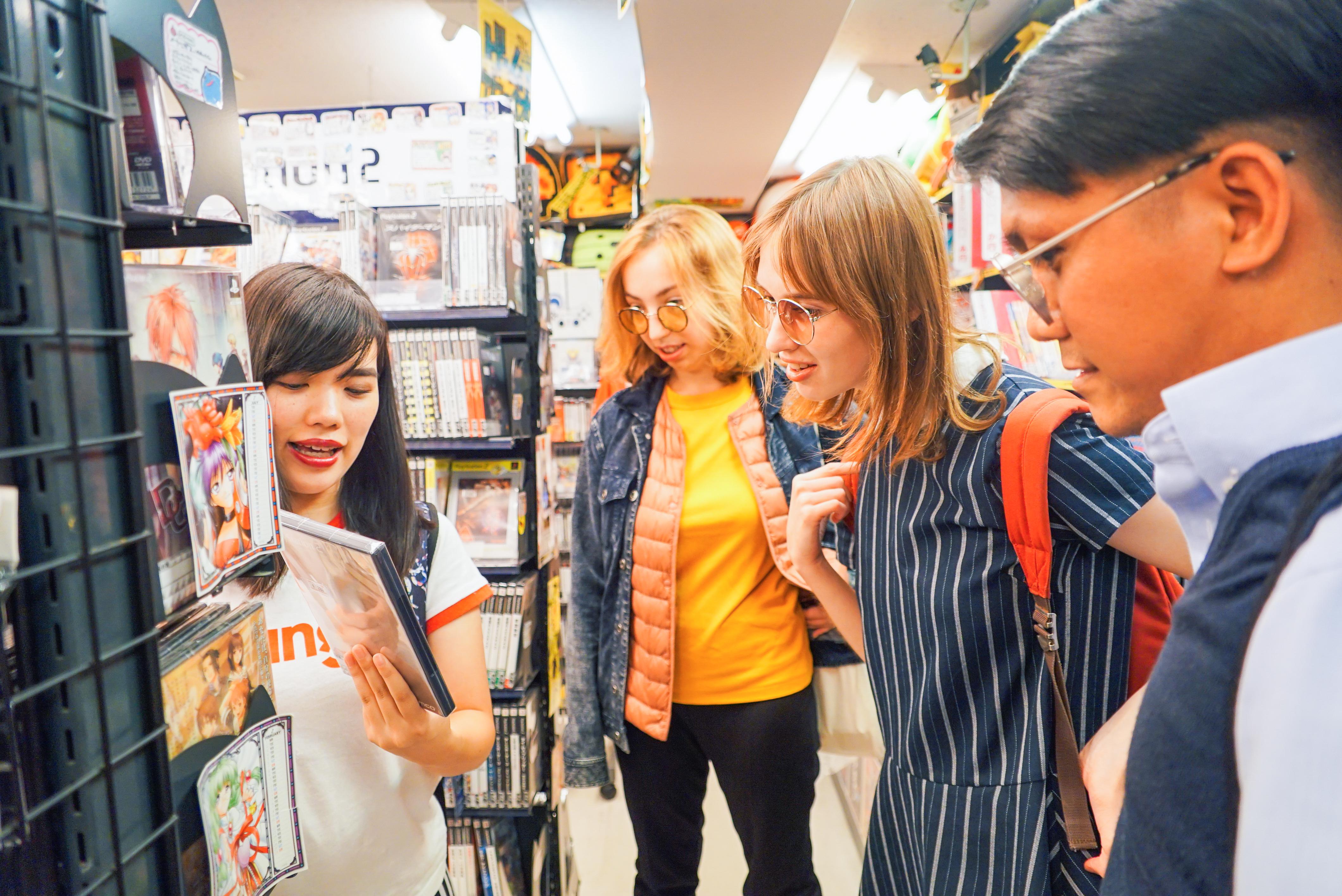
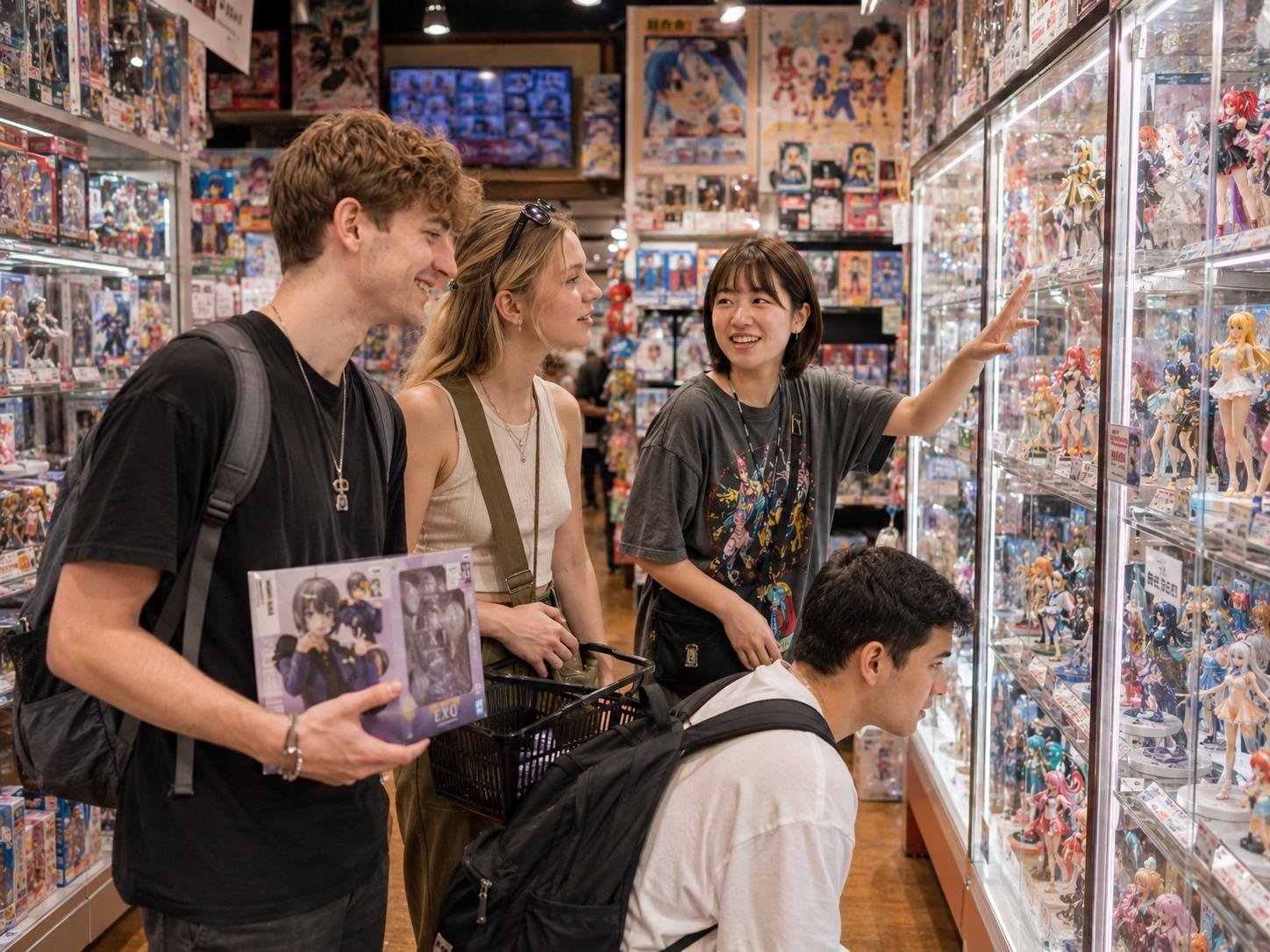
You enter Animate's ground floor, where new-release manga occupy the first three aisles and staff recommendations flag titles selling above forecast. The second floor holds 6,000 gashapon machines dispensing blind-box figures; you feed 500-yen coins and twist chrome knobs until a capsule drops. Climbing to the fourth floor, you browse limited-edition Blu-rays released exclusively at this location, each signed by voice directors during weekend events.
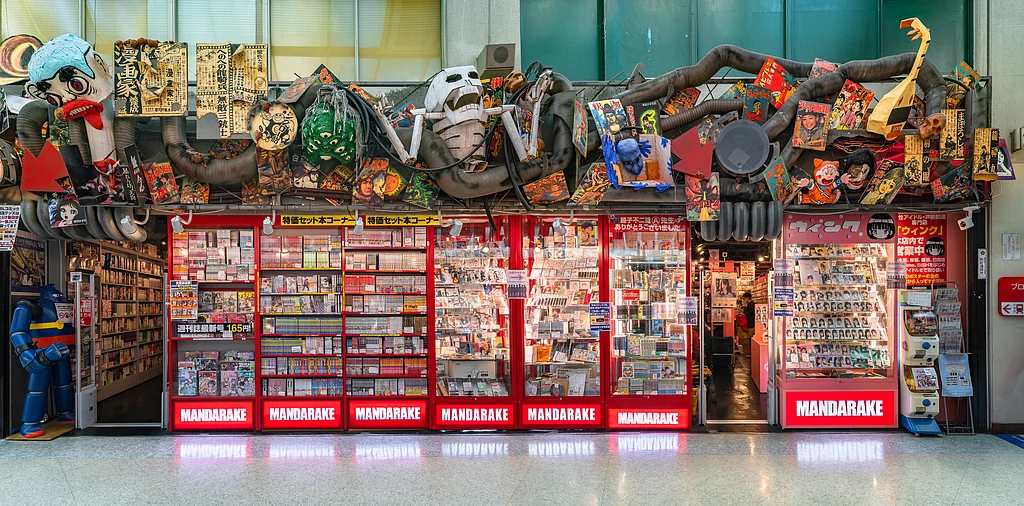
Crossing to Mandarake Complex, you descend into the basement vintage section where animation cels from 1980s productions line glass cases, priced by frame count and character prominence. The fifth-floor doujinshi archive requires age verification; you scan your passport at the counter and enter a reference library holding 40,000 fan-published works organized by franchise and creator circle. By 13:00 you've covered three blocks and logged 8,400 steps. You pause at a themed cafe where waitstaff in maid uniforms serve latte art depicting Gundam suits, then continue south toward Kanda River, where smaller shops trade in vintage toys and game soundtracks pressed on vinyl.
All the details about your upcoming adventure in one place
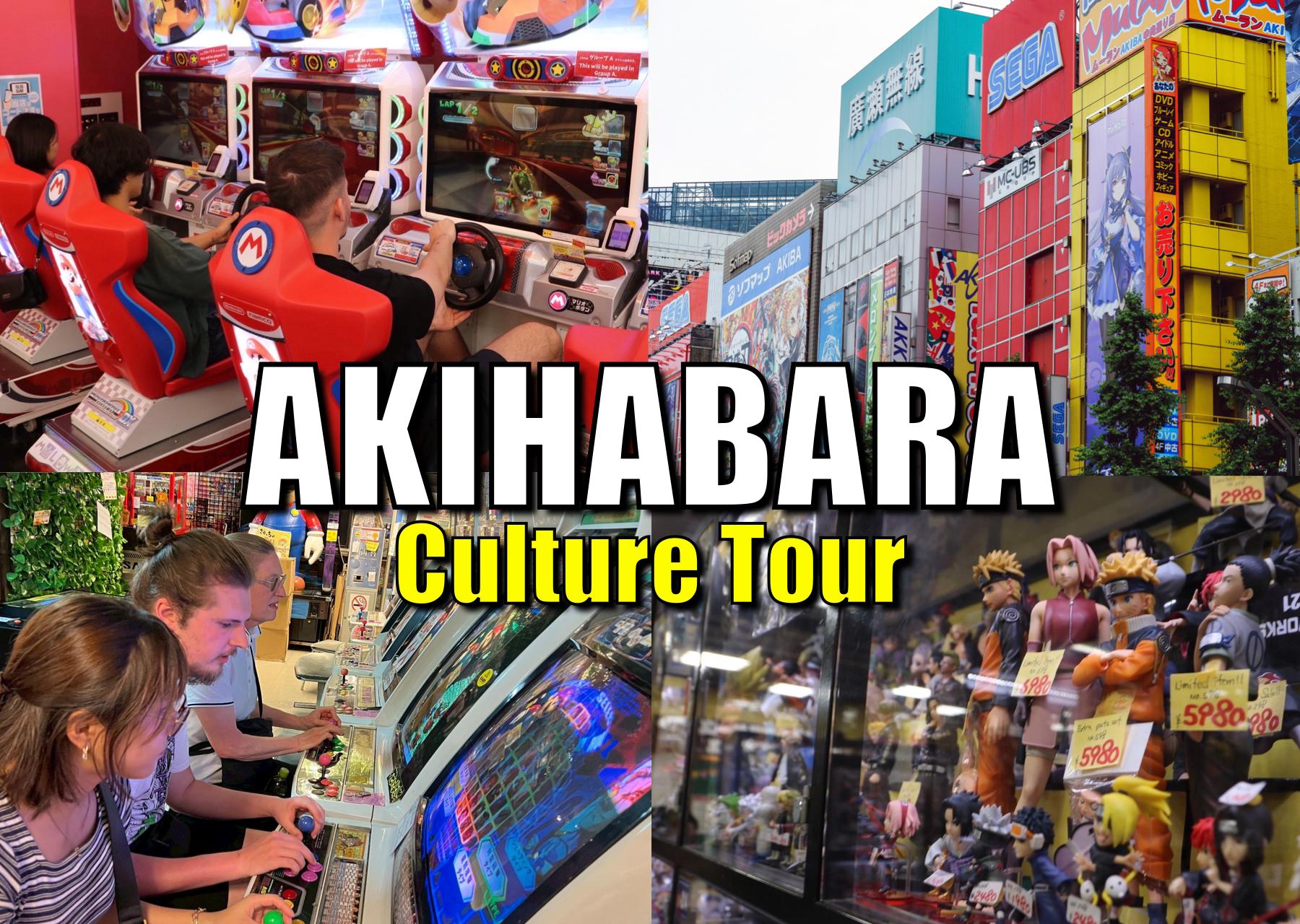
This tokyo anime tour guides you through Akihabara's anime specialty shops, figure stores, and themed cafés where otaku culture thrives. Your local guide shares insights into manga history, collector communities, and the evolution of Japanese animation while navigating multi-story hobby complexes and retro arcade centers. Tokyo anime tour tickets include entry to a maid café and a collectible district map.
Akihabara emerged from post-war black markets selling salvaged radio components beneath Chuo Line overpasses in 1946.
By 1951 the district had crystallized into Tokyo's electronics wholesale hub, earning the nickname Denki Gai — Electric Town — as 300 shops clustered within a six-block radius supplied Japan's reconstruction boom with transistors, vacuum tubes, and imported circuitry. The anime tour through Akihabara traces this commercial archaeology: ground-floor retailers still hawk resistors and soldering irons while upper stories converted to manga cafes and figure emporiums after the 1980s otaku economy took root.
The district's transformation accelerated in 2005 when the Tsukuba Express station opened beneath Akihabara Crossfield, funneling 400,000 daily commuters past retrofitted pachinko parlors that became multi-story anime merchandise towers. Today seventeen major retailers anchor the corridor between Chuo-dori and Kanda River, each specializing in niche subcategories: scale models at Yellow Submarine, rare doujinshi at Toranoana, vintage cels at Mandarake. The biggest anime store in Tokyo occupies eight floors at Animate Akihabara, where 120,000 SKUs range from limited-edition light novels to voice actor autograph sessions held in the ninth-floor event space. Where to buy anime figures in Tokyo remains a frequent visitor question — Kotobukiya and Good Smile Company both maintain flagship stores within 200 meters of the station's Electric Town Exit.
Best anime tour options in Tokyo concentrate here because the district functions as both retail laboratory and pilgrimage site. Maid cafes lining Chuo-dori represent a 2001 service innovation that spread globally, while Gundam Cafe's life-size Mobile Suit facade became an architectural landmark photographed 2.3 million times annually. The tokyo anime tourism 2026 digital rally, launched in March, overlays AR scavenger hunts onto historic shopfronts, converting the streetscape into an interactive layer where visitors collect virtual stamps at places to visit in Tokyo anime culture. Weekend foot traffic peaks at 85,000 between 14:00 and 16:00, when cosplayers occupy the pedestrian zone and storefront speakers broadcast theme songs at 78 decibels.

Akihabara functions as both retail laboratory and pilgrimage site, where post-war transistor markets evolved into the otaku economy's global command center.
Casual attire is recommended for this tokyo anime tour. Comfortable walking shoes are essential as you navigate the multi-story buildings and side streets of the district.
While exploring the tokyo anime tour area, be mindful of personal belongings. Many shops provide baskets for your purchases, but large luggage should be stored in lockers at Akihabara Station.
Photography is generally permitted in public areas of the tokyo anime tour district. Please follow signage inside individual shops and cafes regarding indoor photography policies.
The tokyo anime tour district is family-friendly with numerous toy shops, arcades, and themed cafes. Children should be supervised in crowded areas and inside the larger department stores.
Most shops in the tokyo anime tour district are accessible by elevator, though some older, smaller niche stores in the back alleys may have narrow staircases. The main streets are flat and pedestrian-friendly.
The tokyo anime tour area features countless dining options, from quick-service convenience stores to sit-down maid cafes. Consumption of outside food is generally prohibited inside retail establishments.
Operating Hours
10:00–18:00 (suggested arrival)
Address
Akihabara, Chiyoda City, Tokyo, Japan
Public Access
Free entry to the Akihabara district public areas
Best Season
Autumn for mild weather and large gaming events
Storage
Lockers available at Akihabara Station
Navigation
5-minute walk from the Electric Town Exit
Public transport · 5 min · Depends on origin station
Use the JR Yamanote or Keihin-Tohoku Line to Akihabara Station
As a public district, no entrance fee of 0 JPY applies. Individual bookings for tours or cafes are subject to provider-specific cancellation policies.
Recommended time
Half a day to a full day
Navigating the dense collection of hobby stores and arcades for your tokyo anime tour requires at least half a day to appreciate the vast inventory. Expect significant congestion inside multi-story hobby buildings during weekends, so prioritize your preferred shops early to minimize the wait for elevators and registers. Exploring these Akihabara landmarks often leads to spontaneous discoveries, making it wise to allocate extra time for browsing through rare collectibles.
Crowd levels through the day
Weather · crowds · average price — dots go green to amber to red as each metric rises.
Mild weather and new anime release season
Arrive before 10:00 to visit popular stores before they get crowded.
Akihabara's transformation into the heart of any Tokyo anime tour began not with animation, but with radio parts. After the 1945 firebombing of Tokyo destroyed much of the district, black-market electronics vendors set up stalls near Akihabara Station to serve technicians rebuilding Japan's communications infrastructure. By the 1950s, the area had earned the nickname "Electric Town" as legitimate shops replaced the makeshift market, selling transistor radios, television sets, and household appliances to Japan's growing middle class. The district's pivot toward otaku culture started in the 1980s when personal computer retailers moved in alongside the traditional electronics stores. Hobbyist programmers and early video game enthusiasts gathered in Akihabara's cramped second-floor shops, creating a subculture that would define the neighborhood. The 1990s brought a critical shift: as mass-market electronics moved to suburban big-box stores, Akihabara landlords leased vacant storefronts to anime and manga retailers. Stores like Animate and Gamers opened flagship locations, while the first maid cafes appeared in the early 2000s, commercializing the district's growing reputation as a sanctuary for anime fans. The 2005 opening of the Tsukuba Express rail line, with a major station at Akihabara, accelerated gentrification and corporate investment. Major developers tore down aging electronics markets to build sleek towers housing official anime goods shops, arcade chains, and themed cafes designed explicitly for tourists seeking a Tokyo anime tour experience. The 2008 Akihabara massacre, in which a man drove a truck into pedestrians on Chuo Dori before stabbing bystanders, prompted the pedestrianization of the main street on Sundays—a security measure that inadvertently created the weekly "Pedestrian Paradise" now synonymous with cosplay gatherings. Today the district balances its heritage with global pop culture tourism, its skyline dotted with anime billboards where vacuum tube advertisements once stood.
Black-market electronics vendors near Akihabara Station evolved into legitimate shops selling radios and televisions, earning the district the "Electric Town" nickname.
Personal computer retailers opened alongside electronics stores, attracting hobbyist programmers and early video game enthusiasts who formed Akihabara's proto-otaku subculture.
Anime and manga retailers like Animate moved into storefronts vacated by mass-market electronics chains relocating to suburbs.
The first maid cafes opened, commercializing Akihabara's otaku identity and marking its shift toward entertainment tourism.
The Tsukuba Express rail line opened with a station at Akihabara, spurring redevelopment of aging markets into corporate anime retail towers.
After the Akihabara massacre, authorities pedestrianized Chuo Dori on Sundays, creating the weekly "Pedestrian Paradise" now central to cosplay culture.
Global pop culture tourism reshaped the district into a curated Tokyo anime tour destination, with official goods shops and themed cafes replacing independent vendors.
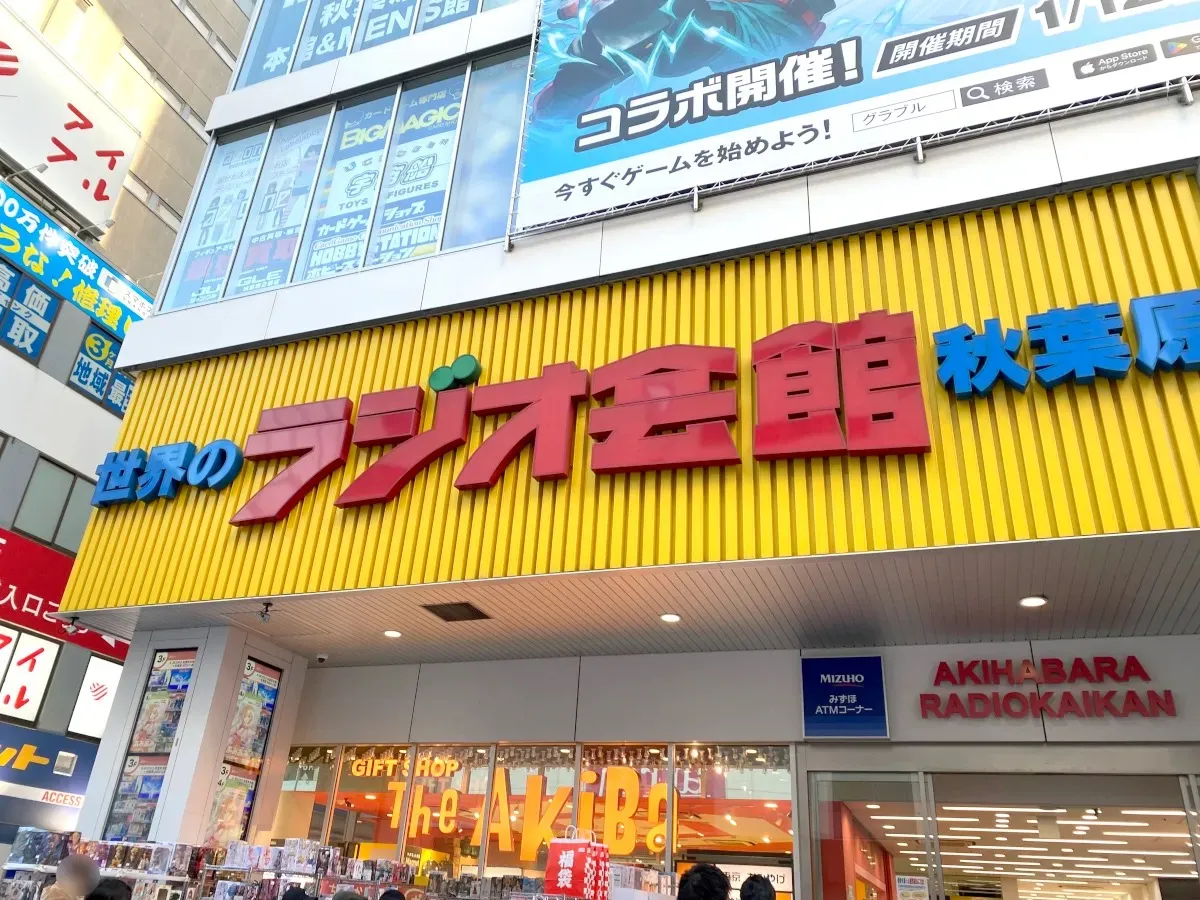
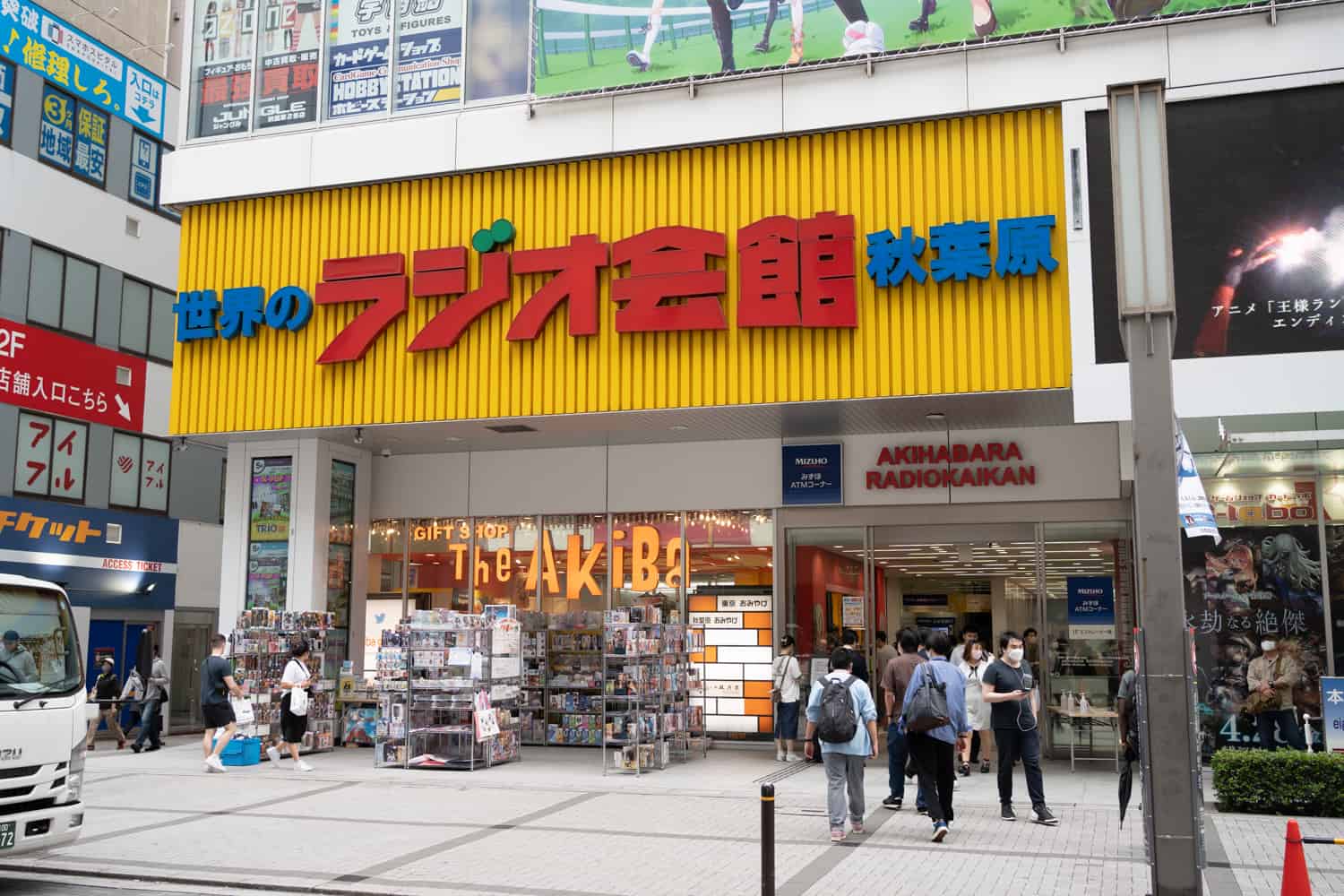
Stand near the main street entrance to capture the massive vertical signage and the steady stream of fans entering this iconic otaku landmark. This provides a classic backdrop for a tokyo anime tour while showcasing the district's dense verticality.
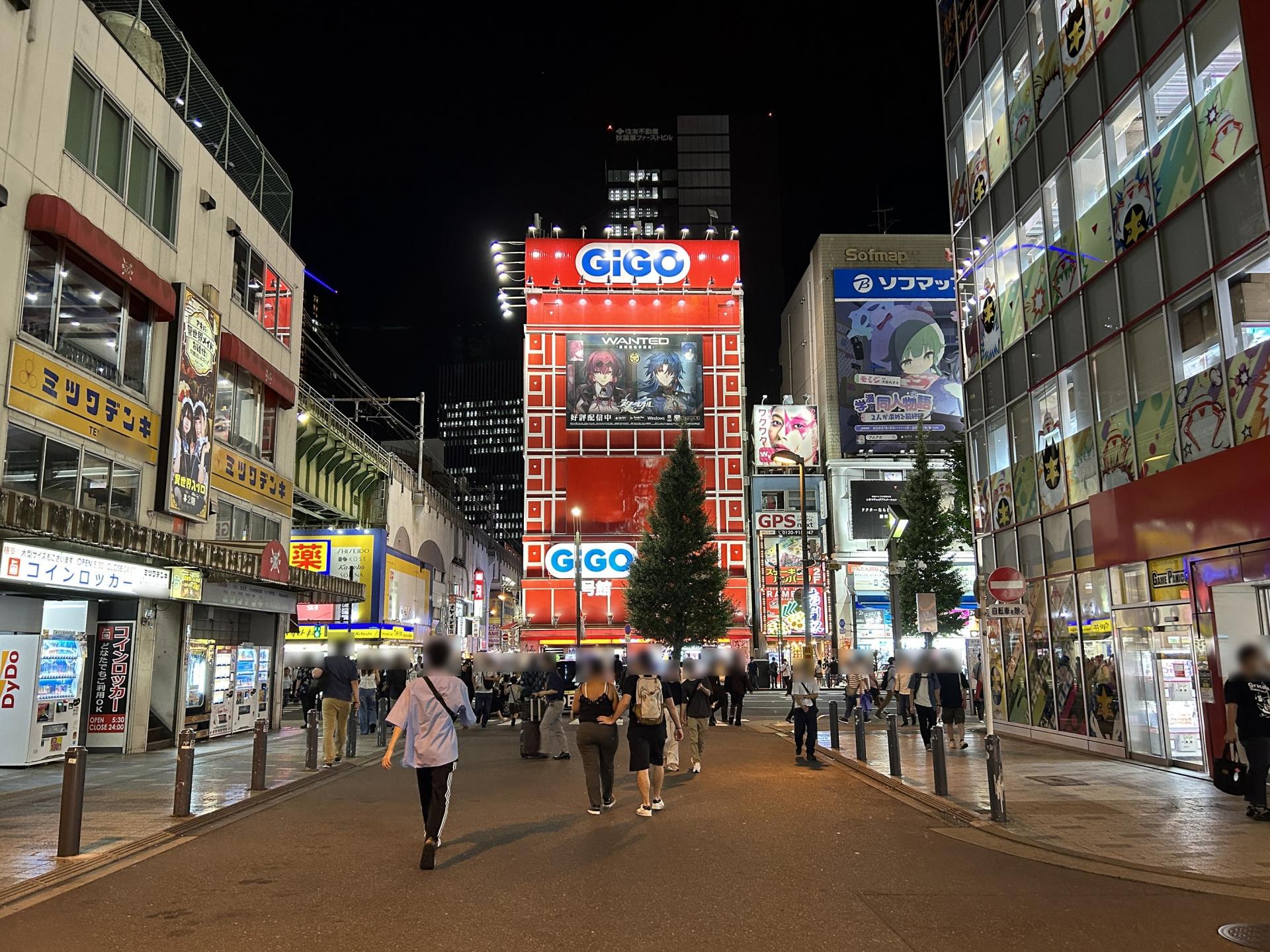
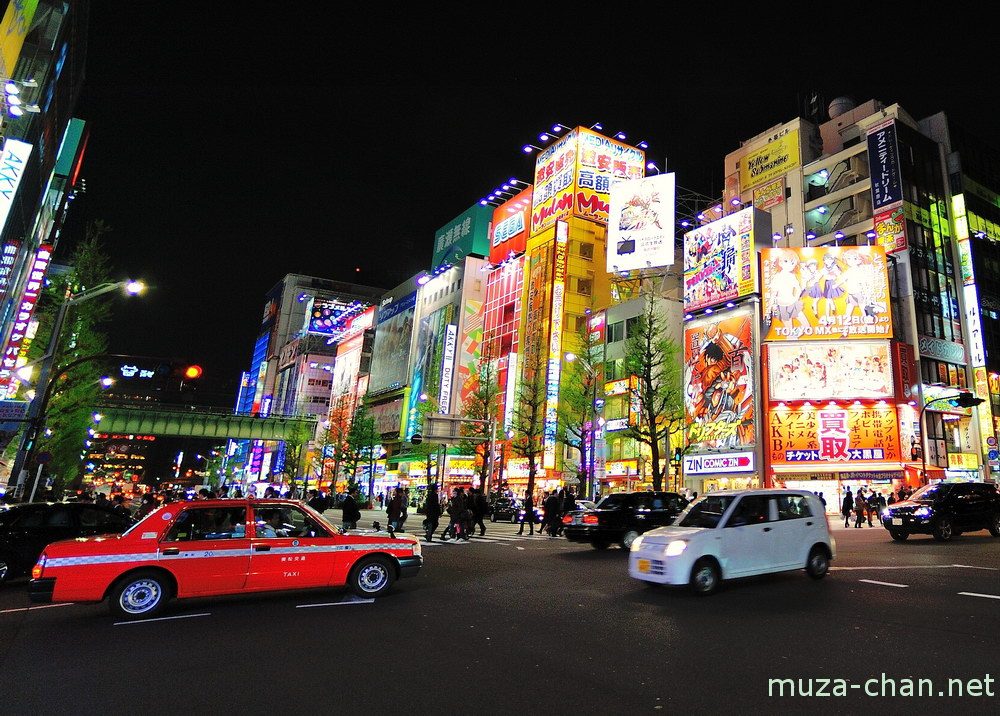
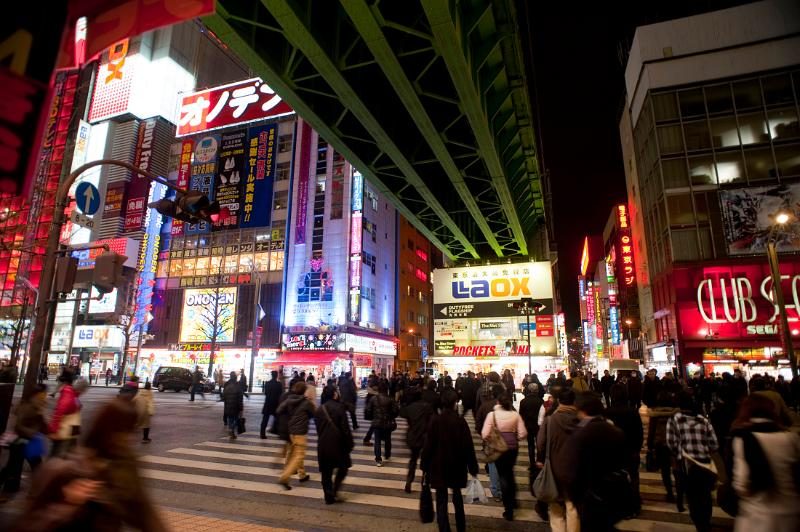
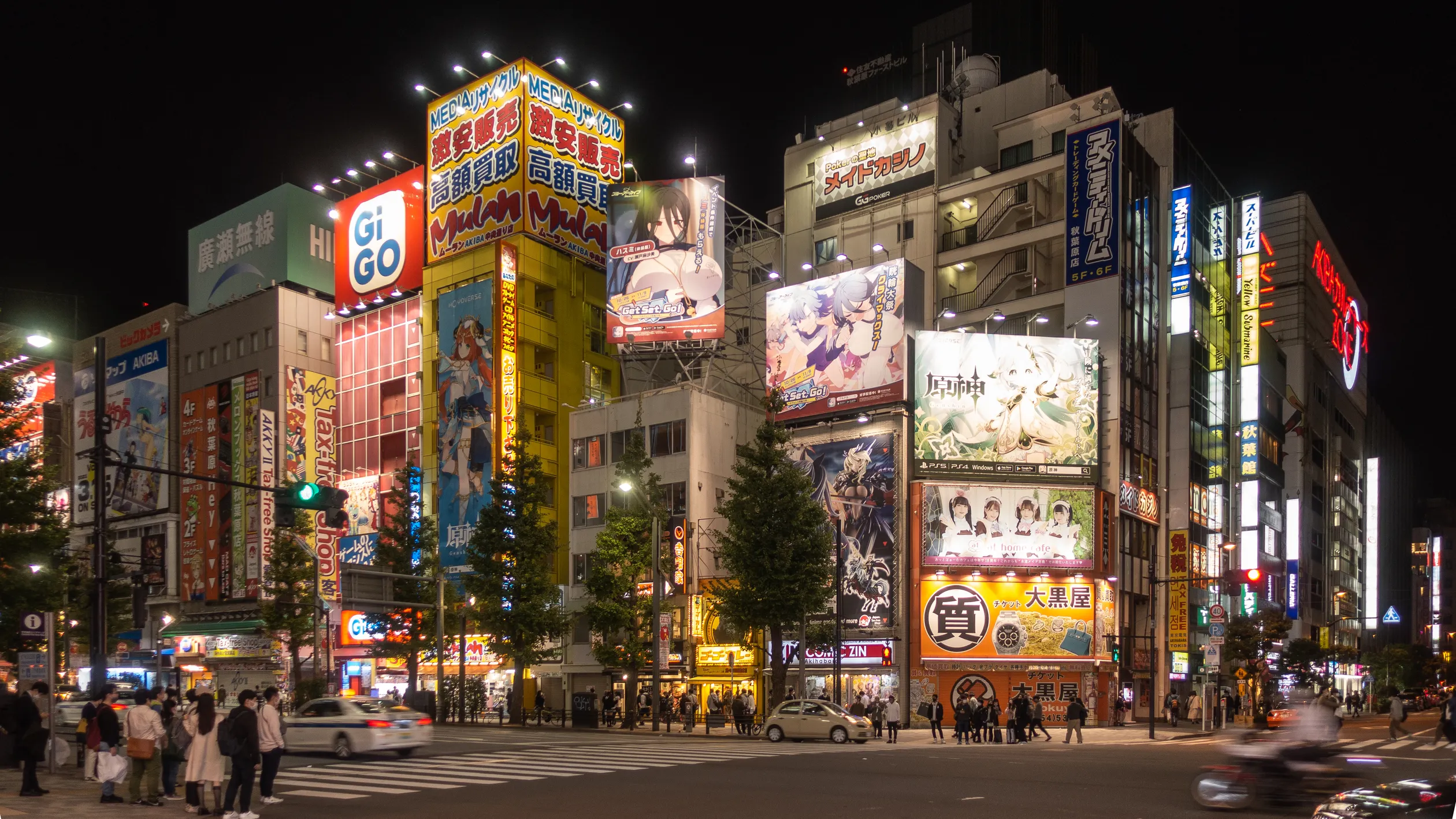
Position yourself near the Akihabara Station Electric Town exit to photograph the vibrant neon lights and giant displays spanning the buildings across the wide avenue. This intersection represents the core of local otaku culture and is perfect for capturing the scale of the area during a tokyo anime tour tour.
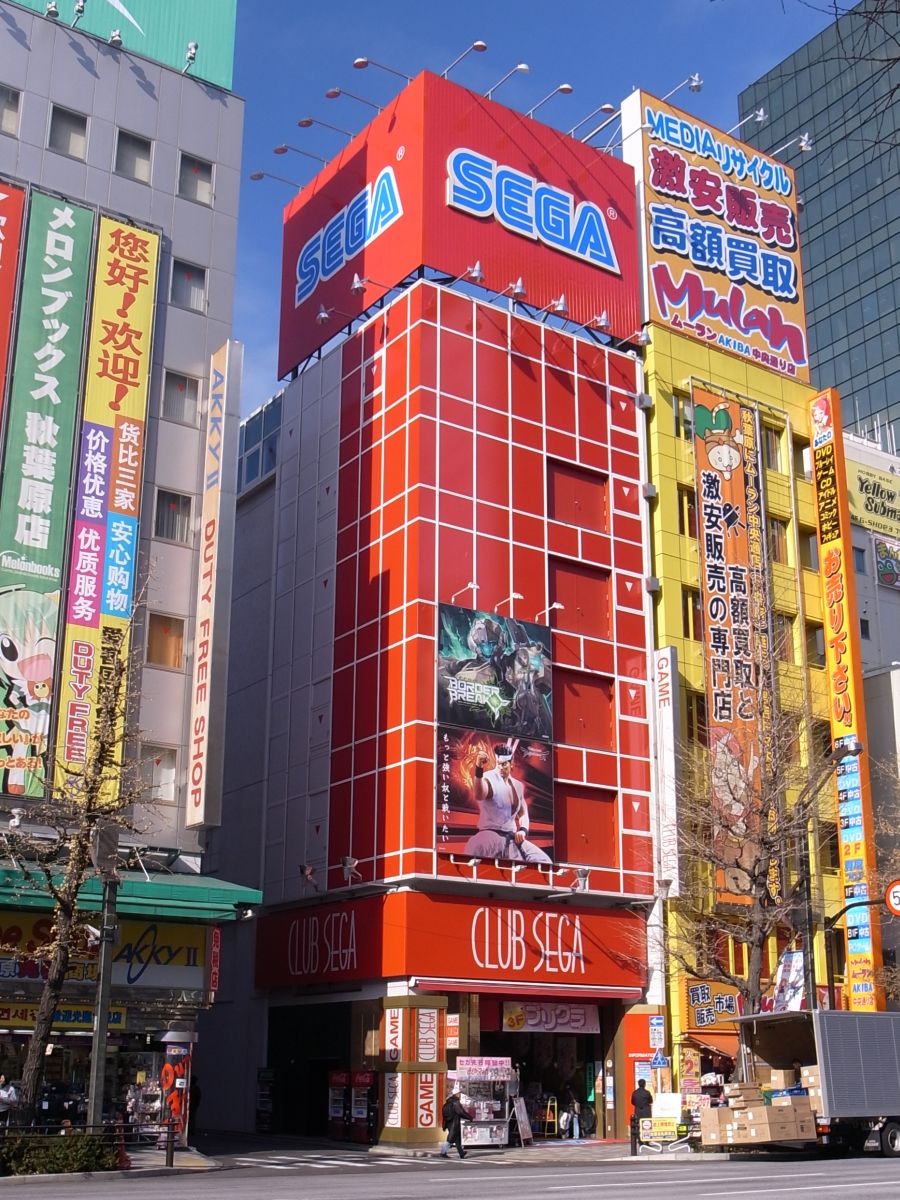
Capture the distinctive red facade and large digital screens often displaying promotional media for popular franchises. Framing the shot from the sidewalk across the street allows you to include the surrounding lively pedestrian traffic in your tokyo anime tour tours.
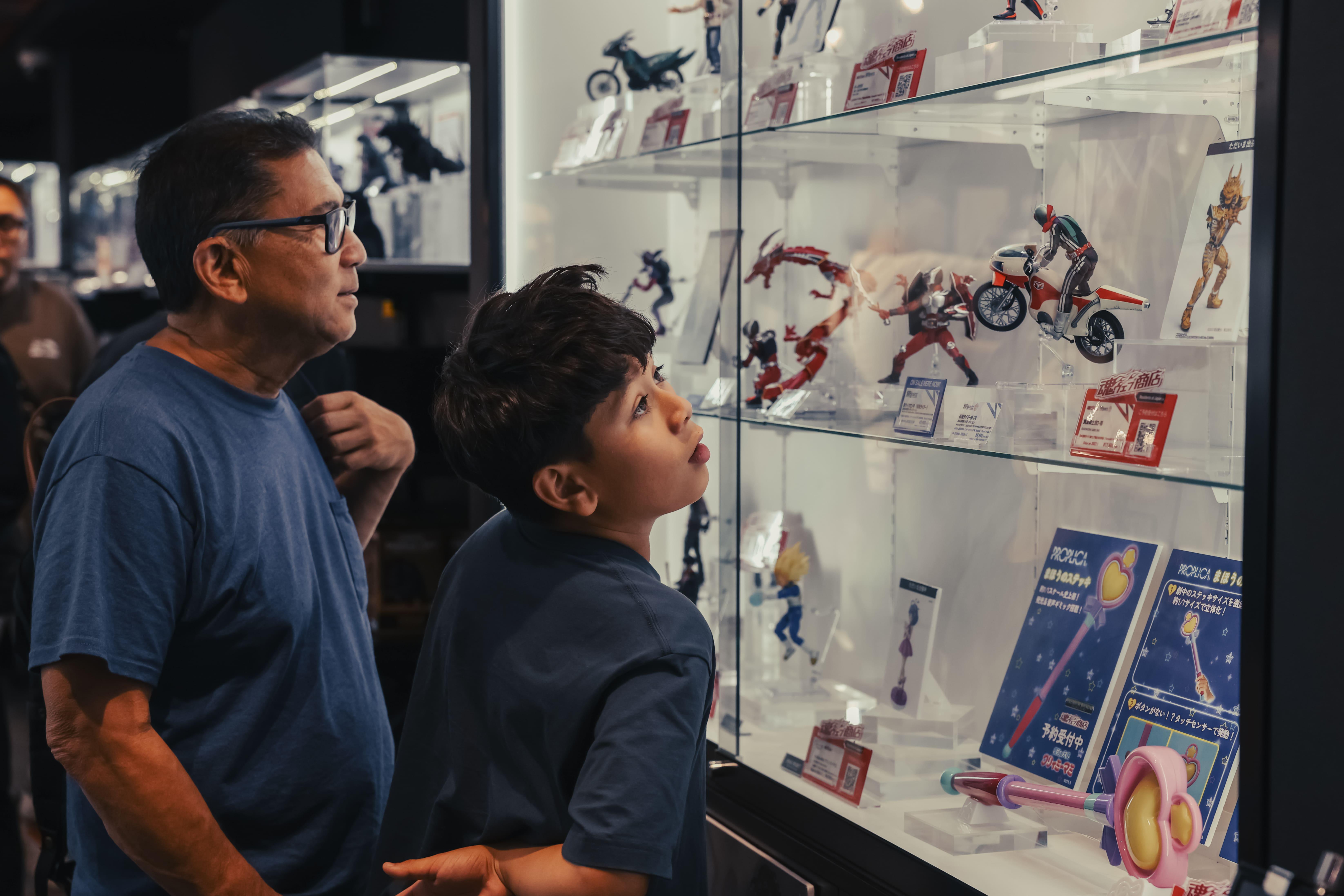
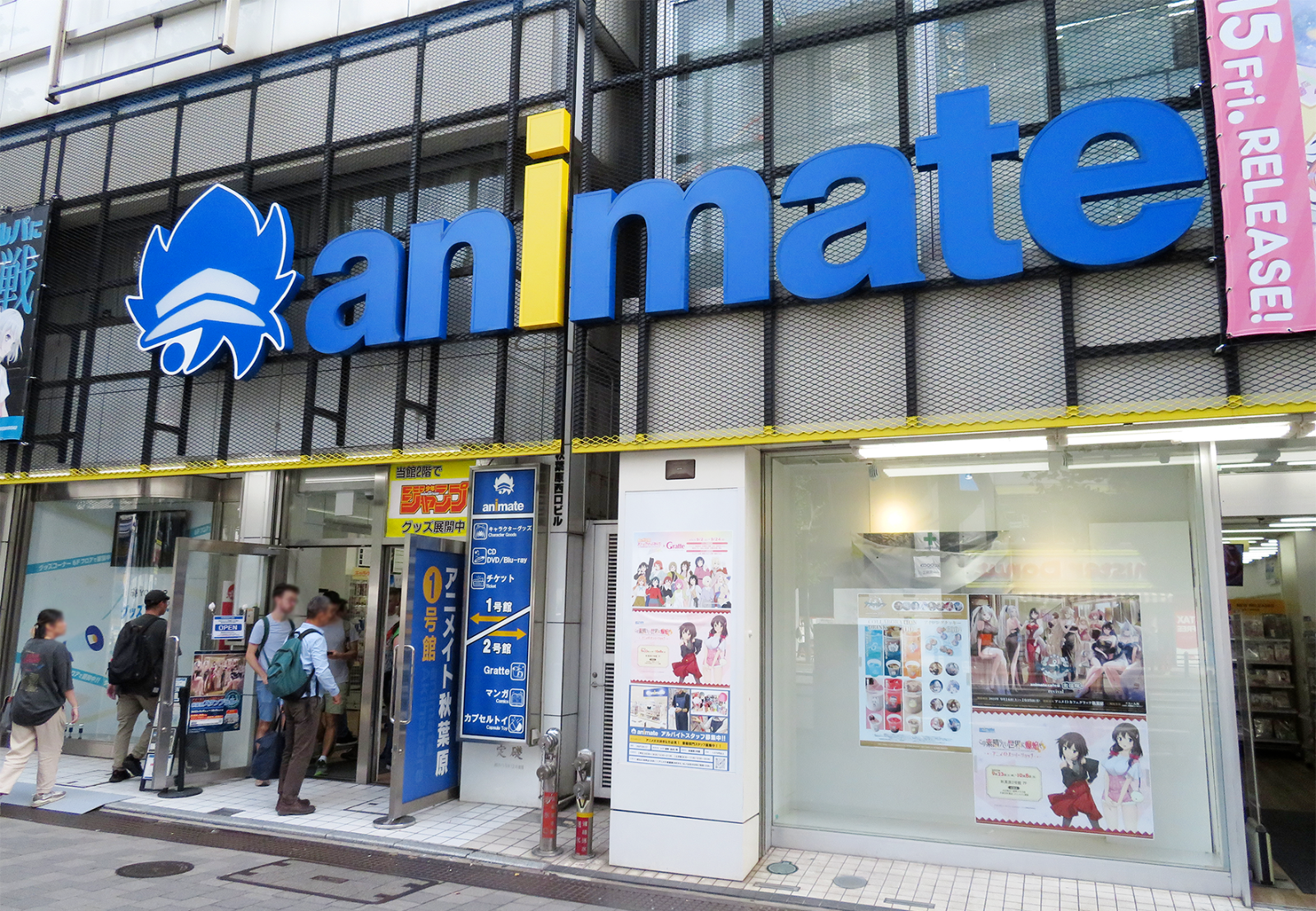
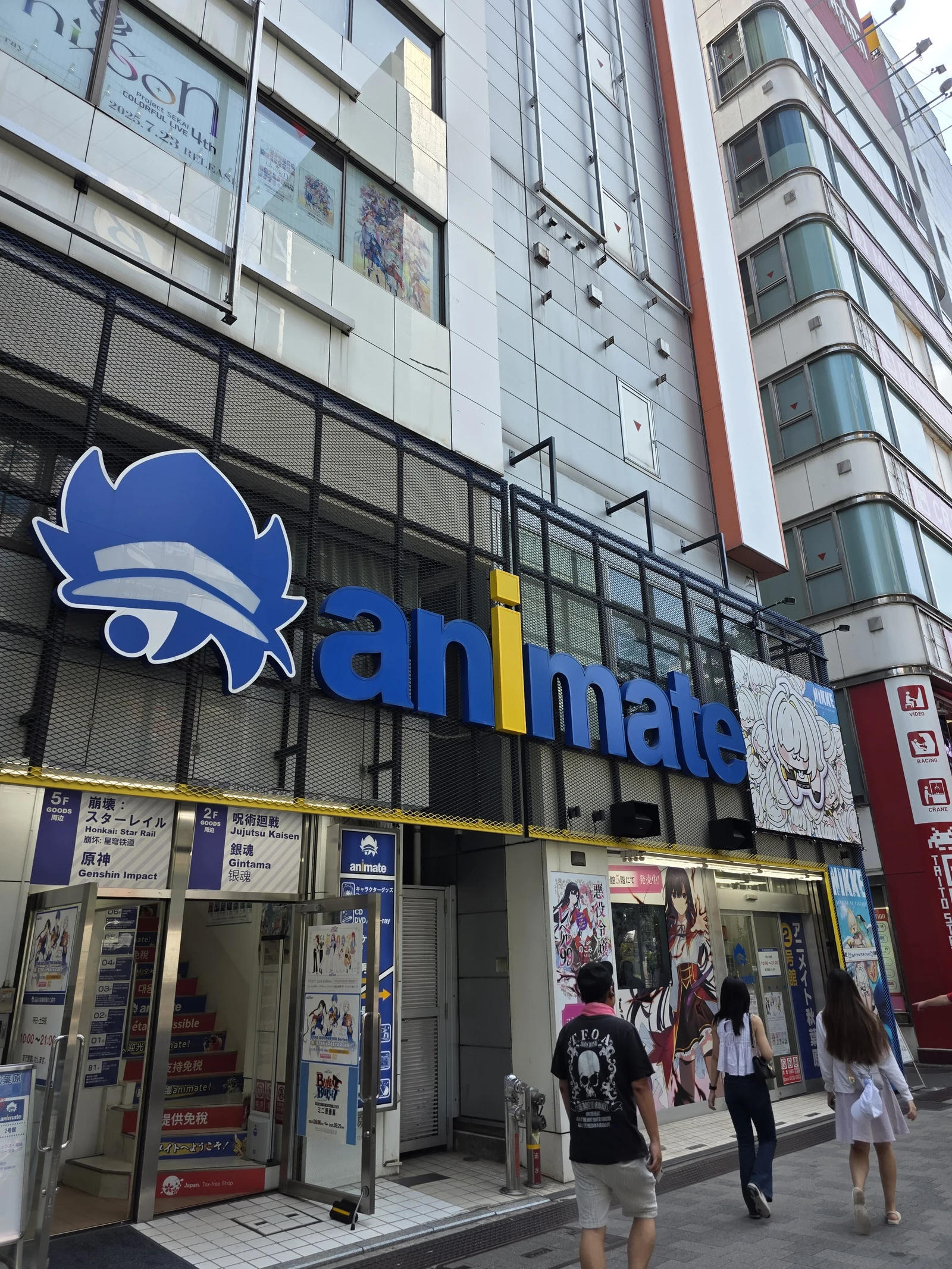
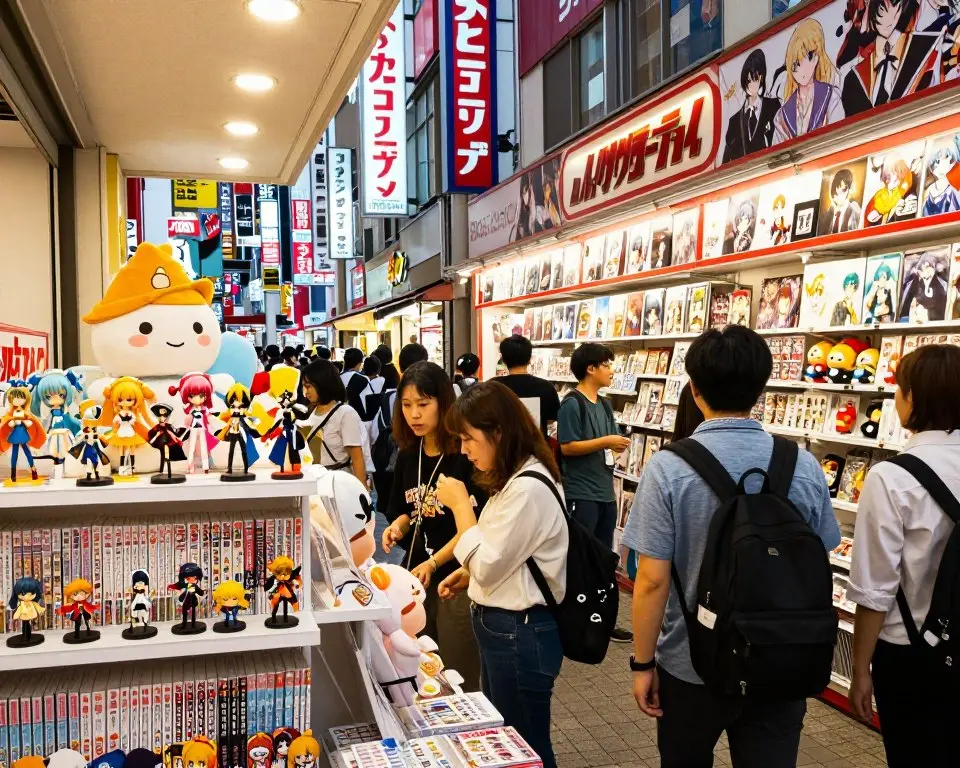
Focus on the storefront to capture the frequently updated window displays and large character banners that signal the current trends in the manga industry. It is a highly recognizable spot to document your visit with available tokyo anime tour tickets for special events.
Finding a meal near your tokyo anime tour is part of the immersive experience, with countless themed establishments and casual eateries filling the district. Visitors can easily plan a stop at these popular spots while exploring the vibrant Akihabara electric town landscape.
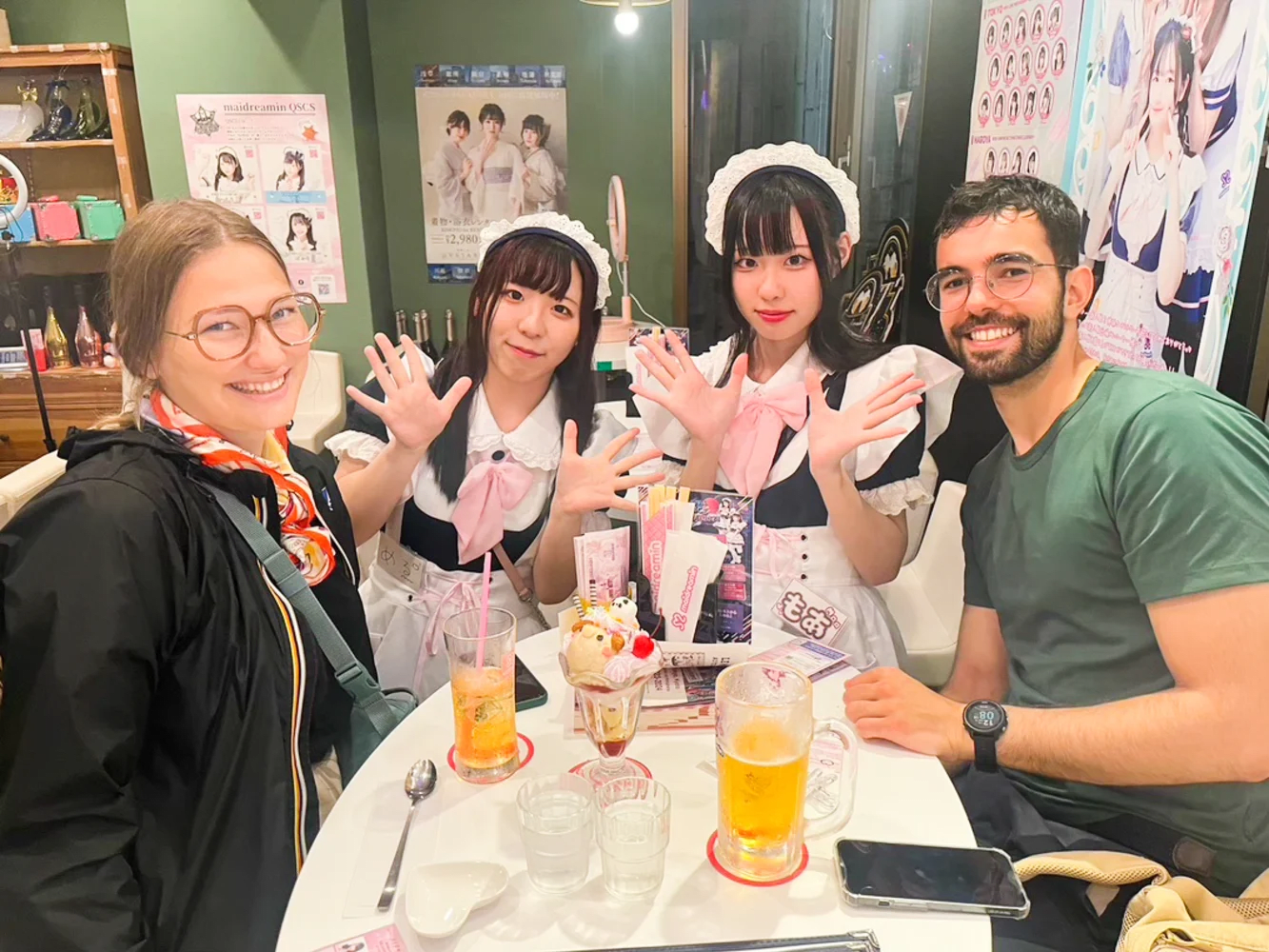
This iconic venue offers a classic otaku culture experience with interactive service and cute food presentations. It is a central hub for those seeking the quintessential maid cafe atmosphere.
Located near the station, this space features rotating menus based on popular game franchises. Reservations are recommended for this tokyo anime tour tours highlight.
A local favorite known for its rich tonkotsu broth and variety of toppings. It serves as a perfect quick stop for travelers needing energy between shop visits without requiring tokyo anime tour tickets.
While sites evolve, nearby snack counters often host pop-up collaborations relevant to your tokyo anime tour tour itinerary. Check local listings for the latest character-themed seasonal offerings.
Real experiences from real travelers
Our guide knew every hidden gem in Akihabara's anime district. We visited six floors of rare manga, a maid cafe where staff performed a short skit, and a retro game arcade near the station. The tour tickets included a collectible badge set.
The tokyo anime tour covered both major retailers and smaller specialty shops I would have missed on my own. Our guide explained the history of Electric Town and how it transformed into an anime hub. We spent about fifteen minutes in a capsule toy shop with hundreds of gacha machines.
I joined this tour with visiting friends and appreciated the structured route through Chuo Dori. The guide pointed out current anime trends and explained cultural context behind character merchandise. We stopped at a figure photography studio where you can rent backdrops.
The tokyo anime tour tours provided a good overview of Akihabara's main attractions. We visited three multi-story shops, a themed cafe, and learned about upcoming anime releases. Only wish we had more free time to browse independently at each stop.
Our guide shared tips on finding limited edition releases and explained the difference between various anime retailer chains. The tour took us through back streets where smaller doujinshi shops operate. Perfect for collectors seeking specific series merchandise.
The afternoon slot allowed us to see Akihabara in natural daylight before the neon signs illuminated at dusk. Our group of eight moved efficiently between locations. The guide's recommendations for post-tour shopping were spot-on.
This tokyo anime tour ticket gave us access to a members-only trading card shop on the seventh floor of a building I would have walked past. The guide explained ongoing collaborations between anime studios and local retailers. We saw exclusive promotional displays for upcoming film releases.
The tour balanced popular mainstream anime shops with niche stores focused on specific genres. Our guide answered questions about import regulations and shipping options for international visitors. We stopped at a small gallery featuring original animation cels.
Cold December weather made the indoor-focused route ideal. We explored connected buildings without spending much time outside. The guide showed us a floor dedicated to vintage anime merchandise from the 1980s and 90s. Learned about the evolution of character design.
Beyond just shopping locations, the guide explained how Akihabara became Tokyo's anime and manga center. We visited the site where early electronics shops first opened before the area transformed. The tour included a stop at a small museum exhibit documenting this history.
Everything you need to know for your journey
Most shops open around 10:00 or 11:00, though the Akihabara district public areas are accessible 00:00–23:59.
Entrance fee is 0 JPY as the district is a public area.
You can reach the tokyo anime tour area via the JR Yamanote, Keihin-Tohoku, or Hibiya lines to Akihabara Station.
Yes, families are welcome in the tokyo anime tour district, which features many arcades and character shops.
Photography is allowed in the streets of the tokyo anime tour district, but check individual shop rules.
The best arrival window is 10:00–18:00 when all shops and themed cafes are fully active.
Yes, lockers are available at Akihabara Station for convenience during your tokyo anime tour.
Yes, there are many restaurants and themed cafes located throughout the tokyo anime tour district.
Most buildings in the tokyo anime tour district have elevators, though small alleyway shops may have limited access.
Bring comfortable shoes, a portable charger, and cash for your tokyo anime tour.
Historic shrine known for IT talismans
Futuristic capsule hotel near the station
Join thousands of happy travelers who have discovered this incredible experience
Book Your Experience Now