English| EUR
Suggested for you
More currencies
Book Now
Open today · 00:00–23:59

Tokyo Anime Walking Tour

Tokyo Anime Walking Tour — Akihabara's Otaku District

Expert-led routes through anime shops and arcades, instant mobile confirmation

50K+ travelers chose this
Free Cancellation
Right now: Moderate — weekday business hours Check local shop signage for specific holiday deviations.
Free Cancellation
Instant confirmation Mobile voucher Free cancellation Verified partner Skip-the-line
5M+
Annual visitors
Attracted to the district annually
0 JPY
Entrance fee
Free entry to the district
10:00–18:00
Best arrival window
Optimal for browsing shops and arcades
1000+
Electronics heritage
Original density of district stores
Choose your ticket

Tokyo Anime Walking tickets at a glance

Compare fares, pick the fit — all bookings are mobile-voucher and eligible for free cancellation where shown.

Akihabara Anime & Gaming Walk with Arcade Play 1 hr 30 min
Standard Entry

Akihabara Anime & Gaming Walk with Arcade Play

4.9 (49)
€38
  • Entry ticket
  • Mobile voucher
  • Valid same day
  • Free cancellation
Book this ticket
Akihabara Anime & Gaming Adventure Tour 3 hr
Standard Entry

Akihabara Anime & Gaming Adventure Tour

4.6 (83)
€47
  • Entry ticket
  • Mobile voucher
  • Valid same day
  • Free cancellation
Book this ticket
Compare options

Compare Tokyo Anime Walking ticket options

Navigating the vibrant streets of the otaku capital is best done with a local guide; choosing the right tokyo anime walking tour ensures you decode the neighborhood's unique subculture with ease. These professional guided experiences offer varying levels of intimacy, ranging from shared small-group explorations to fully customizable private itineraries.

Top pick
Small Group Tour (Shared Experience)
Private Custom Tour (Tailored Experience)
Access Method Guided Walk
Group Size Exclusive to your group
Itinerary Fully personalized route
Maid Café Included Flexible (As requested)
Best for Deep dives and specific interests

Verdict: Choose the small-group tokyo anime walking tour for a social introduction to district landmarks, or select the private option for a custom tokyo anime walking tour tour tailored to your specific fandoms and shopping tokyo anime walking tour tickets goals.

Is Tokyo Anime Walking worth it?

Worth it for anime fans and cultural explorers

A tokyo anime walking tour delivers genuine value for visitors wanting curated access to Akihabara's dense otaku landscape. The district itself is free to explore, but guided options—ranging from maid cafe experiences to arcade play sessions—add context that self-guided wandering often misses. Tours typically run 2–4 hours and include entry to specialty shops, gaming centers, and themed cafes that can be intimidating to navigate alone. The pedestrian-friendly layout makes Akihabara ideal for walking, and expert guides unlock hidden floors, recommend figure collections, and explain subculture nuances that aren't obvious from storefronts. Best value comes from tours pairing manga shops with arcade play or maid cafe visits, giving you both cultural immersion and hands-on entertainment. Solo explorers comfortable with Japanese signage can self-navigate, but first-timers and anime enthusiasts gain measurable advantage from structured routes through the district's six-story arcades and collector-focused retailers.

What makes it worth it

  • Expert guides reveal hidden shops and subculture context
  • Includes arcade play or maid cafe access
  • Pedestrian-friendly district perfect for walking exploration
  • Curated stops save time in dense retail landscape
  • Group tours offer social experience with fellow fans

Keep in mind

  • District is free to explore independently
  • Weekday afternoons less crowded than guided slots
  • Some tours skip niche collector shops
  • Maid cafe experiences may feel uncomfortable for some

Bottom line: Book a tokyo anime walking tour if you want efficient, contextual access to Akihabara's layered otaku culture—skip it only if you're fluent in Japanese retail navigation and prefer solo exploration.

Head to head

Tokyo Anime Walking Tour vs Self-Guided Akihabara Exploration — Which Is Better?

They complement each other; most visitors who do both find the organized tokyo anime walking tour provides superior context, while self-guided discovery offers unmatched freedom.

Top pick
Guided Tour
Self-Guided
Expert Insight
Navigation Efficiency
Cost
Depth of Information
Flexibility
Access to Hidden Gems

Verdict: Choose the expert-led tokyo anime walking tour if you prefer deep cultural narratives, or opt for self-guided exploration to enjoy your own pace while browsing the district landmarks.

Featured Experiences

Popular Tokyo Anime Walking tours & activities

Hand-picked experiences loved by thousands of travelers

Recommended Experience

Powered by GetYourGuide

Another traveler favorite

Powered by GetYourGuide
Akihabara Anime & Gaming Shopping Tour 2 hours Free Cancellation

Akihabara Anime & Gaming Shopping Tour

Navigate Tokyo's otaku paradise with a local guide who knows where to find the best collectibles and rare finds

5 (28)
FromFrom €34.47
See details
Akihabara Anime Shopping Tour with Expert Guide 2 hours Free Cancellation

Akihabara Anime Shopping Tour with Expert Guide

Navigate Tokyo's legendary otaku district with a knowledgeable guide who unlocks the best deals on manga, figures, and collectibles.

5 (14)
FromFrom €30.84
See details
Akihabara Anime & Otaku Culture Walking Tour 1.5 hours Free Cancellation

Akihabara Anime & Otaku Culture Walking Tour

Dive into Tokyo's electric pop culture district with a guide who reveals hidden collector shops and subculture stories.

4.6 (39)
FromFrom €24.42
See details
Akihabara Anime & Retro Gaming Tour with Maid Cafe Option 2 hours Free Cancellation

Akihabara Anime & Retro Gaming Tour with Maid Cafe Option

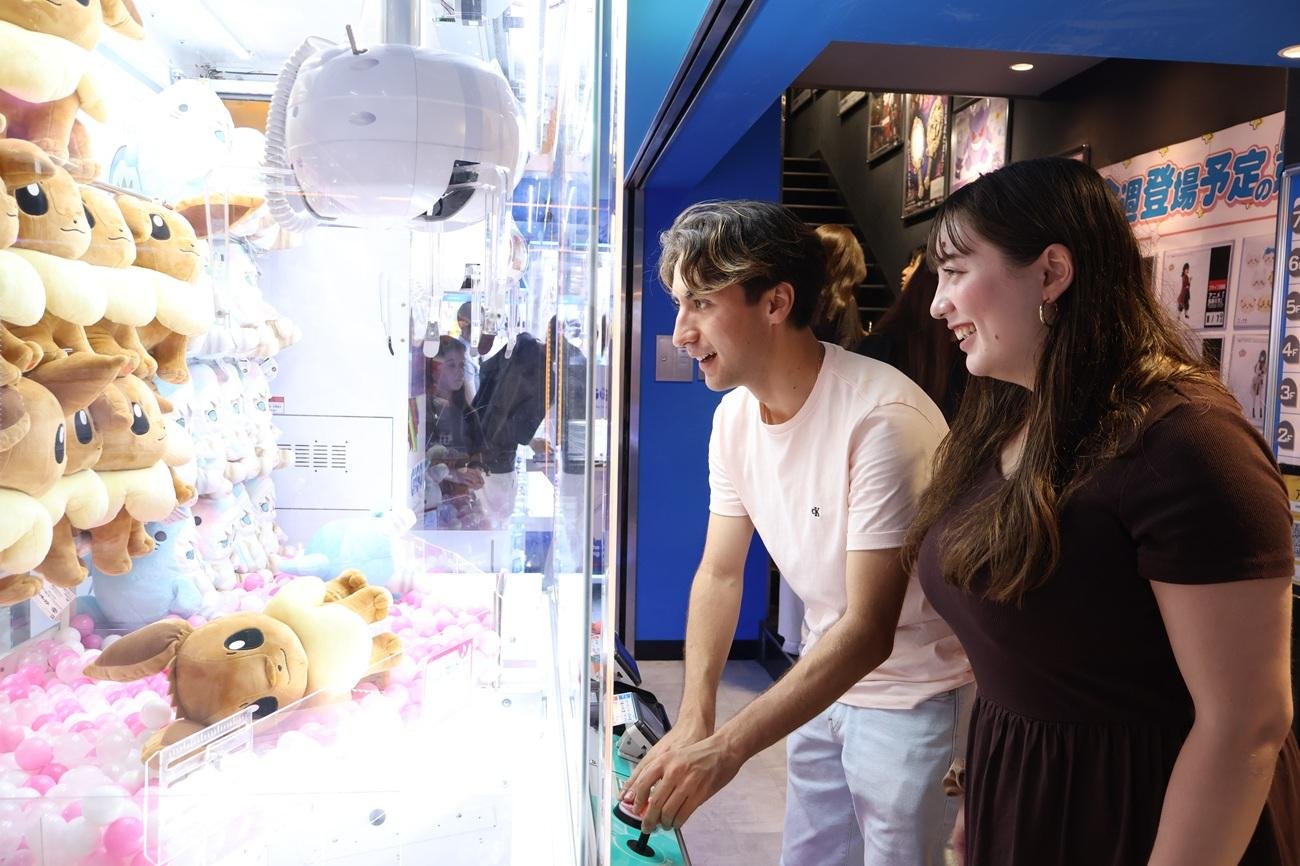
Dive into Tokyo's otaku capital with arcade gaming, manga shopping, and an optional maid cafe experience

5 (4)
FromFrom €38.37
See details
Akihabara Anime & Gaming District App-Guided Walk 2 hours Free Cancellation

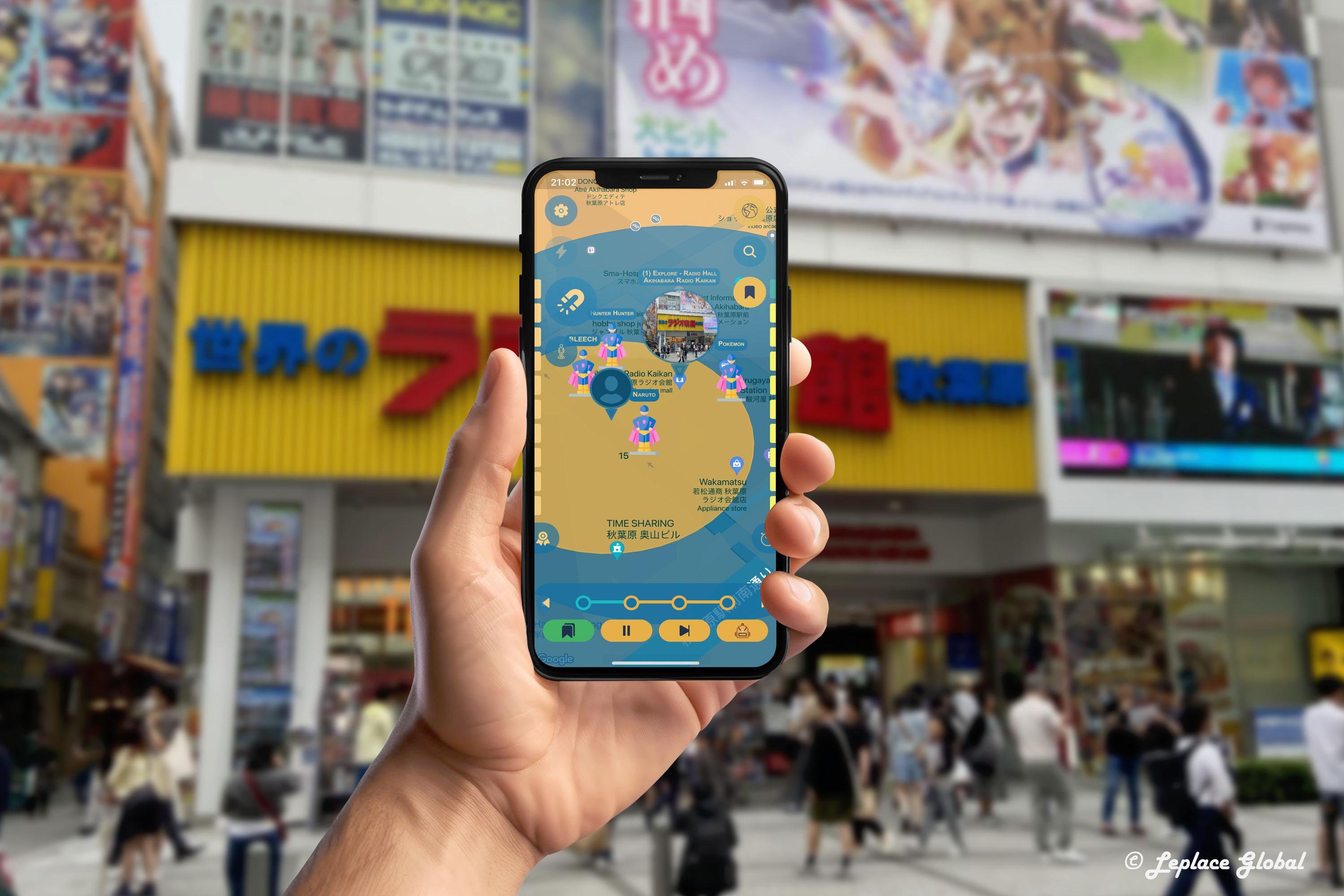
Akihabara Anime & Gaming District App-Guided Walk

Navigate Tokyo's electric town at your own rhythm through a smartphone-powered adventure in otaku culture

FromFrom €13.99
See details
Private Akihabara Anime & Gaming Walking Tour 2 hours Free Cancellation

Private Akihabara Anime & Gaming Walking Tour

Dive into Tokyo's electric town with a local guide who'll show you the best of anime, gaming, and otaku culture.

4.5 (11)
FromFrom €37.12
See details
Tokyo Triangle: Tsukiji, Asakusa & Akihabara Walking Tour 4 hours Free Cancellation

Tokyo Triangle: Tsukiji, Asakusa & Akihabara Walking Tour

Journey through Tokyo's past, present, and future in one unforgettable 4-hour adventure.

FromFrom €46.89
See details
Akihabara Anime & Gaming Walking Tour 5 hours Free Cancellation

Akihabara Anime & Gaming Walking Tour

Journey through Tokyo's electric pop culture heart, from retro treasure troves to neon arcade streets

5 (2)
FromFrom €78.15
See details
What you'll see

What you'll see at Tokyo Anime Walking

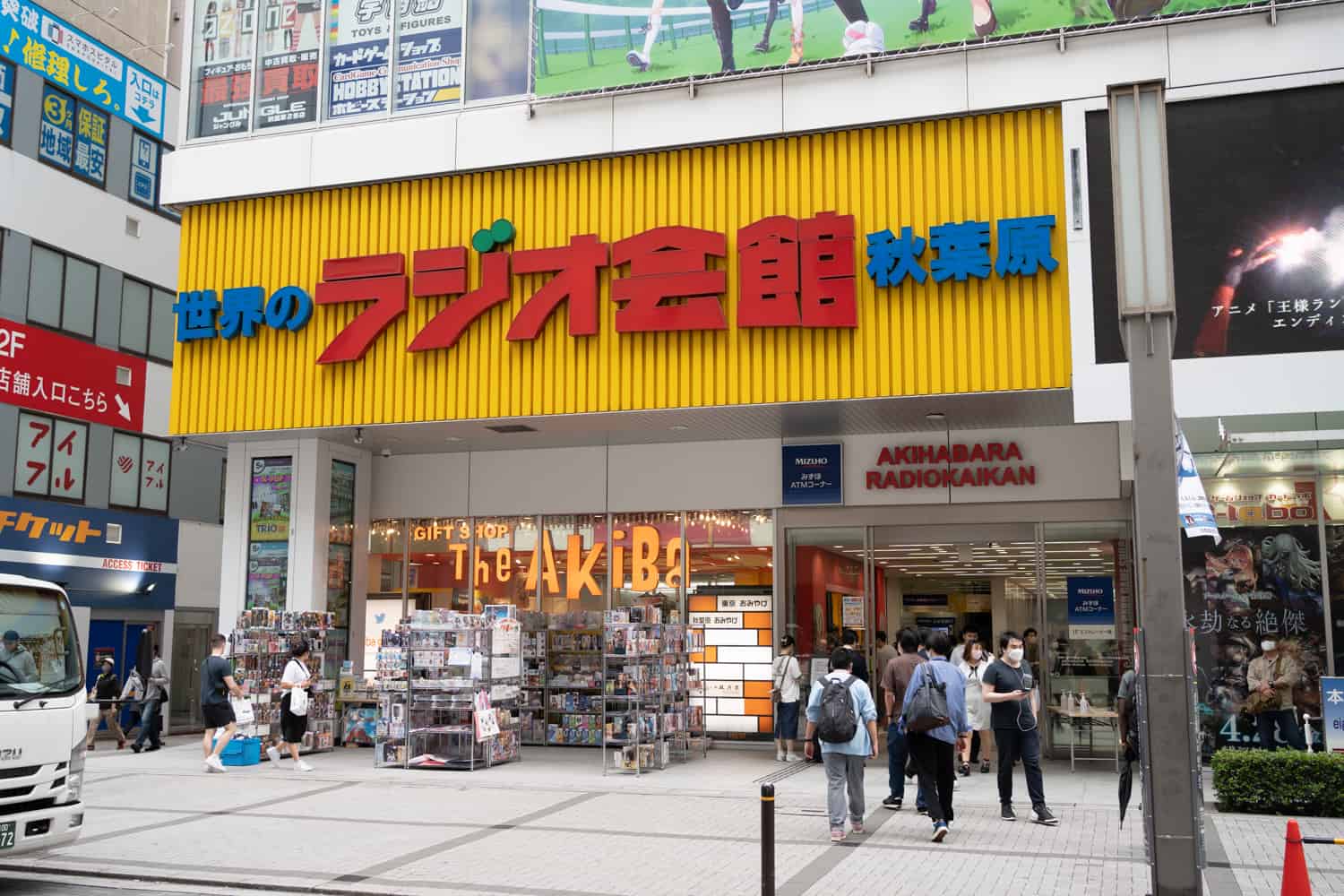
Radio Kaikan

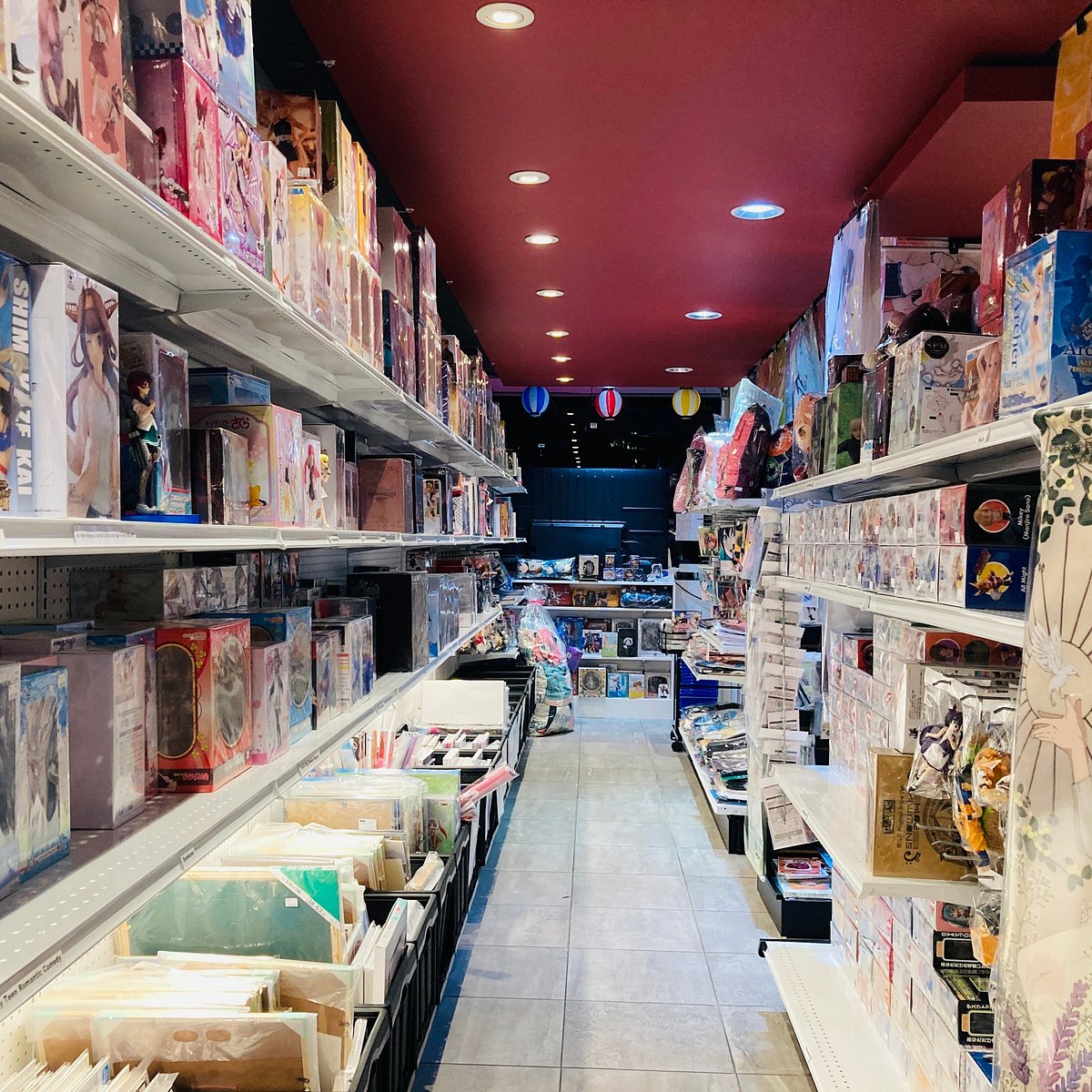
This ten-story tower is a hub for anime figures and collectibles, housing over 30 unique shops. It serves as an iconic starting point for any tokyo anime walking tour exploration.

This ten-story tower is a hub for anime figures and collectibles, housing over 30 unique shops. It serves as an iconic starting point for any tokyo anime walking tour exploration.

Modern glass building facade with bright anime signage

A historic site dating back to 730 AD that now embraces pop culture through anime-themed talismans. It remains a tranquil contrast to the electronic district.

A historic site dating back to 730 AD that now embraces pop culture through anime-themed talismans. It remains a tranquil contrast to the electronic district.

Traditional Japanese shrine entrance gate

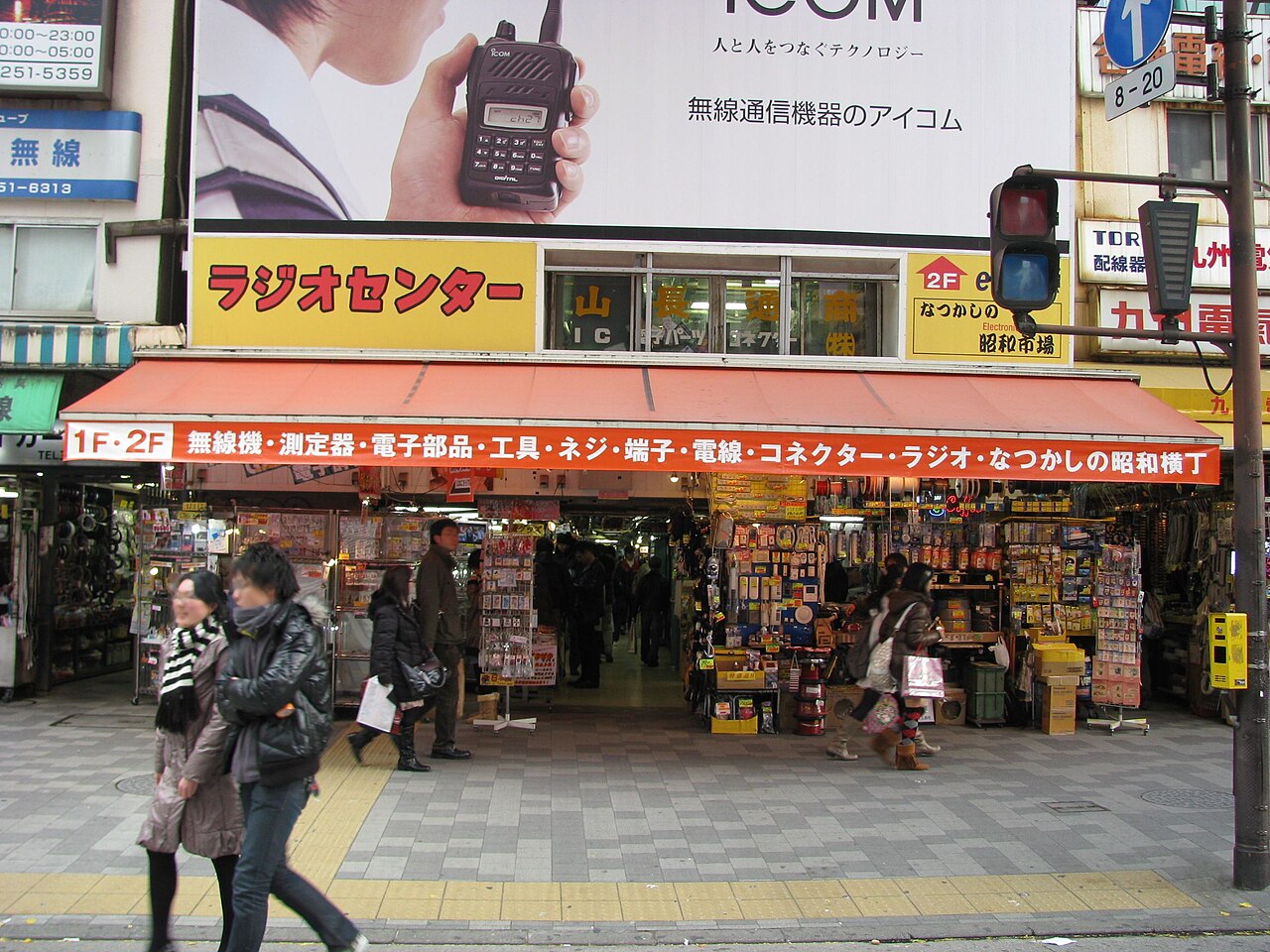
This dense bazaar contains tiny stalls selling vintage components and specialized electronics. It offers a rare look at the origins of the district's technological culture.

This dense bazaar contains tiny stalls selling vintage components and specialized electronics. It offers a rare look at the origins of the district's technological culture.

Cramped aisles of vintage electronic parts

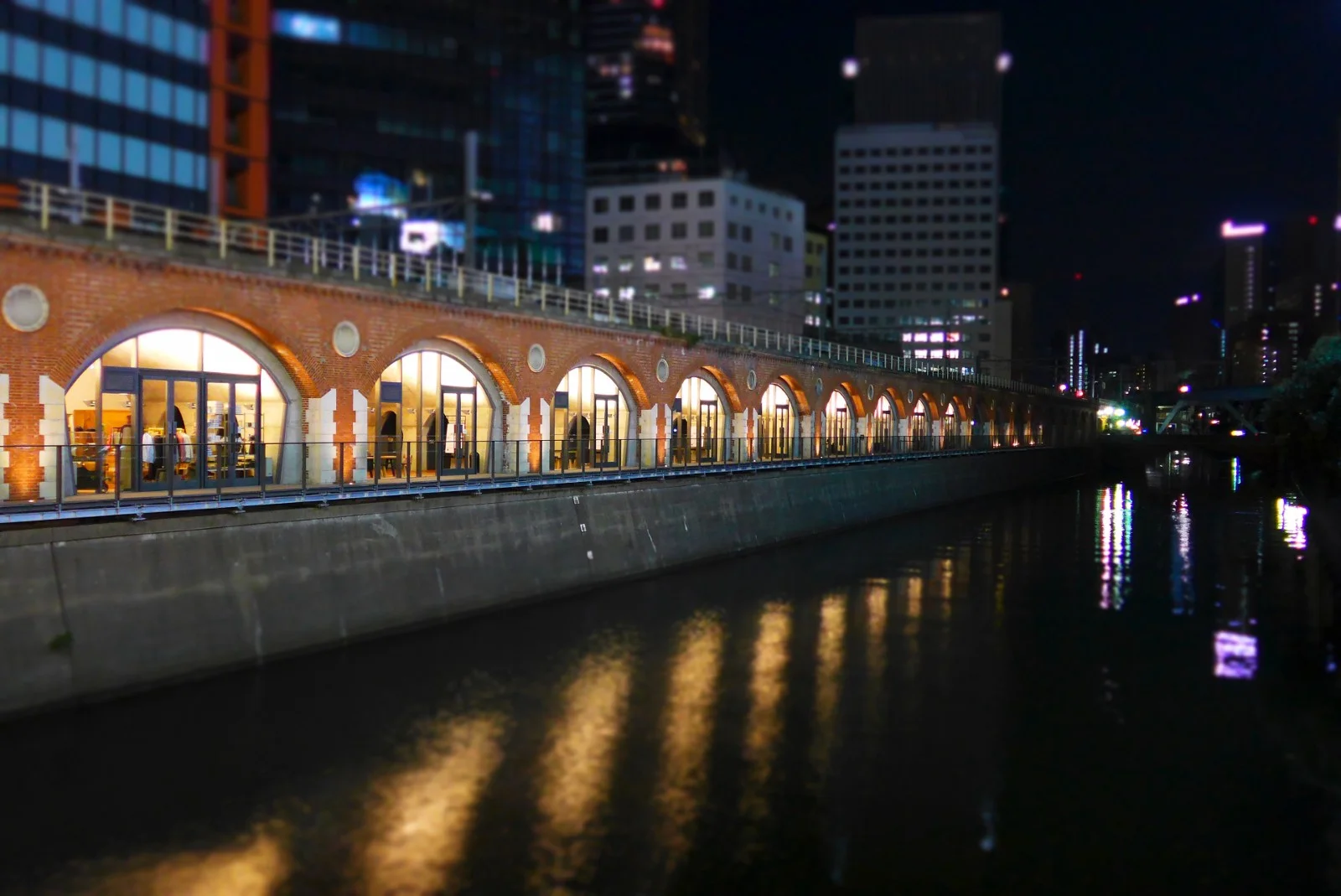
This red-brick bridge provides a scenic view over the Kanda River. It was renovated to include a cafe and exhibition space for local history.

Red brick bridge over canal

The experience

What visiting Tokyo Anime Walking is really like

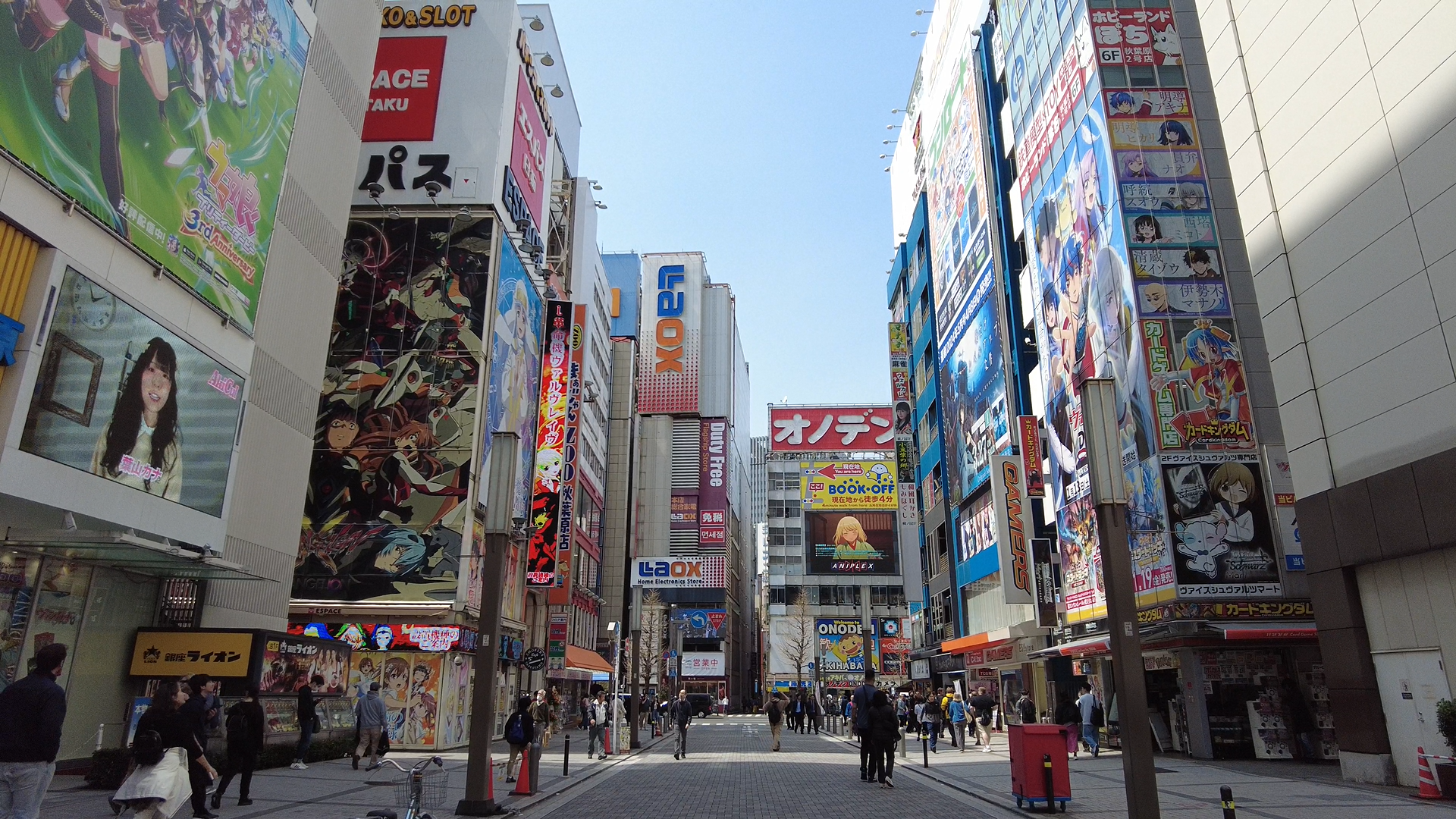
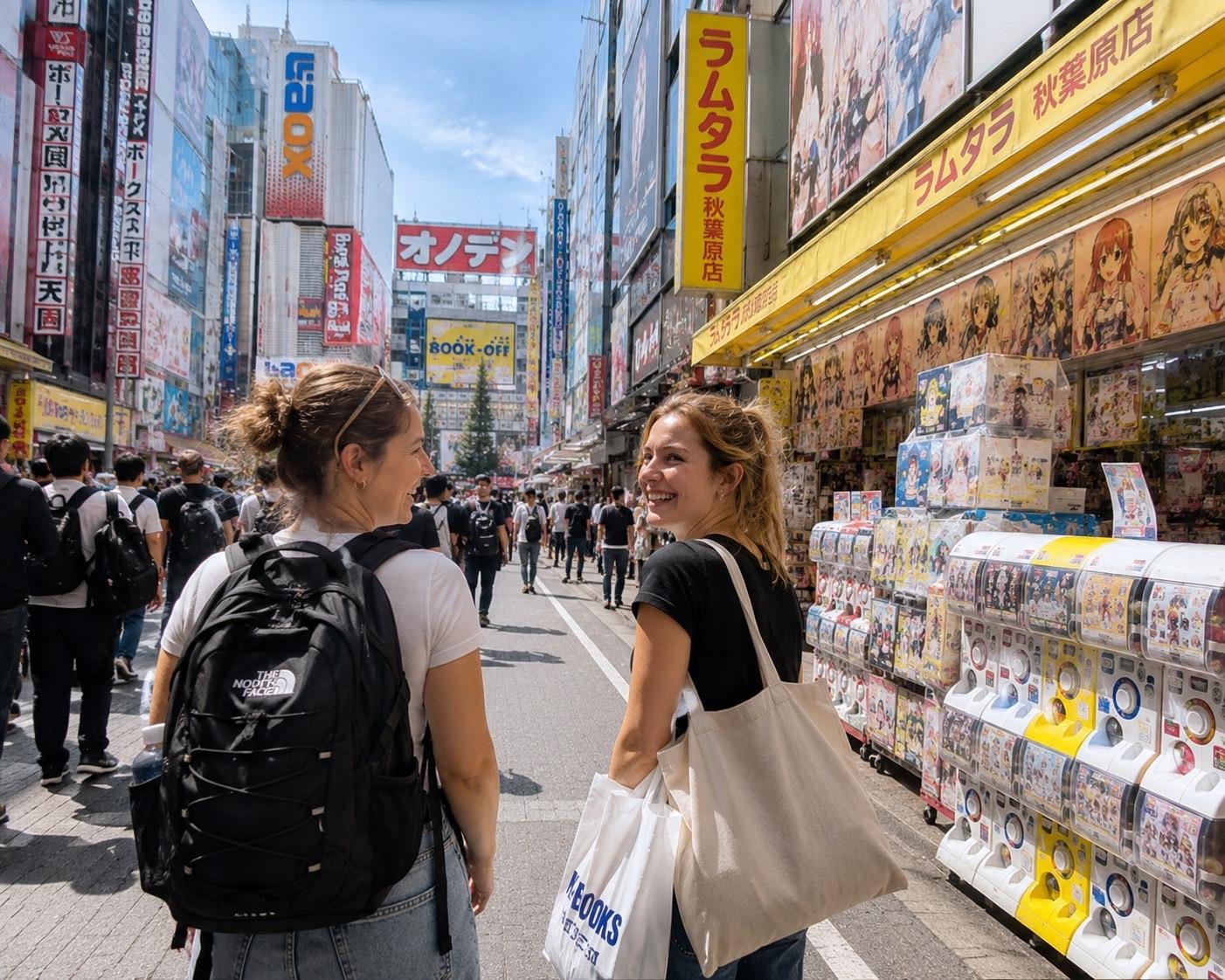
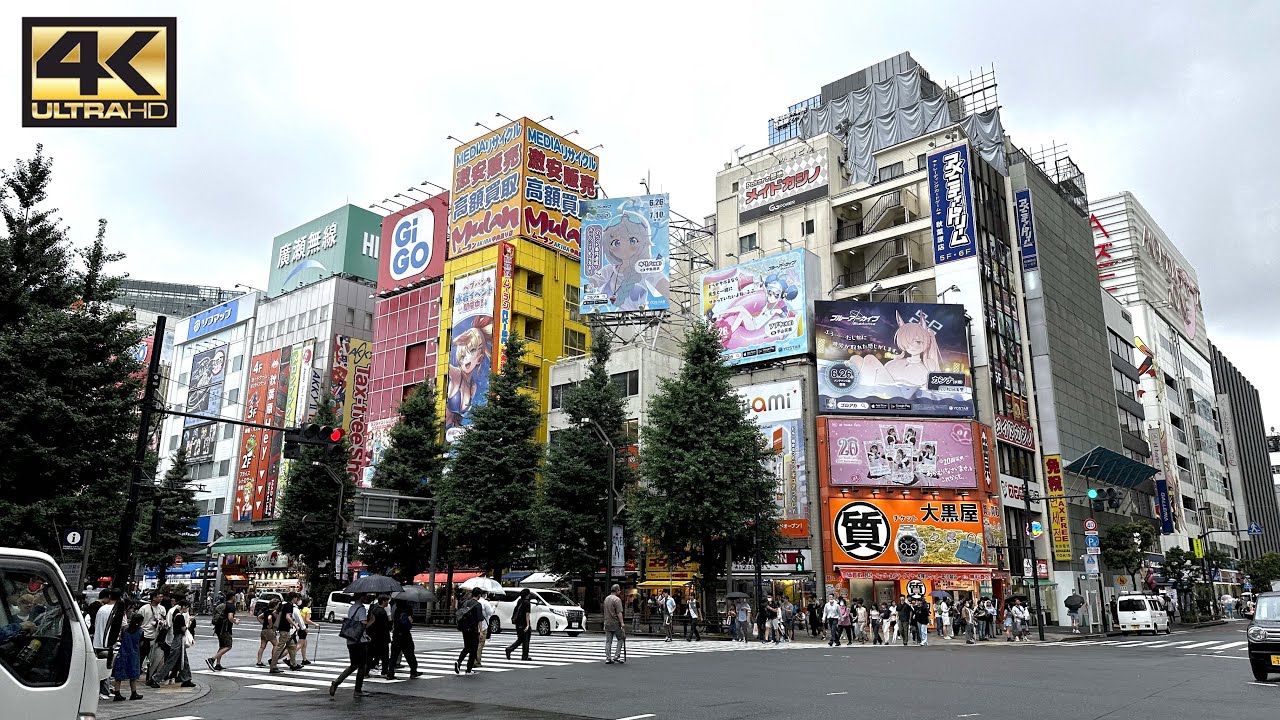
You arrive at the east exit of Akihabara Station midmorning, when the pedestrian scramble crossing fills with commuters and early shoppers navigating toward Chuo-dori.

Read more Show less

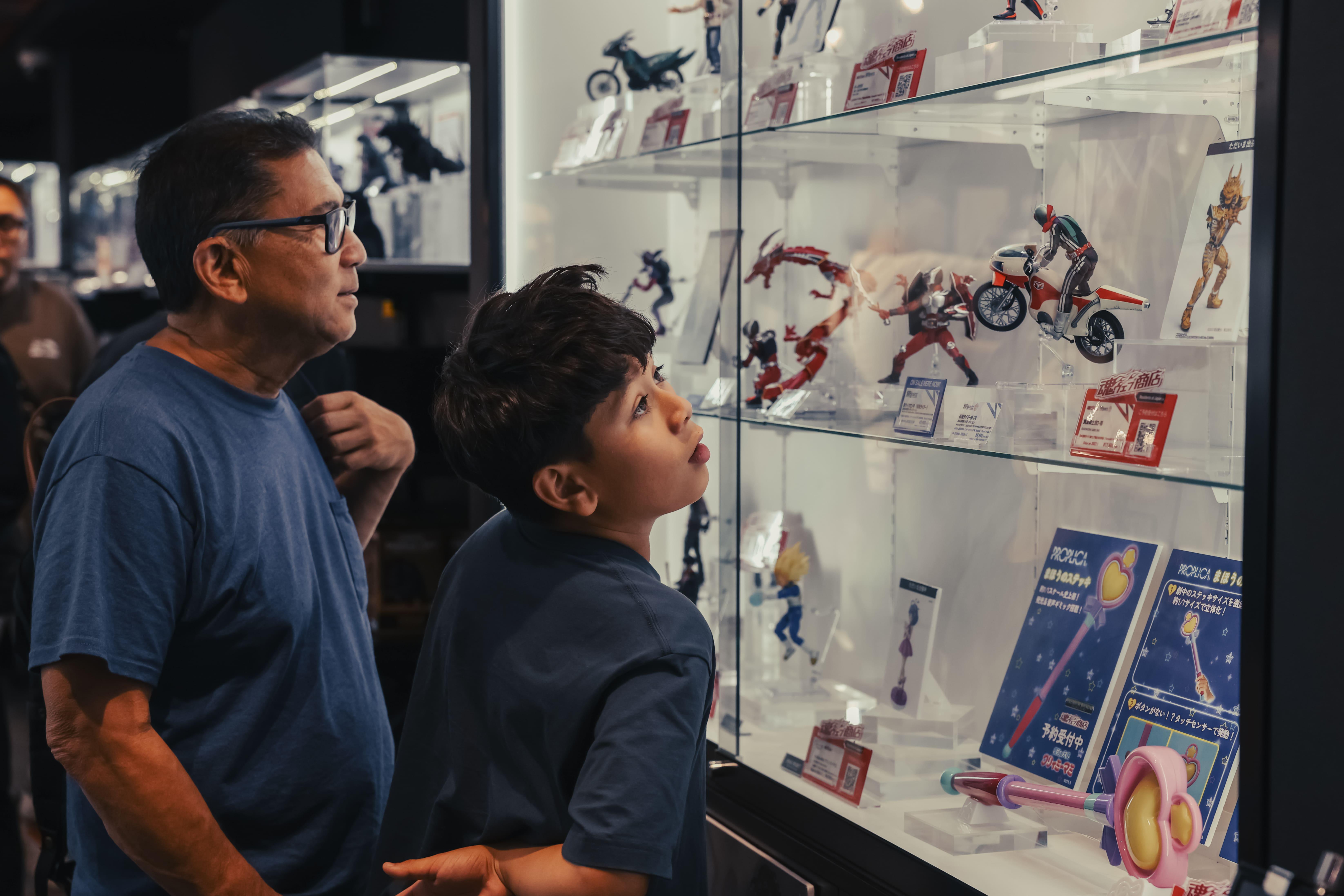
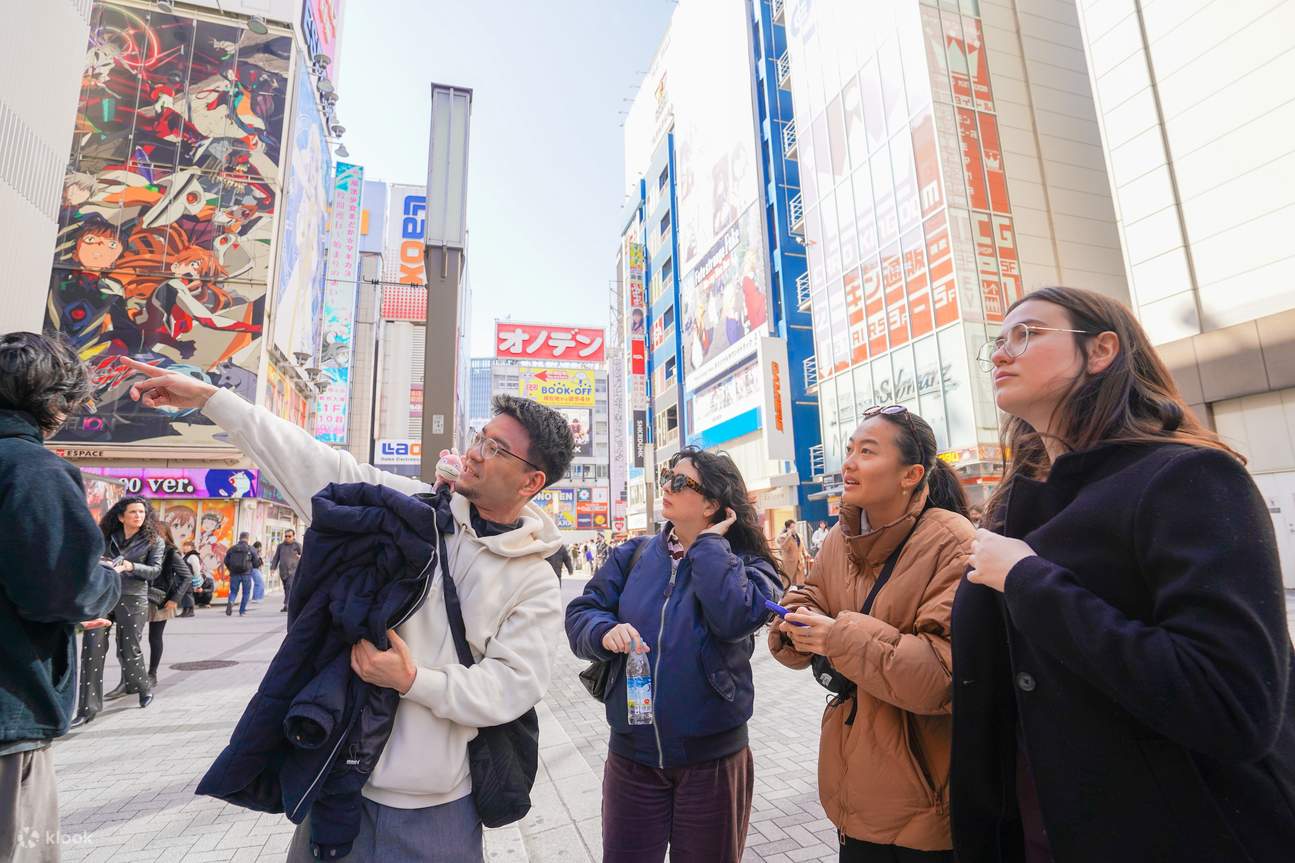
Your guide leads you south past the towering Akihabara Radio Kaikan, pausing at the ground-floor capsule toy dispensers to explain the gacha economy that funds many anime productions. You ascend to the third floor of a neighboring complex, where staff arrange new figurine releases in glass cases while collectors queue for limited drops.

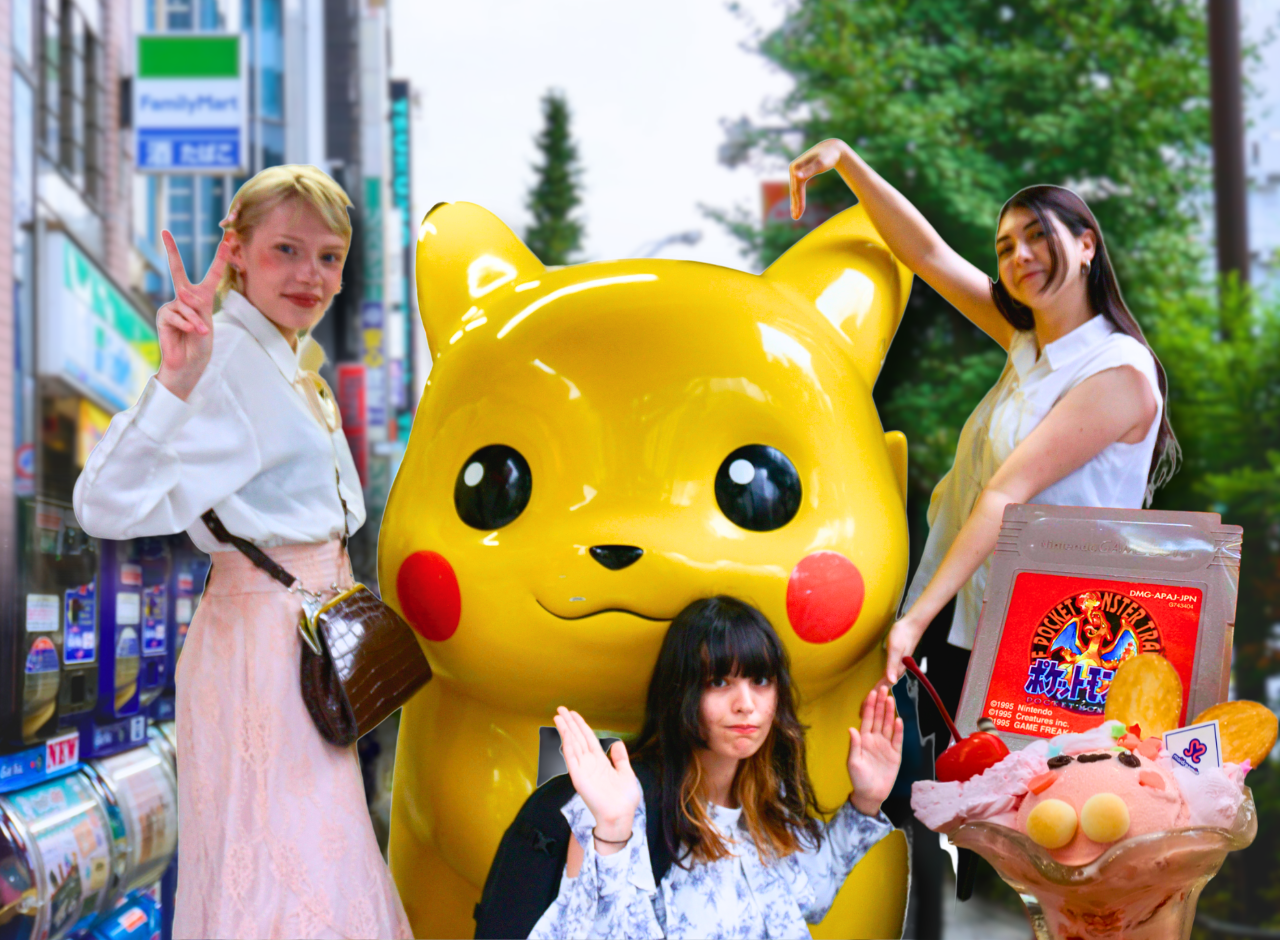
The route continues into a seven-story manga retailer, each level organized by demographic and genre. You browse the latest shonen serializations on floor two, then descend to the basement arcade where rows of rhythm games and fighting cabinets emit synthesized soundtracks. Your guide demonstrates a vintage shoot-em-up cabinet from the 1980s before moving to a nearby maid cafe, where costumed servers perform scripted welcomes in exaggerated registers. You order a themed dessert and watch the choreographed service routine unfold.

The final hour takes you through back alleys lined with secondhand shops selling vintage animation cels and out-of-print artbooks. You pause at a narrow staircase leading to a doujinshi market, where independent creators sell self-published works at folding tables. The walk concludes near Mansei Bridge, overlooking the rail lines and the neon-dense skyline that defines Akihabara's visual identity.

Tokyo Anime Walking Tour
Everything You Need to Know

Your complete Tokyo Anime Walking guide

All the details about your upcoming adventure in one place

Akihabara transformed from a post-war black market electronics quarter into the world's densest concentration of anime and manga retail by the mid-1990s, when major publishers relocated flagship stores to Sotokanda's compact grid.

The district spans roughly eight city blocks between Chuo-dori and the elevated JR tracks, housing over three hundred specialty shops that stock everything from vintage cel animation frames to limited-edition figurines released the same morning. What began as a niche collector's enclave now processes an estimated twelve million visitors annually, most arriving to navigate multistory retail complexes like Animate and Gamers that occupy former electronics showrooms.

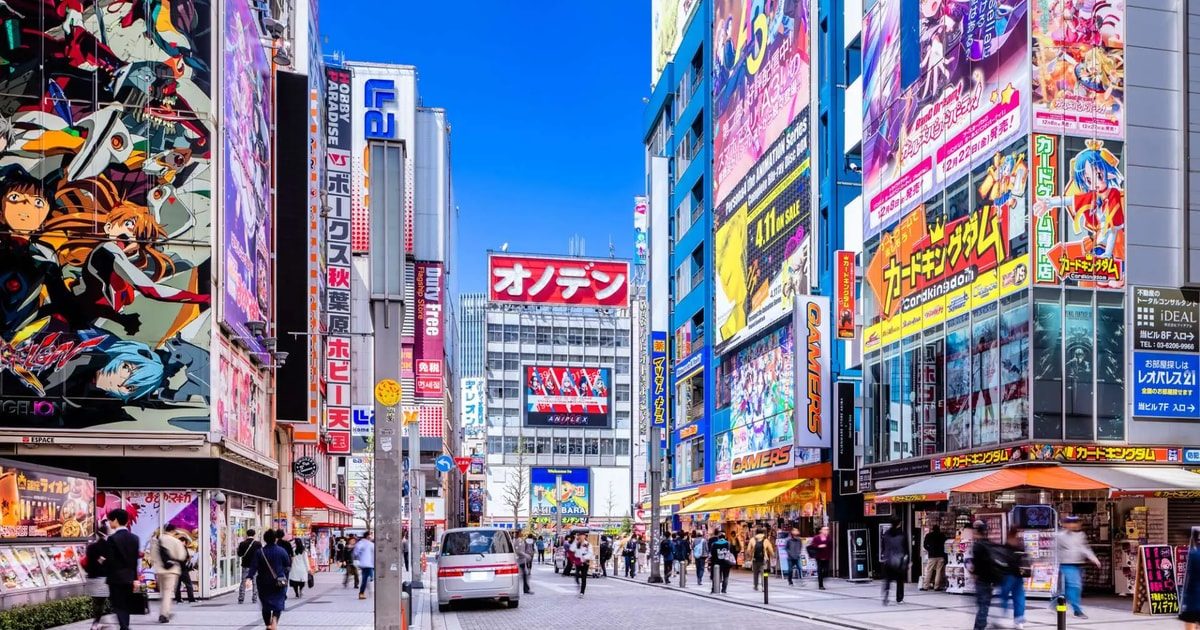
A Tokyo anime walking tour routes participants through this vertical retail landscape, where single buildings contain floor-dedicated genres: shonen manga on level two, idol merchandise on three, retro gaming cartridges in basement arcades. Guides trained in subcultural taxonomy decode the district's layered geography, pointing out the narrow staircases leading to doujinshi markets and the unmarked maid cafes operating above pachinko parlors. The physical density rewards pedestrian exploration; Akihabara's most significant shops cluster within a ten-minute radius, yet first-time visitors frequently miss entire categories of merchandise stacked behind unassuming facades.

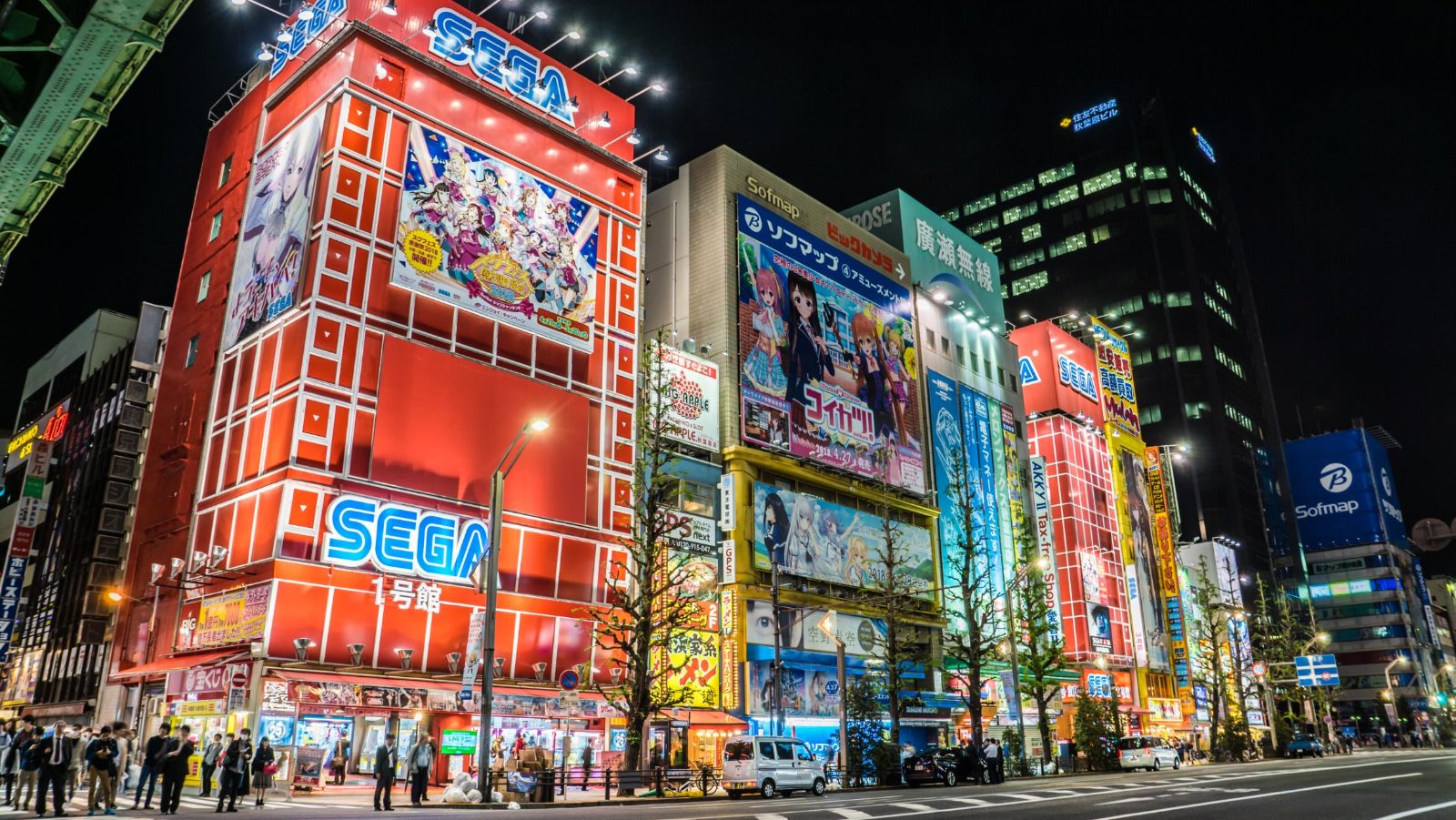
The architecture reflects Akihabara's utilitarian origins: low-slung concrete frames from the 1960s now wrapped in LED billboards advertising the latest light novel adaptations. Chuo-dori, the district's main pedestrian corridor, closes to vehicles on Sundays, transforming the asphalt into an impromptu cosplay promenade where visitors photograph performers in elaborate costume beside vending machines selling limited-run manga volumes. This collision of consumer culture and fan performance defines contemporary Akihabara, where the line between retail space and cultural exhibition remains deliberately porous. The district's commercial model—frequent product rotation, exclusive regional releases, timed collaborations with animation studios—ensures that inventory changes weekly, requiring repeat visits from serious collectors who treat the neighborhood as an evolving archive rather than a static destination.


Akihabara's most significant shops cluster within a ten-minute radius, yet first-time visitors frequently miss entire categories of merchandise stacked behind unassuming facades.

Dress code

Casual, comfortable walking shoes are recommended for a tokyo anime walking tour. No specific dress code applies to public streets.

Bags & security

Keep personal belongings secure in crowded retail areas. Large bags may be difficult to navigate in narrow shop aisles during your tokyo anime walking tour.

Photography

Always respect private property signs inside retail outlets. Photography of merchandise displays on a tokyo anime walking tour should be done discreetly.

Families & strollers

The district is generally welcoming to families. Supervised children will enjoy the visual variety of this tokyo anime walking tour.

Accessibility

Most main roads in Akihabara are flat and paved. Some older multi-story hobby shops on a tokyo anime walking tour may lack elevator access.

Food & drink

Public consumption of food while walking is discouraged in Japan. Please use designated areas or cafes visited during your tokyo anime walking tour.

Not allowed

× Tripods × Drones × Professional lighting rigs × Large suitcases × Open flames × Alcohol in public × Illegal substances × Dangerous goods

What to bring

✓ Comfortable shoes ✓ Portable charger ✓ Cash in JPY ✓ Small bag ✓ Umbrella

Opening hours

Mon 00:00–23:59
Tue 00:00–23:59
Wed 00:00–23:59
Thu 00:00–23:59
Fri 00:00–23:59
Sat 00:00–23:59
Sun 00:00–23:59

How to get there

Closures & exceptions

  • ·Jan 1 — New Year Holiday closures vary

At a glance

Opening Hours

00:00–23:59

Opening hours

00:00–23:59

Getting there

City-center access via metro and bus

Accessibility

Most experiences are wheelchair-friendly — check individual tours

What to bring

Comfortable shoes, water, phone for mobile voucher

Getting there

Public transport · 30 min from city center · Varies

Take the JR Yamanote, Keihin-Tohoku, or Sobu line to Akihabara Station.

Cancellation policy

For booked sessions, cancellations made at least 24 hours in advance receive a full refund. The district itself has an entrance fee of 0 JPY.

Plan your time

Planning Your Tokyo Anime Walking Tour Duration and Timing

Recommended time

3-4 hours

A tokyo anime walking tour allows you to navigate the dense neon-lit streets of Akihabara at a measured pace. We suggest a 3-4 hour window to explore multi-story arcades and hobby shops, as this aligns with the best arrival window of 10:00–18:00 when retail activity is at its peak. While flexible tokyo anime walking tour tours provide structure, casual explorers often find that peak crowds mid-afternoon impact navigation, making mid-morning ideal for those seeking tokyo anime walking tour tickets for specialty hobby stores.

Crowd levels through the day

09:00-11:00 Light
11:00-13:00 Moderate
13:00-16:00 Heavy
16:00-18:00 Moderate
18:00-20:00 Light
Plan ahead

Best time to visit Tokyo Anime Walking

Weather · crowds · average price — dots go green to amber to red as each metric rises.

Spring

March to May offers mild temperatures perfect for a tokyo anime walking tour. Cherry blossoms bloom nearby, making the city scenery pleasant.

Insider tips

Helpful tips for visiting Tokyo Anime Walking

Avoid peak crowds

Visit on weekdays to avoid weekend surges. This ensures a more relaxed tokyo anime walking tour experience.

Where to meet

Tokyo Anime Walking meeting points

Akihabara Station

1-17-6 Sotokanda, Chiyoda City

Electric Town Exit near the information booth

Get directions
The story

The Evolution of the Tokyo Anime Walking Tour District

Akihabara began as a wholesale fruit and vegetable market in the Meiji period, clustered around the newly opened railway station in 1890. The Great Kanto Earthquake of 1923 destroyed most wooden structures, and the district rebuilt as a black market for radio parts and vacuum tubes in the post-war years. By the 1950s, Sotokanda had become Tokyo's primary electronics wholesale center, selling transistors, resistors, and components to hobbyists rebuilding a demolished nation. The nickname "Electric Town" emerged during this decade as neon signs and loudspeakers filled the narrow streets. The 1980s personal computer boom transformed retail patterns. Stores shifted from components to assembled PCs, software, and video games. Sega and Nintendo arcades opened along Chuo-dori, drawing teenagers who had grown up with manga magazines like Shonen Jump. The first dedicated anime merchandise shops appeared in backstreet buildings, selling cels, posters, and model kits that major retailers ignored. A tokyo anime walking tour through Sotokanda in 1985 would have passed radio shops, computer stores, and a handful of specialist hobby outlets. The 1990s economic stagnation paradoxically accelerated the district's cultural shift. Declining electronics margins pushed landlords to lease space to anime retailers, maid cafes, and figure shops catering to the otaku subculture. Mandarake opened a flagship store in 1999. The 2005 opening of the Akihabara UDX complex and pedestrianization of Chuo-dori on Sundays formalized the district's identity as a pedestrian-friendly anime culture destination. By 2010, international visitors outnumbered domestic electronics shoppers, cementing Akihabara as the global reference point for manga, anime, and video game retail.

1890

Akihabara Station opens, establishing the district as a transport node for wholesale fruit and vegetable markets.

1920s–1940s

Post-earthquake reconstruction and wartime shortages create a black market for radio components and electrical parts.

1950s

The district earns the nickname "Electric Town" as legitimate electronics wholesalers replace informal vendors.

1980s

Personal computer boom shifts retail from components to assembled systems, software, and video game arcades.

1990s

Economic stagnation accelerates the replacement of electronics stores with anime, manga, and otaku-focused retailers.

1999

Mandarake opens its Akihabara flagship, consolidating the district's reputation for anime and manga merchandise.

2005

Chuo-dori pedestrianization on Sundays and the opening of UDX complex formalize Akihabara as a walking-tour destination.

2010s

International tourism surpasses domestic electronics sales, establishing Akihabara as the global center of anime subculture.

Photo spots

Top Tokyo Anime Walking Tour Photography Locations

Akihabara Radio Kaikan Facade

Akihabara Radio Kaikan Facade

Best light · Golden hour

Stand on the sidewalk across from the main entrance to capture the massive anime character banners that rotate seasonally. This location serves as an iconic start for any tokyo anime walking tour.

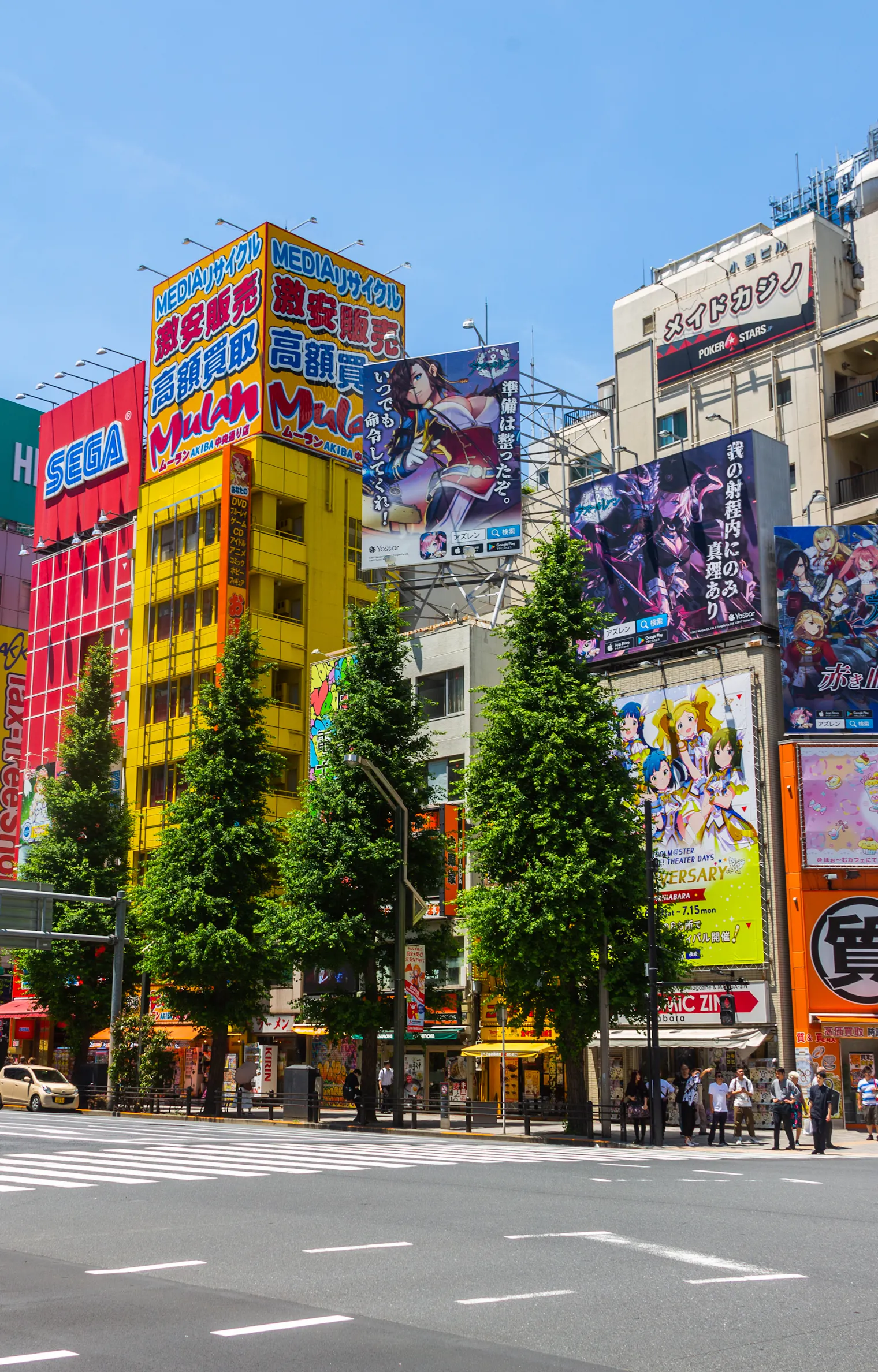
Chuo-dori Neon Intersection

Chuo-dori Neon Intersection

Best light · Evening

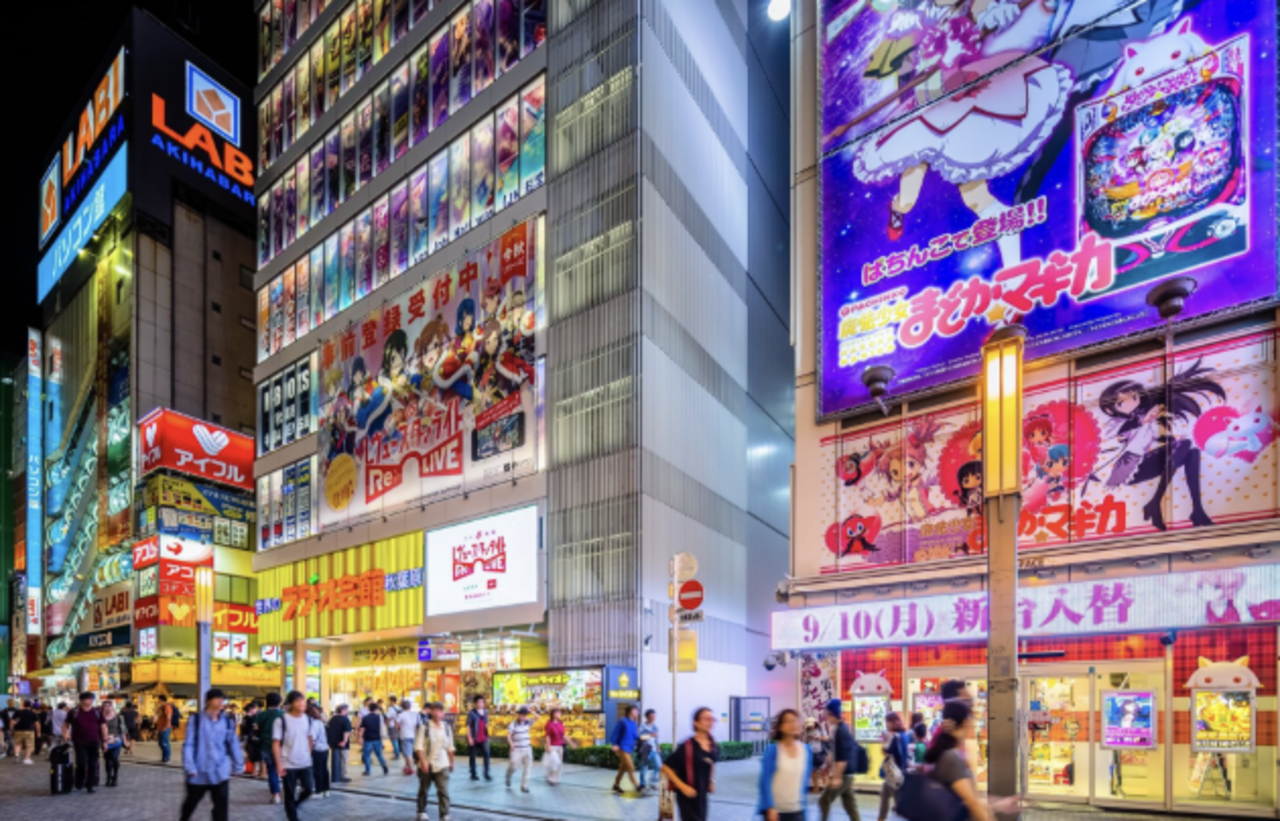
Position yourself at the crosswalk near the Don Quijote building to photograph the dense cluster of glowing electronic retail signs and vibrant advertisements. This spot highlights the urban density that defines this Akihabara landmarks tour.

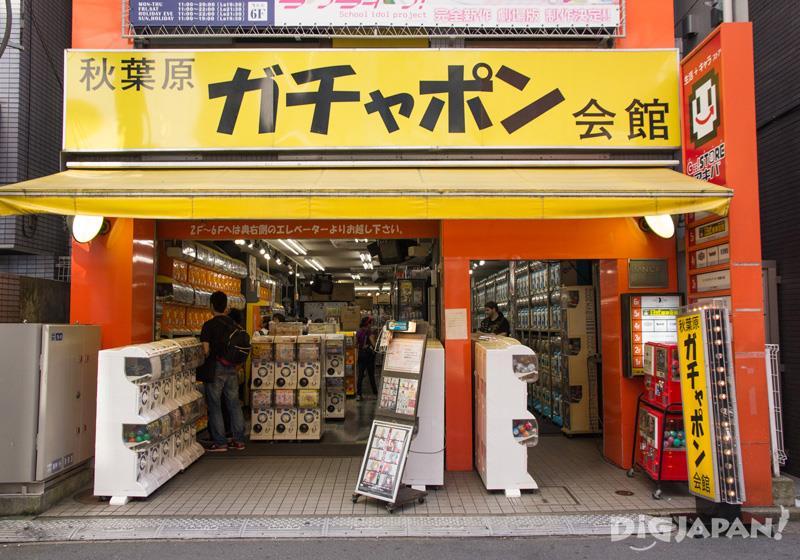
Gachapon Hall Exterior

Gachapon Hall Exterior

Best light · 10:00–12:00

Frame your shot from the pedestrian walkway facing the entrance to include the colorful capsule toy machines visible through the glass. It is a compact area, so remain mindful of foot traffic while framing your tokyo anime walking tour tours imagery.

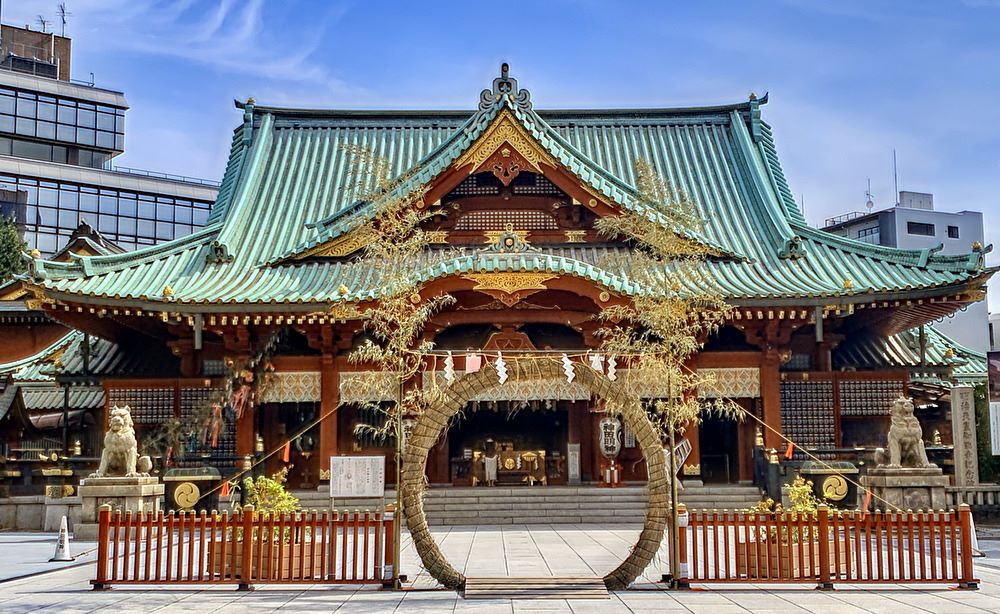
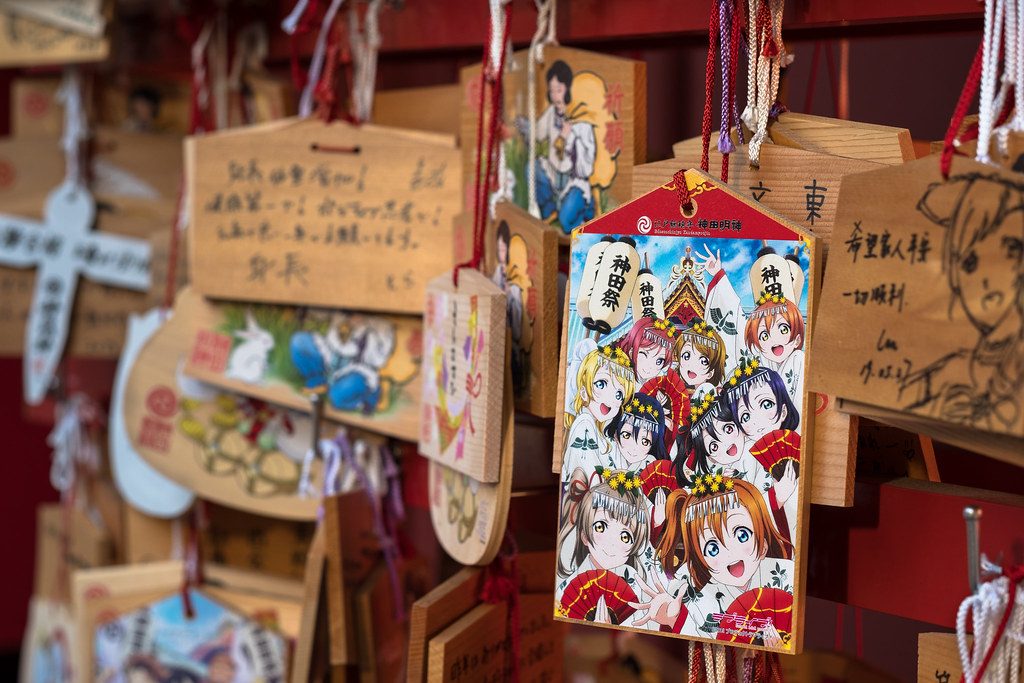
Kanda Myojin Shrine Entrance

Kanda Myojin Shrine Entrance

Best light · Early morning

Walk to the traditional torii gate where anime-themed wooden ema plaques are displayed, blending historical architecture with modern otaku culture. This contrast is a highlight for those utilizing tokyo anime walking tour tickets.

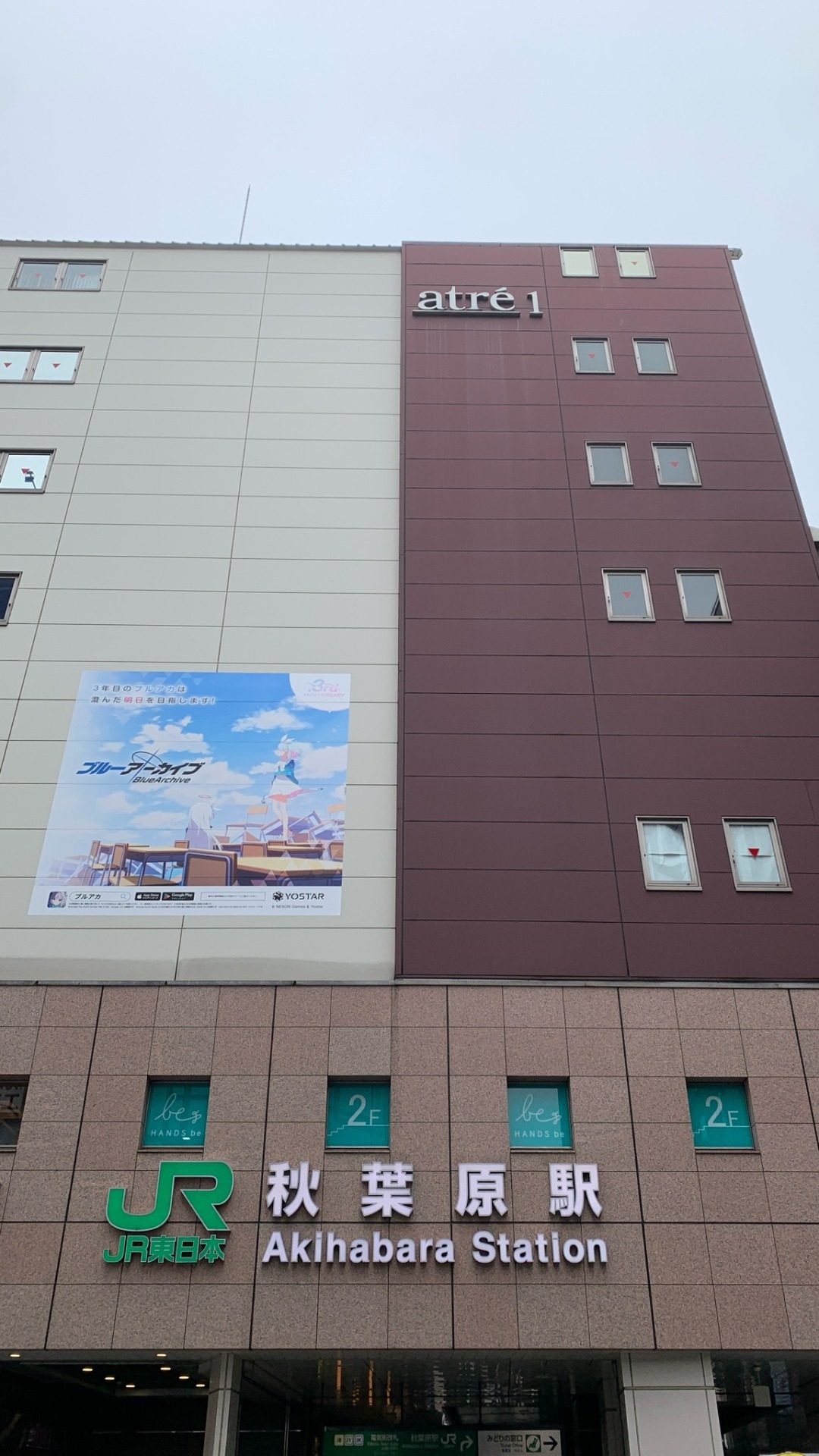
Akihabara Station Electric Town Exit

Akihabara Station Electric Town Exit

Best light · Before 09:00

Capture the wide-angle view of the bustling station plaza featuring anime promotional posters that often line the nearby walls. This is a central meeting point for almost every tokyo anime walking tour tour.

Gallery

Moments from Tokyo Anime Walking

With kids

Visiting Tokyo Anime Walking with kids

Exploring the vibrant streets of Akihabara on a tokyo anime walking tour allows families to immerse themselves in global pop culture together. This Tokyo anime walking tour offers a unique window into local creative hobbies through a pedestrian-friendly district navigation.

Strollers

Most major department stores in this area are elevator-equipped, making a tokyo anime walking tour tours experience manageable for those with strollers. Stay on wider main streets to avoid the narrow aisles of smaller specialty shops.

Facilities

Public baby-change facilities are available in major multi-story retailers and the nearby train station. Use these hubs to regroup before continuing your Akihabara landmarks exploration.

Pacing

Given the 0 JPY entrance fee to the district, you can set your own pace without pressure. We suggest the best arrival window of 10:00–18:00 to maximize access to arcades and retail outlets while ensuring children do not get overstimulated.

Best ages

School-aged children typically enjoy this tokyo anime walking tour tour the most due to the interactive nature of arcades and visual displays. Younger toddlers may find the sensory input of the district intense, so plan for frequent breaks.

Rainy-day plan

Many retail centers and arcade buildings are connected or closely grouped, allowing you to secure tokyo anime walking tour tickets for indoor-focused discovery if weather turns poor. Focus your visit on large vertical complexes to remain sheltered.

Food & drink

Dining During Your Tokyo Anime Walking Tour

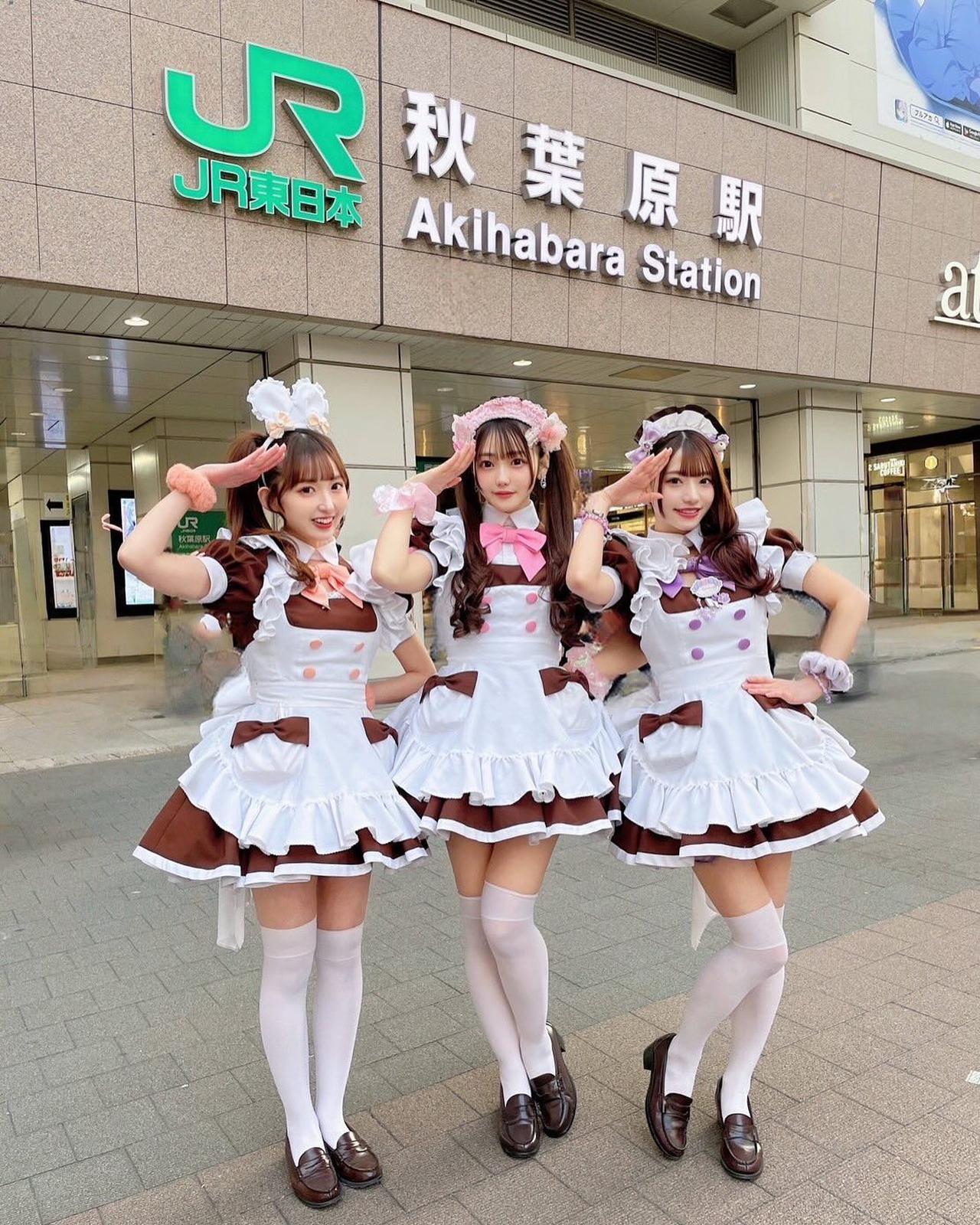
Akihabara offers a variety of themed eateries near your tokyo anime walking tour, ranging from vibrant maid cafes to traditional Japanese quick-service spots. Visitors exploring this district can find convenient snacks and immersive dining experiences just steps away from the main electronics shops.

Maidreamin Akihabara Electric Town

$$$

Maid Cafe

Experience the famous hospitality of a maid cafe with interactive shows and colorful desserts. These venues are popular for their unique atmosphere and are ideal for those booking tokyo anime walking tour tours.

Kyushu Jangara Ramen Akihabara

$$

Ramen Shop

This highly regarded ramen spot is perfect for a quick, authentic meal between browsing sessions. It remains a local favorite for anyone seeking hearty noodles during their tokyo anime walking tour tour.

Cure Maid Cafe

$$

Theme Cafe

Recognized as one of the pioneers of the maid cafe culture, this location offers a more relaxed, classic tearoom environment. It is a frequent choice for those who have secured their tokyo anime walking tour tickets and wish to rest.

FAQ

Tokyo Anime Walking — frequently asked questions

Everything you need to know for your journey

Around the corner

More to see near Tokyo Anime Walking

Kanda Myojin Shrine

10 min

landmark

A historic Shinto shrine frequently featured in modern anime series.

Where to stay

Where to stay near Tokyo Anime Walking

Akihabara Washington Hotel

3 min

mid-range

Located near the station with convenient access to shopping.

Ready for Adventure?

Join thousands of happy travelers who have discovered this incredible experience

Book Your Experience Now